

Why Portion Size is Everything
Many people reach for 'high-protein' foods but are disappointed when they feel hungry an hour later. The reason is often the serving size. A sprinkle of seeds or a small scoop of yogurt simply doesn't provide enough protein to be impactful. Research suggests
that a breakfast containing 20-30 grams of protein is effective for satiety and appetite control. Achieving this target requires a conscious effort to measure and combine ingredients. A small bowl of poha is a light breakfast, but adding a cup of sprouts and a handful of peanuts transforms it into a protein-focused meal. The following examples show how to build a substantial breakfast by paying close attention to the quantity of each component.
Paneer Bhurji: The Power Scramble
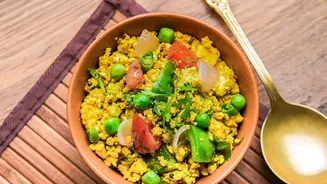
Paneer is a cornerstone of the Indian vegetarian diet for good reason. It's a complete protein, and a 100-gram serving can contain between 18 to 21 grams of protein. For a powerful breakfast, a scramble is ideal. To hit the 20-gram mark from paneer alone, you need to use at least 100 grams. A small, 50-gram portion will only provide about 9-10 grams. Sautéing 100-150 grams of crumbled paneer with onions, tomatoes, and spices creates a bhurji that delivers a substantial 18-25 grams of protein. Paired with a whole-wheat roti or toast, it becomes a complete meal that will keep you fueled for hours.
Greek Yogurt Bowl: The Creamy Powerhouse
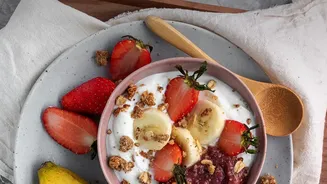
Greek yogurt, or hung curd, is a fantastic protein source due to the straining process that removes excess whey. However, a few spoonfuls won't cut it. A standard single-serve container of about 150-170g typically provides a solid 15-18 grams of protein. To make this a truly high-protein meal, start with a generous portion of at least one cup (around 200-225g), which can yield 20-25 grams of protein. From there, the additions matter. A tablespoon of chia seeds adds about 2-3 grams of protein, and a handful of almonds can add another 5-6 grams, easily pushing your total breakfast protein above 30 grams.
Besan Chilla: The Savoury Pancake Strategy
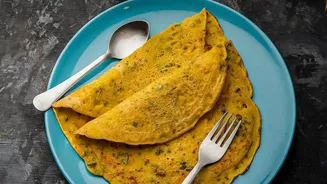
Besan chilla, or a chickpea flour pancake, is a popular and quick Indian breakfast. The protein content, however, varies dramatically based on how much flour you use. A thin chilla made from just 25 grams of besan might only have 6 grams of protein. To make it a cornerstone of your breakfast, you need to think bigger. Using 75-100 grams of besan to make two or three thicker chillas can boost the protein to 17-23 grams from the flour alone. To get even more protein, you can stuff the chillas with about 50 grams of crumbled paneer, adding another 9-10 grams of high-quality protein to your morning meal.
Tofu Scramble: The Plant-Based Champion
For a vegan and high-protein start, tofu scramble is a brilliant alternative to paneer. Like paneer, the key is using enough. A small 85-gram serving of firm tofu provides around 8 grams of protein. To build a breakfast that satisfies, you should aim for at least 150-200 grams of crumbled extra-firm tofu, which will provide approximately 16-20 grams of protein. By adding half a cup of black beans, you can contribute another 7 grams of protein, bringing the dish to an impressive 25+ grams before you even add your toast.
Moong Dal Chilla: The Lentil Advantage
Moong dal is another protein hero in Indian cuisine. Creating chillas from soaked and ground yellow moong dal offers a nutritious, egg-free option. As with besan, the quantity is crucial. To make two substantial chillas, you'll want to start with at least 50 grams of dry dal, which will yield about 11-13 grams of protein in the final pancakes. While this is a good start, it falls short of the 20-gram target. The solution is to pair it strategically. Serving the chillas with a 150-gram bowl of curd on the side can add another 7-8 grams of protein, creating a balanced and satisfying breakfast plate.