

The Rise of the ‘TikTok Brain’
The term ‘brain rot’ has become a popular way to describe the mentally drained feeling after a long session of scrolling through short-form videos. This isn't just a catchy phrase; it points to a real phenomenon. Platforms like TikTok and Instagram Reels
are engineered to deliver constant, variable rewards. Each swipe brings a potential new delight, triggering a dopamine hit in the brain similar to a slot machine. This creates a powerful feedback loop that conditions our minds to expect and crave instant gratification. Research has shown that our average attention on a single digital task has plummeted, with one study noting a drop from 2.5 minutes in 2004 to just 47 seconds by 2020. This constant context-switching trains our brains for speed and novelty, making slower, more focused activities—like watching a feature film—feel comparatively dull or even taxing.
From the Big Screen to the Second Screen
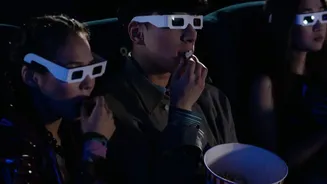
This conditioned impatience has a direct impact on our movie-watching habits. The practice of ‘second-screening’—using a phone or tablet while watching TV or a movie—has become the norm, with some surveys indicating that over 80% of Americans engage in this behavior. The moments a film slows down to build character or atmosphere become triggers for distraction. A quiet scene sends a hand reflexively to a glowing screen, and before you know it, a key plot point is missed, requiring a rewind. This fragmented attention means we’re often only half-watching, which has led streaming platforms to adapt. Matt Damon revealed that Netflix has asked filmmakers to reiterate plot points multiple times throughout a movie, assuming viewers are distracted and need reminders of what’s happening.
Is Hollywood Adapting or Surrendering?
The film industry is caught in a paradox. On one hand, there's a trend toward faster-paced editing and front-loading action to hook viewers immediately. Some producers believe they have to work harder than ever to keep viewers engaged, using techniques like cliffhangers and constant new character introductions. Yet, contrary to the idea that all content must be shorter, the biggest blockbuster films have actually gotten longer. The average runtime for the top 10 highest-grossing films grew from 120 minutes in 1993 to 143 minutes in 2023. This suggests that while our patience may be thinner in general, audiences are still willing to commit to a long-form experience if it feels like a genuine, can't-miss cultural event. The issue isn't our capacity for attention, but our selectivity with it.
A Rebellion of Slowness
While mainstream entertainment grapples with fragmented focus, a counter-movement is gaining traction. ‘Slow cinema’ is an artistic style that intentionally rejects the frenetic pace of modern media. These films feature long, unbroken takes, minimal dialogue, and an emphasis on atmosphere over plot. By refusing to cater to shortened attention spans, these filmmakers create a space for contemplation and deep focus. The growing interest in this genre, particularly on the festival circuit and niche streaming platforms, shows a clear appetite for a different kind of viewing experience. It suggests that for a portion of the audience, the antidote to digital overstimulation isn't more speed, but a deliberate and rewarding sense of patience.