



The Morning Shift to Ancient Grains
Across India's bustling metros, from Mumbai to Bengaluru, a noticeable shift is happening on the breakfast table. Once dominated by refined wheat and rice, the morning meal is seeing a powerful comeback of ancient grains. Millets, long considered a humble
staple of rural India, are now being embraced by health-conscious urbanites. Before the Green Revolution, millets constituted a significant portion of all cultivated grains, a figure that drastically dropped over the years. Today, this trend is reversing. The resurgence is driven by a growing awareness of health and wellness, with consumers actively seeking alternatives to processed foods. This isn't just about nostalgia; it's a conscious choice for better nutrition, sustainability, and a connection to culinary roots.
The Nutritional Power of Millets
So, what’s behind this millet mania? The answer lies in their impressive nutritional profile. Millets like ragi (finger millet), jowar (sorghum), and bajra (pearl millet) are gluten-free powerhouses packed with protein, dietary fibre, and essential minerals like iron, calcium, and magnesium. Unlike refined grains that can cause sugar spikes, millets have a low glycemic index, which helps in managing blood sugar levels and providing sustained energy throughout the morning. Their high fibre content aids digestion, promotes gut health, and keeps you feeling full for longer, which can help with weight management. For many, making the switch is a simple way to boost nutrient intake and support overall well-being.
Reviving Traditional Steamed Delights
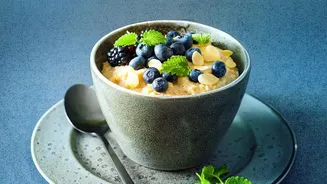
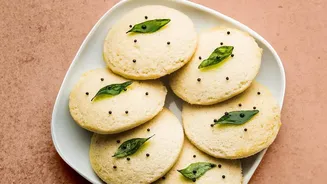
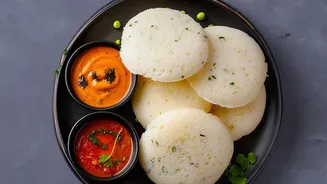
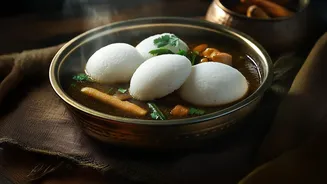
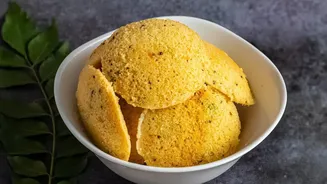
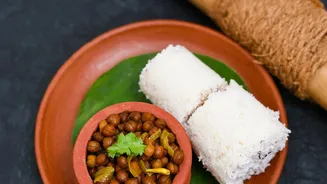
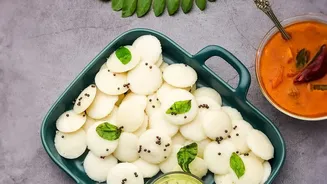
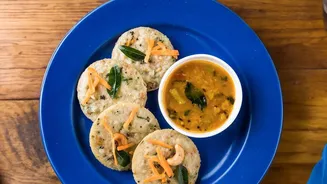
The beauty of this revolution lies in its familiarity. Instead of foreign superfoods, people are turning to traditional recipes that have been part of Indian culinary heritage for centuries. Soft, fluffy idlis are being made with ragi or foxtail millet, offering a nuttier flavour and a significant nutritional upgrade. The classic upma is being reimagined with jowar or barnyard millet, providing a wholesome and fibre-rich start to the day. In the south, you might find Kuthiravali (barnyard millet) Pongal or Varagu (Kodo millet) idlis. Steamed dishes are particularly celebrated because the cooking method preserves nutrients effectively, making these millet breakfasts both light and incredibly healthy. These recipes prove that healthy eating doesn't require abandoning taste or tradition.
Why Now? The Millet Movement's Drivers
Several factors have converged to fuel this trend. The UN's declaration of 2023 as the International Year of Millets, a proposal spearheaded by India, played a massive role in raising awareness. This government-backed push has been amplified by a post-pandemic surge in health consciousness. Consumers are more discerning, reading labels and prioritizing foods that strengthen immunity and metabolic health. Furthermore, accessibility has improved dramatically. What was once hard to find is now readily available on supermarket shelves and online. Cafes and restaurants in cities like Delhi and Mumbai are also championing the cause, featuring innovative and delicious millet dishes on their menus, from ragi momos to millet dosas, making these ancient grains trendy and accessible to a new generation.