
Rethinking the 'Earth-Like' Model
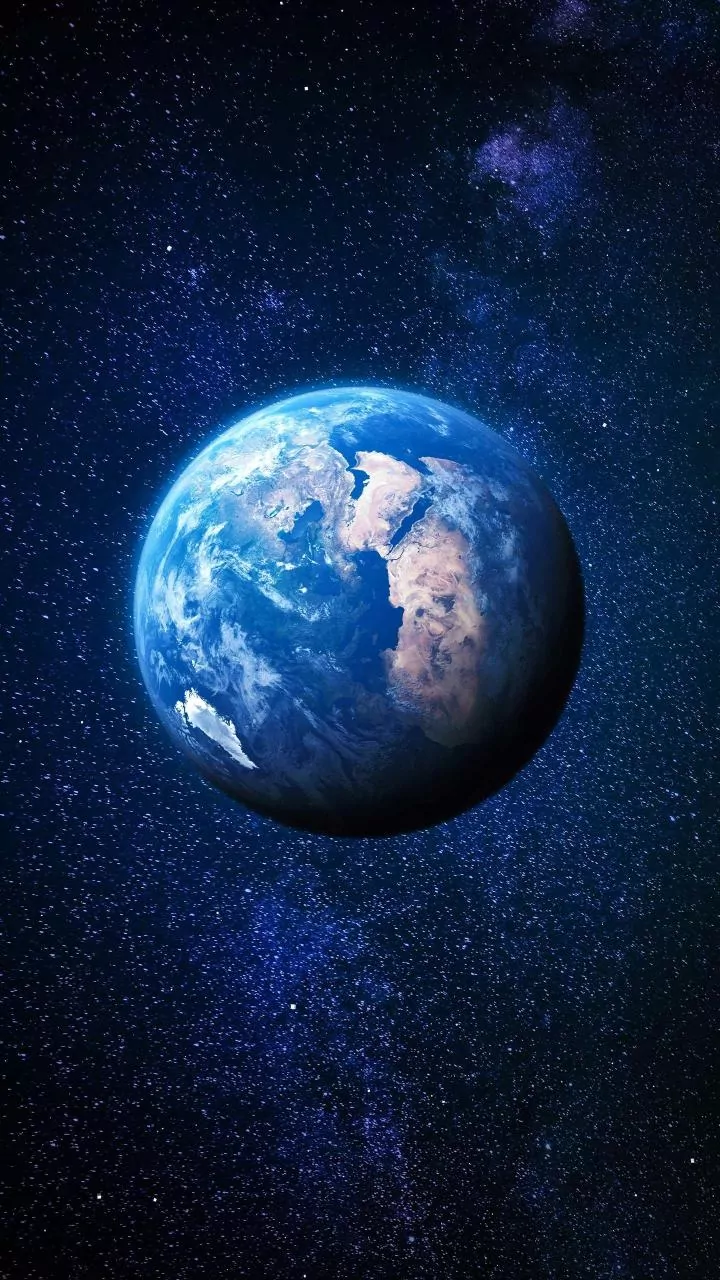
The logic behind searching for an 'Earth 2.0' has always been simple: it worked once, so it could work again. This approach, however, may be limited by our own perspective. We evolved to thrive in these specific conditions, so we naturally see them as ideal.
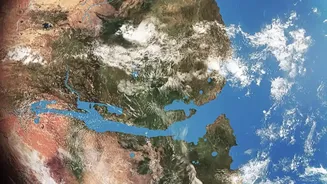
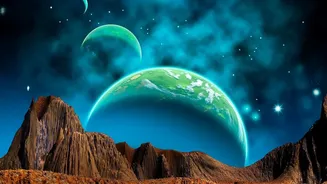
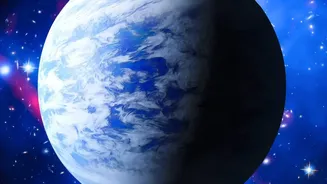
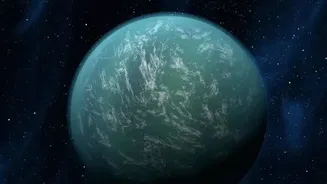
Scientists refer to this as a form of anthropocentric bias. The groundbreaking idea behind superhabitable planets is that other combinations of planetary traits could create environments even more conducive to the origin and flourishing of life. By focusing only on Earth-like worlds orbiting Sun-like stars, we might be overlooking planets that are older, bigger, warmer, and ultimately, more packed with biodiversity than our own.
The Recipe for a 'Super' Planet
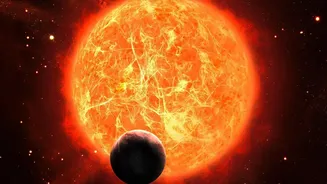
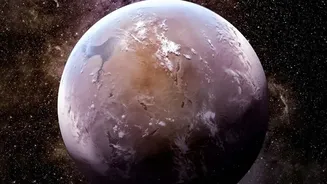
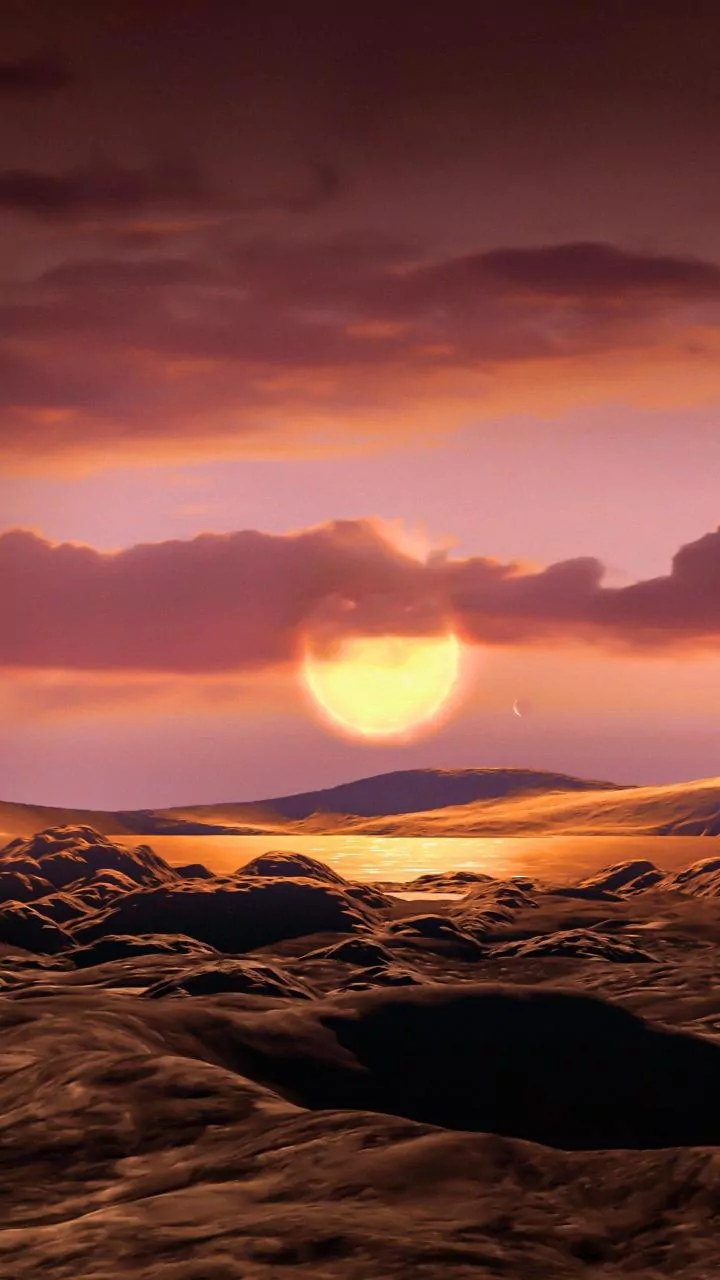
So, what makes a planet better than Earth? In 2020, a study led by scientist Dirk Schulze-Makuch detailed the key criteria. Firstly, the star matters. Instead of a Sun-like G-type star, which has a lifespan of about 10 billion years, a slightly smaller, cooler K-dwarf star is considered ideal. These stars can live for 15 to 45 billion years, giving complex life much more time to evolve. They are also less prone to violent solar flares than the smallest red dwarf stars, offering a more stable environment. The planet itself would ideally be about 1.5 times Earth's mass and about 10% larger. This extra mass helps it retain its atmosphere and a stronger magnetic field to shield against cosmic radiation. A surface temperature about 5°C warmer than Earth's, combined with higher humidity, could lead to richer, more widespread tropical regions, which on our own planet host incredible biodiversity.
Identifying Potential Candidates
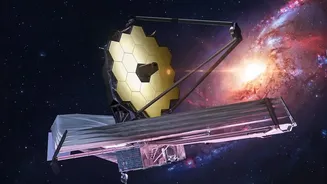
This isn't just a theoretical exercise. Using these criteria, Schulze-Makuch and his colleagues scoured the catalogue of roughly 4,500 known exoplanets to find contenders. They identified 24 top candidates that fit the 'superhabitable' profile. It is crucial to understand that these planets have not been confirmed to host life; they are simply worlds that appear to have the right conditions based on our current data. All of these potential candidates are more than 100 light-years away, making them impossible to visit. However, they represent prime targets for future, more powerful observatories. By focusing on these specific worlds, scientists can more efficiently use the valuable time of instruments like the James Webb Space Telescope to search for biosignatures — chemical fingerprints in their atmospheres that could hint at the presence of life.
A New Chapter in the Search for Life
The concept of superhabitability marks a significant paradigm shift. It moves the goalposts from simply finding a habitable world to finding the most habitable worlds. This broader perspective liberates astronomers from a geocentric checklist and encourages them to consider a wider range of planetary systems. While finding a true Earth-twin would be a monumental discovery, the possibility that life might thrive even more successfully in slightly different conditions is a tantalizing prospect. It suggests that the cosmos might be even more friendly to life than we previously imagined. The journey is just beginning, but by refining where we look, we increase the chances of one day answering the ultimate question: are we alone in the universe?