

In the quest for healthier eating, quinoa and lentils have both earned starring roles in Indian kitchens. One is a trendy superfood, the other a timeless staple. But how do they stack up in a head-to-head comparison on cost and everyday practicality?
Nutritional Showdown: Protein, Fibre, and More
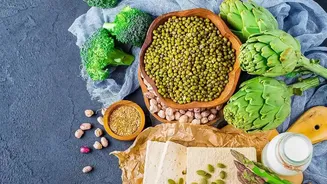
From a nutritional standpoint, both quinoa and lentils are powerhouses, but they have different strengths. Lentils, a cornerstone of the Indian diet, are incredibly rich in protein and fibre. A single cooked cup can offer around 18 grams of protein and 16 grams of fibre, making them extremely filling and great for digestive health. They are also packed with folate, iron, and potassium. Quinoa, technically a seed used like a grain, has a unique advantage: it's a 'complete protein'. This means it contains all nine essential amino acids that our bodies cannot produce on their own, a rare quality in plant-based foods. A cooked cup provides about 8 grams of protein and 5 grams of fibre. While lower in protein than lentils, it brings a significant amount of magnesium and manganese to the table.
The Cost Factor: Your Wallet's Preference
This is where the difference becomes most stark. Lentils, or dal, are one of the most affordable sources of protein available in India. Depending on the variety (like toor, masoor, or moong), prices are generally budget-friendly, often falling in the range of ₹70 to ₹120 per kilogram in retail markets. This affordability is a key reason why they are a daily staple in millions of households. Quinoa, on the other hand, is a premium product. While its price has decreased as it has become more common, it remains significantly more expensive than lentils. Retail prices for quinoa in India can range from ₹200 to over ₹400 per kilogram, though wholesale or 'mandi' prices may be lower. For families on a tight budget, lentils are the clear winner for providing daily nutrition without straining finances.
In The Kitchen: Cooking and Preparation
Practicality in the kitchen often comes down to time and effort. Most varieties of lentils require soaking for at least 30 minutes to an hour to ensure even cooking, and they typically take 20-30 minutes to cook in a pressure cooker. Quinoa, however, usually cooks faster, needing about 15-20 minutes on the stovetop. Crucially, quinoa must be rinsed thoroughly before cooking to remove its natural coating, called saponins, which can give it a bitter or soapy taste. Lentils just need a quick wash. So, while quinoa's cook time is shorter, the mandatory rinsing step adds a bit of prep. Ultimately, both are relatively quick to prepare, especially when using a pressure cooker for lentils.
Versatility and Taste
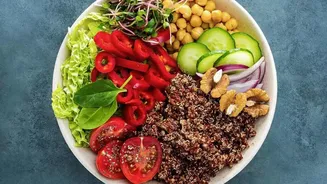
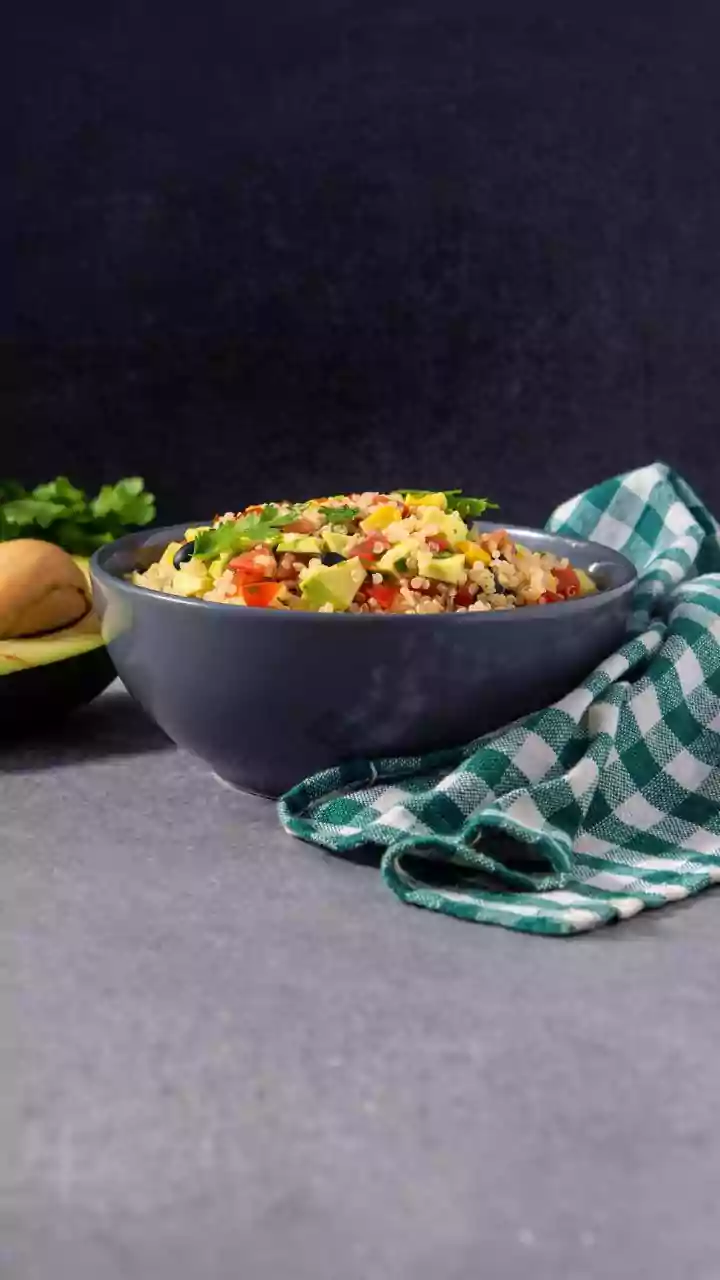
Lentils are the undisputed champion of versatility in Indian cuisine. They are the base for countless dishes, from comforting dal and hearty sambar to wholesome khichdi and crispy vadas. Their ability to break down and create a creamy, thick gravy makes them integral to our food culture. Quinoa has a milder, nuttier flavour and a fluffier, more distinct texture. It doesn't dissolve like lentils, making it an excellent substitute for rice in dishes like pulao, biryani, or upma. It's also a popular addition to salads and can be used to make patties or porridge. While it adapts well to Indian spices, it serves a different textural purpose than the creamy consistency of cooked dal.
The Verdict: Which Should You Choose?
Choosing between quinoa and lentils isn't about finding a single 'winner'. The best choice depends entirely on your personal priorities. Choose lentils if: - You are on a budget. Lentils provide incredible nutritional value for a fraction of the cost. - High protein and fibre are your main goals. Lentils are superior in both these metrics. - You want to cook traditional Indian dishes like dal or sambar. Choose quinoa if: - You are looking for a complete plant-based protein source. - You need a quick cooking, gluten free alternative to rice or other grains. - Your budget allows for a more expensive grain and you enjoy its nutty flavour and fluffy texture in salads and pilafs.