





The Hidden Trigger: A Mass Insect Emergence
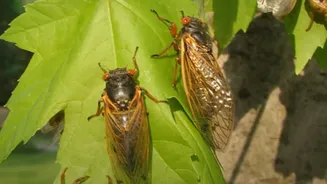
The secret behind these bird swarms lies with insects. Many insect species, particularly those that begin life in water, have a unique life cycle. They spend most of their lives as aquatic nymphs before emerging from the water all at once as winged adults
for a very brief period. This synchronised hatching, often involving millions of individuals, is a survival strategy. For species like mayflies, termites, or midges, emerging in overwhelming numbers ensures that enough of them will survive predation to mate and lay eggs for the next generation. These swarms are often triggered by specific environmental cues like temperature and rainfall, which is why they happen seasonally, such as during the monsoon.
An All-You-Can-Eat Buffet in the Sky
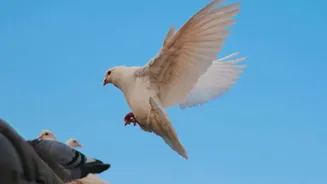
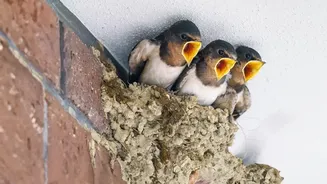
For insect-eating birds, a mass insect hatching is like an all-you-can-eat buffet. This sudden, dense cloud of food is an irresistible, high-protein energy source. Birds are highly opportunistic feeders and will gather in large numbers to take advantage of such a fleeting abundance. The behaviour isn't just about getting an easy meal; for many birds, this protein boost is crucial for raising their young or fuelling long migrations. Birds like swallows, swifts, and martins, which are aerial insectivores, are perfectly adapted to catching insects on the wing and can be seen diving and swooping through the swarms.
The Key Players of the Urban Ecosystem
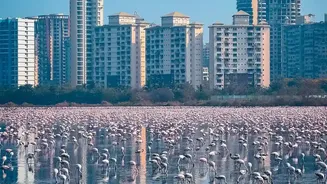
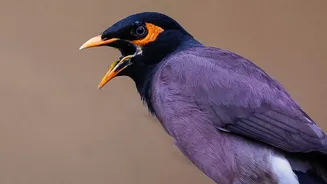
In many Indian cities, a common cause for these feeding frenzies is the emergence of winged termites, especially around the start of the rainy season. These swarms attract a wide variety of birds. You might see everything from common mynas and crows to more specialised insect-eaters. Swallows are frequent participants, along with swifts that have adapted to nesting in urban structures like chimneys. Even birds not typically known for eating insects in flight might join in, picking them off the ground. This event brings together a diverse cast of avian characters for a short lived but intense drama.
Why Cities Are Prime Hunting Grounds
Urban environments can inadvertently concentrate these insect swarms, making them even more attractive to birds. Artificial lights at night are a major factor. Many emerging insects are phototactic, meaning they are drawn to light. Streetlights, illuminated buildings, and other light sources can act like beacons, pulling insects from surrounding areas into a dense cloud. This makes hunting incredibly efficient for birds. They don't have to search far and wide; the city lights gather their prey for them. While this benefits the birds in the short term, this light pollution can be a deadly trap for the insects, who may perish from exhaustion or increased predation.
A Sign of a Connected Ecosystem
While a swarm of insects might seem like a nuisance, its appearance, and the subsequent gathering of birds, is often a sign of a relatively healthy local ecosystem. It indicates that nearby water bodies or green spaces are healthy enough to support the larval stages of these insects. These insects form a vital link in the food chain, transferring energy from aquatic and terrestrial environments to predators like birds, bats, and spiders. However, climate change is beginning to disrupt these ancient rhythms, with warming temperatures causing insects to emerge earlier, potentially creating a mismatch with the migration and breeding schedules of the birds that depend on them.