



The Philosophy of Purity
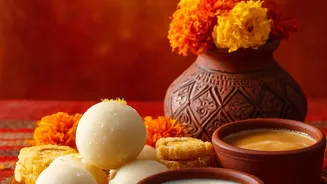
At the heart of 'vrat' or 'upvas' (fasting) in Hinduism is the concept of consuming 'sattvic' foods. Derived from the word 'sattva', it means foods that are pure, natural, and life-giving. The goal of fasting is not just to abstain but to purify the body
and mind, making it easier to achieve spiritual focus. Vrat food is designed to be light on the digestive system, giving it a much-needed rest. This is why heavy, processed foods, as well as those considered 'rajasic' (stimulating) or 'tamasic' (dulling), like onion and garlic, are avoided. Fasting often coincides with seasonal changes, when immunity can be lower, and a sattvic diet is believed to help cleanse the body and prevent illness.
The Rise of 'Pseudo-Grains'
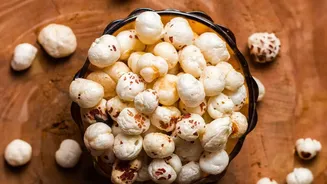
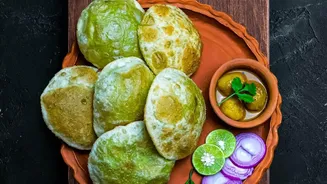
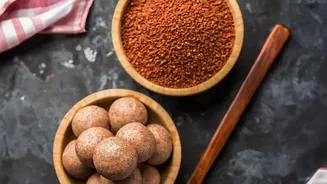
A key rule in many fasts is the avoidance of common grains like wheat and rice, as they are considered heavy and can slow down digestion. This rule gives rise to the stars of the vrat pantry: the pseudo-grains. Ingredients like Kuttu ka Atta (buckwheat flour), Singhare ka Atta (water chestnut flour), and Rajgira (amaranth flour) are permitted because they are not true cereal grains. Buckwheat, for instance, is technically the seed of a flowering plant. These flours are typically gluten-free, rich in nutrients like protein and fibre, and provide sustained energy, making them ideal for fasting. They are used to make puris, rotis, and cheelas that fill the space left by regular bread.
Sabudana: The Energy Pearl
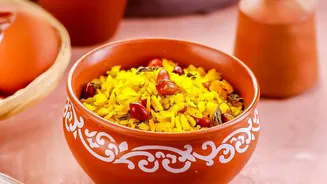
Sabudana, or tapioca pearls, are a fasting staple, yet they are not a grain. Extracted from the starch of the cassava root, sabudana is almost pure carbohydrate, providing a quick and effective source of energy during long fasting hours. Its light, easy-to-digest nature makes it a perfect food when the digestive system is meant to be at rest. Its versatility is another reason for its popularity; it can be made into savoury khichdi and vadas or sweet kheer, absorbing the flavours of other permitted ingredients like peanuts, potatoes, and mild spices.
Samak Ke Chawal: The Fasting 'Rice'
For those who miss rice during a fast, Samak ke Chawal (barnyard millet) is the go-to substitute. Despite its name, it is not a type of rice but a tiny, round millet. It cooks quickly, is light on the stomach, and provides nourishment without being heavy. It's often used to make a simple khichdi, pulao, or even a creamy kheer, mimicking the texture and comfort of rice-based dishes while adhering to fasting rules.
Rock Salt vs. Table Salt
One of the most specific rules of vrat cooking is the exclusive use of Sendha Namak, or rock salt, instead of regular table salt. This is because rock salt is considered the purest form of salt, as it is unprocessed and free from the chemical additives often found in commercial table salt. From an Ayurvedic perspective, sendha namak is cooling and lighter on the body, unlike regular salt which can be heating. It also helps in maintaining the body's electrolyte balance, which is crucial when food intake is restricted.
The Role of Dairy, Fruits, and Vegetables
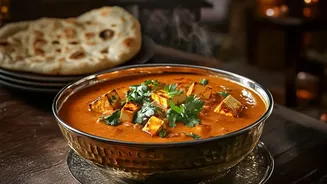
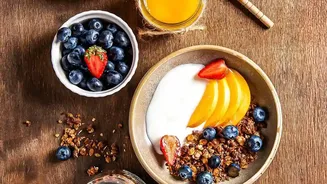
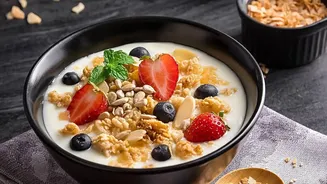
Fruits and dairy products are central to vrat diets. All fresh fruits are allowed and provide essential vitamins and natural sugars for energy. Milk, yogurt, and paneer are also considered sattvic and provide protein and calcium, making meals more wholesome. However, the list of permitted vegetables is more limited. Root vegetables are often avoided, but potatoes, sweet potatoes, pumpkin, and tomatoes are widely used because they are filling and easy to digest. These ingredients ensure that even with restrictions, a fasting meal can be balanced and nutritious.