




Why Light Meals Matter in the Monsoon
According to both traditional wisdom like Ayurveda and modern nutrition, the rainy season can dampen our digestive fire, or 'agni'. The increased humidity and reduced sunlight are believed to slow down our metabolism, making it harder to digest heavy,
oily, and complex foods. This can lead to bloating, gas, and a general feeling of lethargy. Opting for lighter, easily digestible meals helps support your gut, ensuring you feel energetic and comfortable. Moong dal is celebrated in Ayurveda for its 'laghu' (light) property, making it an ideal food to keep your digestive system happy during this time.
The Nutritional Power of Moong Dal
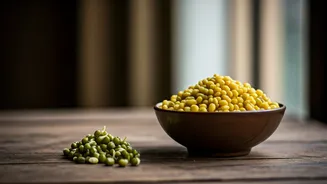
Don't let its lightness fool you; moong dal is a nutritional giant. It is one of the best plant-based sources of protein, crucial for muscle repair, immunity, and sustained energy. A 100-gram serving of raw moong dal contains approximately 24 grams of protein. Once cooked, this translates to about 7-9 grams per 100-gram serving, as it absorbs water. Furthermore, it is rich in dietary fibre, which aids digestion and promotes a feeling of fullness, helping to prevent overeating. It's also packed with essential nutrients like potassium, magnesium, folate, and B vitamins, contributing to overall health and well-being.
Nature's Perfect Digestive Aid
What truly sets moong dal apart is its exceptional digestibility. Compared to other legumes, it has a lower content of the complex carbohydrates that can cause gas and bloating. The yellow split version (dhuli moong), in particular, is stripped of its outer skin, making it even gentler on the stomach. Ayurveda prizes it as 'tridoshic', meaning it balances all three doshas (Vata, Pitta, and Kapha), making it suitable for almost everyone. Its soluble fibre content, including pectin, helps regulate bowel movements, while resistant starch nourishes beneficial gut bacteria, promoting a healthy digestive system.
Easy Moong Dal Afternoon Delights
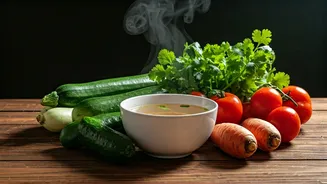
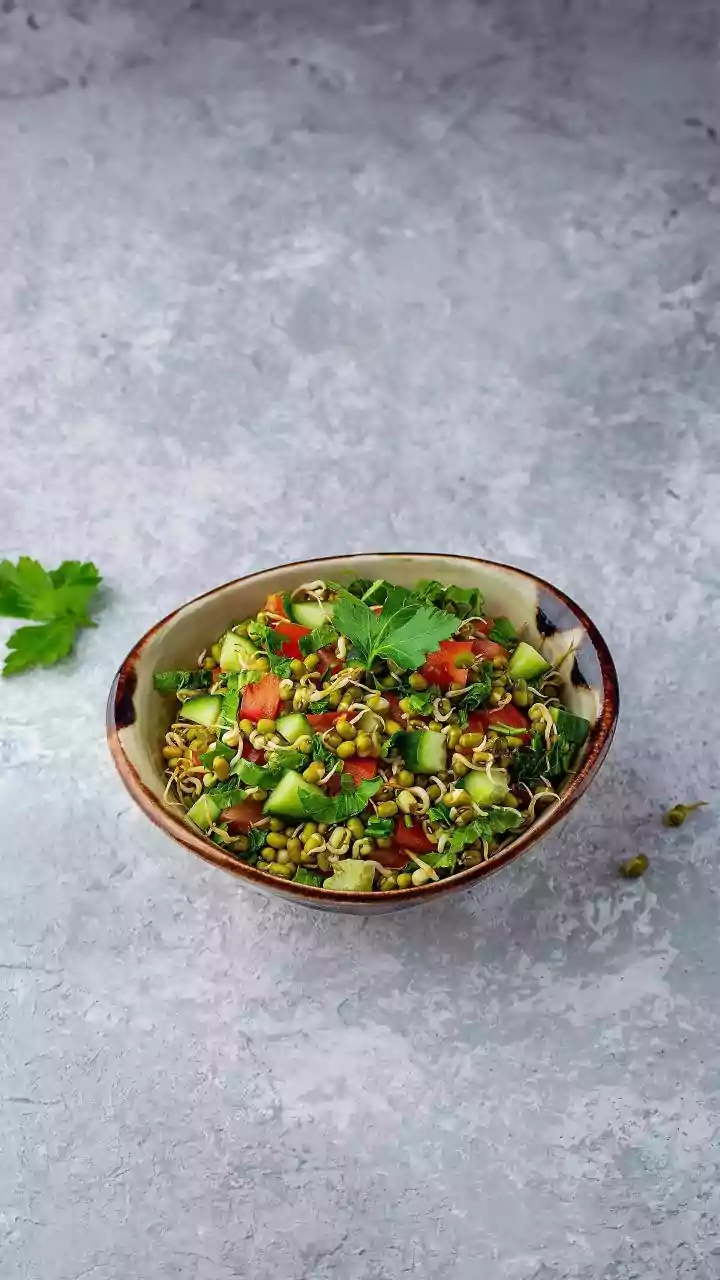
Incorporating moong into your monsoon afternoons can be both simple and delicious. Instead of reaching for fried snacks, try these light and energising options: * **Moong Dal Cheela:** These savoury pancakes are a North Indian favourite. Simply soak yellow moong dal for a few hours, grind it into a smooth batter with ginger and green chillies, add spices like turmeric and cumin, and pan-fry with minimal oil. You can add finely chopped vegetables like carrots and onions for extra nutrients. * **Simple Moong Dal Soup:** A warm bowl of moong dal soup is deeply comforting and healing. Pressure cook soaked yellow moong dal with turmeric and salt until soft. For a final touch, prepare a 'tadka' by heating ghee and sputtering cumin seeds and a pinch of asafoetida (hing), then pour it over the soup. A squeeze of lemon at the end brightens the flavour. * **Steamed Moong Dal Dhokla:** A healthier, steamed alternative to fried snacks. A batter made from soaked and ground moong dal is fermented and then steamed to create light, spongy cakes. It’s a guilt-free indulgence that’s easy on the stomach.