


Essential Monsoon Prep
Before you start adding new plants, a little preparation goes a long way. The biggest challenge during monsoon is not a lack of water, but too much of it. Ensure every pot has drainage holes at the bottom to prevent waterlogging, which can lead to root
rot. If possible, elevate your pots on bricks or a small stand to allow excess water to escape freely. It's also a wise idea to prune existing plants, removing any dead or weak branches to encourage fresh, healthy growth during this lush season.
Watering and Sunlight Smarts
It might seem counterintuitive, but you still need to monitor your plants' water needs. If your balcony is covered, the rain won't reach your pots, and the high humidity can be misleading. Check the top inch of the soil; if it feels dry, it's time to water. For plants exposed to the rain, you can skip watering on most days. Also, note the shifting sunlight. The cloudy skies mean less intense sun, which many flowering plants appreciate. However, they still need several hours of bright, indirect light to produce blooms. Observe how the light hits your balcony and position your plants accordingly.
Balsam (Gulmehendi)
A quintessential monsoon flower, Balsam is incredibly easy to grow and rewards you with a profusion of blooms in shades of pink, red, white, and purple. These plants love the high humidity of the rainy season and grow quickly, often going from seed to flower in just a couple of months. They thrive in pots and don't require direct, harsh sunlight, making them perfect for balconies that get partial sun. Their delicate, almost rose-like flowers bring a cheerful and traditional touch to any green space.
Periwinkle (Vinca)
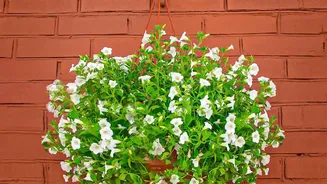
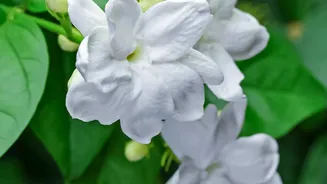
If you're looking for a hardy, low-maintenance plant that flowers prolifically, look no further than the Periwinkle, or Vinca. Available in lovely shades of white, pink, and mauve, this plant is remarkably resilient. It tolerates both sunny spells and overcast days, making it a reliable choice for the unpredictable monsoon weather. Vincas are not fussy about soil and can handle a bit of neglect, continuing to produce their star-shaped flowers throughout the season, adding a constant splash of colour to your balcony.
Zinnia
For a burst of bold, vibrant colour, Zinnias are an unbeatable choice. These cheerful flowers come in almost every colour imaginable and are known to attract butterflies, adding more life to your balcony. Zinnias grow well from seeds sown at the beginning of the monsoon. They love a good amount of light, so a spot that gets a few hours of sun even on cloudy days is ideal. They are sturdy plants that hold up well in the rain, and their continuous blooming will keep your balcony looking bright and beautiful until the season ends.
Rain Lily
As the name suggests, these plants have a magical connection to the rain. Rain Lilies often surprise you by bursting into bloom right after a shower. These small, bulbous plants produce delicate, star-shaped flowers in shades of pink, white, and yellow. They are incredibly low-maintenance and perfect for tucking into small pots or along the edges of larger planters. Their sudden and beautiful appearance after a downpour is one of the simple joys of monsoon gardening.
Marigold (Genda)
A staple in Indian households, the Marigold is a reliable and easy-to-grow flower that performs well during the monsoon. Its bright orange and yellow pom-pom-like flowers are a welcome sight on grey days. Marigolds are quite hardy and can handle the monsoon showers. They grow quickly and flower continuously, especially if you remove the old, spent blooms. Beyond their beauty, marigolds are also known to naturally repel some common garden pests, making them a useful companion for your other plants.