





The Anatomy of a Flash Flood
Unlike river floods that may build over days, a flash flood is defined by its speed. It is a rapid flooding of low-lying areas that typically begins within three to six hours of its cause. This cause is most often excessively heavy rainfall from a slow-moving
thunderstorm or a tropical storm, but can also be the result of a dam or levee failure. The defining characteristic is the short time between the event and the onset of flooding, which leaves little time for warning and reaction. This speed is what makes them so unpredictable and dangerous, capable of turning a dry creek bed or an urban street into a destructive, fast-moving river in moments.
Ingredient 1: Intense Rainfall
The single most important ingredient for most flash floods is rainfall intensity—the rate at which rain falls. A large amount of rain over a full day might lead to gradual flooding, but a massive downpour concentrated over a very short period overwhelms the land's ability to absorb it. When a thunderstorm stalls or when multiple storms move over the same area repeatedly, they can dump an extraordinary volume of water onto a localised region. This creates a huge amount of runoff that has nowhere to go but downhill, gathering speed and volume as it moves.
Ingredient 2: The Role of Terrain
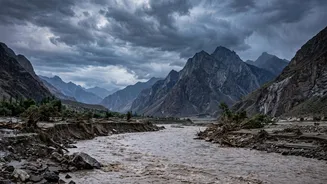
Where that intense rain falls matters immensely. Topography plays a critical role in whether a flash flood occurs. Steep slopes, like those in hilly or mountainous regions, cause water to run off much more rapidly, accelerating its journey into valleys and low-lying areas. Canyons and narrow valleys act like funnels, concentrating the water into a powerful, destructive torrent. The type of ground is also a factor. Rocky terrain or soil that is hard and dry, perhaps from a drought, cannot absorb water quickly, leading to more surface runoff. Conversely, if the ground is already saturated from previous rains, it also loses its ability to soak up any more water, with similar results.
The Urban Multiplier Effect
In modern cities and suburbs, the risk of flash floods is magnified. Urbanization replaces absorbent natural landscapes like forests and fields with impervious surfaces like concrete, asphalt, and rooftops. These surfaces prevent rainwater from soaking into the ground, forcing it directly into drainage systems. Studies have shown that urbanization can increase runoff by two to six times compared to natural terrain. During a heavy downpour, stormwater systems can be quickly overwhelmed, causing streets to become swift-moving rivers and underpasses to fill with water, turning everyday infrastructure into dangerous traps.
Why They Are Uniquely Dangerous
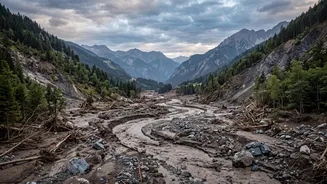
The danger of a flash flood lies in the combination of speed and power. The rapidly rising water can reach heights of 30 feet or more and is often filled with debris like rocks, trees, and other debris, increasing its destructive force. This powerful current can roll boulders, tear out trees, and destroy buildings and bridges. Because they occur with such little warning, people are often caught off guard, whether in their homes or vehicles. A seemingly clear day can turn deadly if a storm has occurred miles upstream, sending a wall of water rushing down a normally dry channel or arroyo. This unpredictability is why flash floods are considered one of the most life-threatening weather-related hazards.