







The 'Good' Damage of a Workout
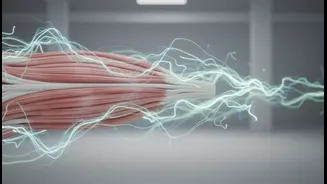
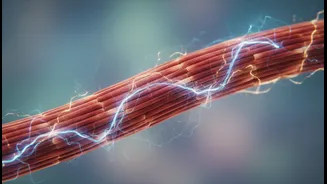
When you perform resistance training, you're not instantly building muscle. Instead, you're creating microscopic tears in your muscle fibres. This sounds bad, but it's a necessary stress that signals your body to start the repair process. This response,
which includes inflammation, is what kicks off the cycle of rebuilding and adaptation. The process of repairing these micro-tears and adding new muscle proteins is known as muscle protein synthesis. It is this healing and reinforcement that ultimately makes your muscles stronger and more resilient for your next workout. Without this cycle of damage and repair, there is no progress.
Your Ultimate Repair Tool: Sleep
If there's one non-negotiable recovery tool, it's sleep. While you rest, your body is hard at work. During the deep stages of sleep, your pituitary gland releases a significant amount of human growth hormone (hGH), which is vital for tissue repair and muscle growth. Less sleep means less hGH, which can lead to reduced muscle mass and exercise capacity. Sleep is also when your body replenishes its muscle fuel source, glycogen, which gets used up during exercise. Furthermore, adequate rest helps regulate hormones like testosterone, which aids muscle synthesis, and keeps the stress hormone cortisol in check. Chronic sleep deprivation can increase cortisol, which can break down muscle tissue, directly working against your fitness goals.
Eat to Rebuild and Refuel
Your post-workout meal is more than just a satisfying bite; it's a crucial part of your recovery strategy. To repair the micro-tears in your muscles, your body needs amino acids, which are the building blocks of protein. Consuming adequate protein from sources like eggs, chicken, fish, paneer, or dals provides the raw materials necessary for muscle protein synthesis to occur, allowing your muscles to heal and grow. But protein doesn't work alone. Carbohydrates are just as important. They are responsible for replenishing the glycogen stores you depleted during your workout, refueling your energy for the next session. A combination of protein and carbs post-exercise is a powerful one-two punch for effective recovery.
Slowing Down to Speed Up
Recovery doesn't always mean lying on the sofa. There are two main types: passive and active. Passive recovery is complete rest, which is necessary when you are injured, exhausted, or in significant pain. However, on other days, active recovery might be more beneficial. Active recovery involves low-intensity movement like walking, gentle cycling, or yoga. This light activity helps stimulate blood flow, which can aid in clearing metabolic byproducts from your muscles and reduce soreness and stiffness. Studies have shown that active recovery can be more effective at reducing delayed onset muscle soreness (DOMS) than doing nothing at all. Think of it as a gentle nudge to your body's cleanup crew, helping you feel better faster.
Don't Let Stress Stall Your Gains
Mental and emotional stress can have a surprisingly physical impact, hindering your ability to recover from exercise. When you're chronically stressed, your body produces higher levels of the hormone cortisol. While cortisol is useful in short bursts, sustained high levels can interfere with your body's ability to repair tissue. It can impair protein synthesis, making it harder for your muscles to rebuild after a workout, and may even lead to muscle breakdown. Research has shown that individuals with higher levels of life stress experience poorer muscle function recovery and report more soreness after a strenuous workout. Managing stress through mindfulness, hobbies, or adequate rest is not just good for your mind; it's essential for your physical progress.