



In its next major push for cleaner air, the Centre has proposed a significant overhaul of vehicle emission standards with the introduction of Bharat Stage VII (BS-VII) norms. This move signals a more comprehensive approach to tackling pollution.
What Are the Proposed BS-VII Norms?
The Ministry
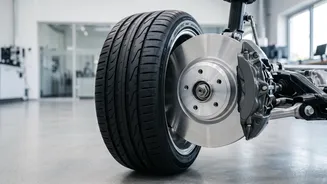
of Road Transport and Highways has released draft notifications for the next generation of emission standards, known as BS-VII. This proposal comes after India leapfrogged from BS-IV to BS-VI in April 2020 to accelerate its fight against vehicular pollution. Unlike previous updates that focused almost exclusively on exhaust emissions, BS-VII aims to regulate pollution from a wider range of sources. The new rules address particulate matter from brake and tyre wear for the first time, a significant step as these particles are released by all vehicles, including electric ones. The proposal also includes standards for the durability of batteries in electric and hybrid vehicles, ensuring they retain a certain percentage of their capacity over time.
Understanding the Phased Rollout
The government has planned a gradual, multi-year implementation to give manufacturers time to adapt. The rollout is structured in phases based on vehicle category. Phase 1 is set to begin on April 1, 2029, and will apply to all newly manufactured passenger vehicles (M1 category), such as cars and SUVs. The next phase targets light commercial vehicles (N1 category) from April 2030. Finally, heavy commercial vehicles like buses and trucks will need to comply with the new norms starting from April 2031. Further tightening of rules, including for non-exhaust emissions, is planned in subsequent stages extending to 2035. A separate timeline for two-wheelers is expected to be announced later.
Beyond the Tailpipe: What's New?
The most significant change in the BS-VII proposal is its holistic approach. For internal combustion engines, while some key exhaust pollutant limits for passenger cars remain similar to BS-VI, the monitoring and testing protocols will become far more stringent. The new rules mandate advanced on-board monitoring (OBM) systems to track a vehicle's emissions in real-time throughout its life, not just during initial lab tests. They also focus on smaller, more harmful ultrafine particles by lowering the measurement threshold from 23 nanometres to 10 nanometres. Furthermore, the regulations introduce Real Driving Emissions (RDE) tests using portable systems to ensure cars meet standards under actual road conditions. An 'Environmental Vehicle Passport' is also proposed, giving consumers clear information on a vehicle's emissions and energy efficiency.
Impact on Automakers and Consumers
The transition to BS-VII will require significant technological upgrades and investment from automobile manufacturers. Unlike the BS-VI shift, this change will not necessitate new fuel from refineries; the onus falls on automakers to adapt their vehicle hardware and software. Industry bodies like the Society of Indian Automobile Manufacturers (SIAM) have already raised concerns about the proposed timeline, suggesting a later start date to manage the complex engineering and testing requirements. For consumers, these stricter regulations will likely lead to an increase in the cost of new vehicles due to the advanced technology required for compliance. However, existing vehicles, including BS-VI models, will not be affected by the new rules or have their lifespan shortened.