





What's Behind the Price Hike?
Tata Motors has confirmed that prices across its entire passenger vehicle lineup will go up starting September 1, 2026. In a statement, the company explained that the decision is a response to the persistent rise in input costs and ongoing inflationary
pressures. Essentially, the raw materials used to build cars—from steel and aluminium to other essential components—have become more expensive. While Tata Motors stated that it is absorbing a significant portion of these increased costs, it is passing a part of the financial impact on to customers to maintain business viability. This isn't a surprise move; the automotive industry has been grappling with these economic challenges for a while.
How Much More Will You Pay?
The company has announced a price increase of up to ₹25,000. However, it's crucial to understand that this is not a flat increase for every car. The hike will vary depending on the specific model and variant you choose. For instance, an entry-level variant of a hatchback might see a smaller price adjustment, while a top-end SUV could see a more substantial increase closer to the ₹25,000 mark. Tata Motors has structured the hike to ensure that the overall value proposition of each car is maintained, meaning the price change will be proportional to the vehicle's segment and features. The exact, variant-wise price list will likely be shared by dealerships closer to the September 1 effective date.
Which Cars Are Getting Costlier?
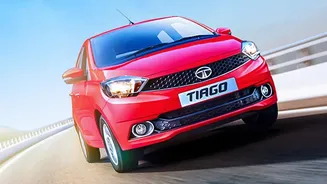
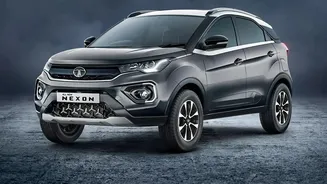
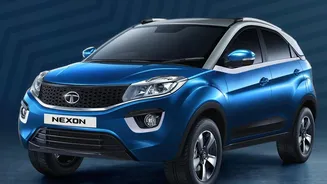
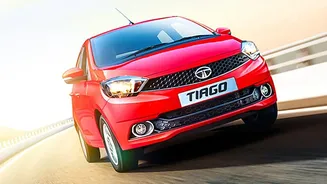
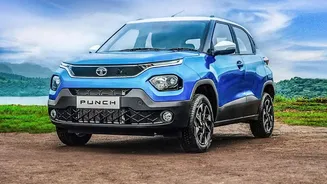
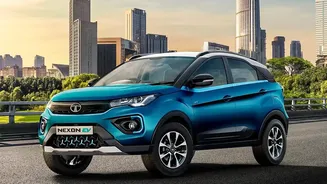
The price revision is comprehensive and applies to the entire portfolio of Tata's passenger vehicles. This includes all internal combustion engine (ICE) models—petrol, diesel, and CNG—as well as the company’s popular and growing range of electric vehicles (EVs). So, whether you are considering the popular Punch, the stylish Altroz, the dominant Nexon, or the flagship Harrier and Safari SUVs, you can expect to see a revised price tag from September. The hike also extends to the electric versions of these models, including the Tiago EV, Punch EV, and Nexon EV.
A Wider Industry Trend
Tata Motors is not alone in making this move. In fact, this is part of a broader trend across the Indian automotive market. Just recently, Hyundai announced its third price hike for 2026, which will also take effect in September, citing similar reasons of rising input costs and economic uncertainties. Market leader Maruti Suzuki also increased prices across its models in August. These consecutive announcements from major carmakers signal that the cost pressures on the industry are significant and sustained. Factors like commodity prices, global supply chain issues, and general inflation are compelling manufacturers to adjust their prices.
Should You Buy Before September?
This is the key question for prospective buyers. If you have already finalized your decision to buy a Tata car and have your finances in order, making the purchase before the end of August could save you a noticeable amount of money. Tata Motors has not yet explicitly mentioned a price protection scheme for bookings made before September 1, but this is a common practice in the industry. It's best to check with your local dealership for confirmation on whether they will honour the pre-hike price for bookings made in August. Acting now removes any uncertainty and locks in the current price. However, if you are still undecided or were planning to wait for festive season offers later in the year, you'll need to weigh the potential discount against this confirmed price increase.