







The Comeback Kid of Furniture
Once seen as a charming relic, the daybed is re-emerging as a must-have piece. Interior designers and furniture brands are championing it for its supreme versatility. No longer just for guest rooms or verandas, modern daybeds are appearing as chic centrepieces
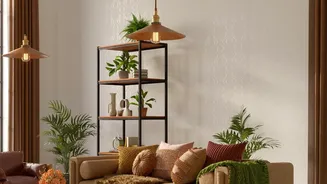
in living rooms, home offices, and even kids' rooms. Forget the clunky, dated models of the past. Today’s designs feature clean lines, sophisticated materials like sustainable wood and metal, and elegant upholstery. They function as a stylish sofa by day, loaded with cushions, but transform into a comfortable bed at night—often with a proper mattress that far surpasses the lumpy experience of a traditional sofa bed.
A Smart Answer to Modern Problems
The daybed’s resurgence is directly tied to a major shift in our lifestyles: the rise of the multi-functional room. As urban homes become more compact and real estate costs climb, every square foot must earn its keep. The clear-cut division between the living room, office, and guest room has blurred. A single space may now need to serve as a workplace from nine to five, a family lounge in the evening, and a comfortable spot for an overnight guest. This is where the daybed excels. It provides seating without the visual heaviness of a full-sized sofa and offers a sleeping solution without permanently occupying floor space like a traditional bed. This trend is especially relevant in India, where the demand for multifunctional furniture is rapidly growing to accommodate dynamic family lives and smaller urban apartments.
A Brief History of Lounging
The daybed’s core identity has always been about flexible comfort. Its history stretches back thousands of years to ancient Egypt and Greece, where reclining while eating or socialising was common practice. These early versions, sometimes called 'klines', were often made of stone or wood and used in common areas for leisure. Over the centuries, it evolved into the French chaise lounge, the Victorian “fainting couch,” and even the iconic analyst's couch used by Sigmund Freud. In every iteration, the daybed has been a piece that defies easy categorisation—it is not quite a sofa, not quite a bed, but something elegantly in between, designed for rest and relaxation.
The Real Lesson: Embrace Fluidity
The daybed's 2026 comeback isn't just about one piece of furniture. It represents a larger design philosophy taking hold: our homes need to be as adaptable as we are. The era of rigid, single-purpose rooms is fading. Instead, the focus is on creating fluid, responsive environments. This means choosing furniture that can serve multiple roles, from expandable dining tables to storage ottomans and, of course, the daybed. The lesson is to move away from thinking, "This is the dining room," and instead ask, "What does this space need to be today?" By prioritising flexibility, we create homes that are not only more efficient but also more comfortable and aligned with the reality of modern life.
How to Choose the Right Daybed
Thinking of embracing the trend? Start by assessing your room's primary needs. If it’s for a home office that occasionally hosts guests, a sleek, minimalist design with a firm mattress works well. For a child's room, a model with a pull-out trundle is a game-changer for sleepovers. Consider the style. Upholstered daybeds in rich fabrics like velvet can add a touch of luxury, while simple iron or wooden frames offer a more classic or rustic feel. Pay attention to scale. A backless daybed can float in the middle of a room and act as a divider, while a model with a high back feels more like a traditional sofa when placed against a wall. The key is to select a piece that solves a problem while enhancing your home's aesthetic.