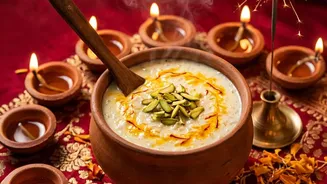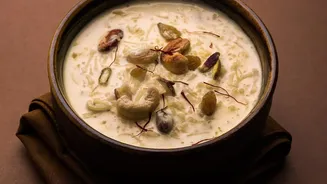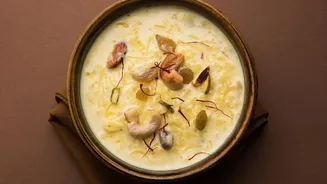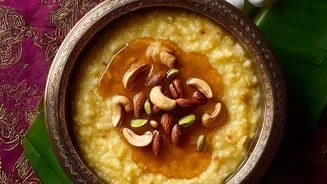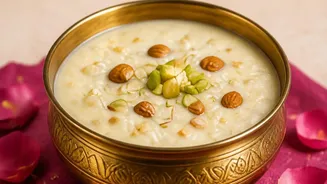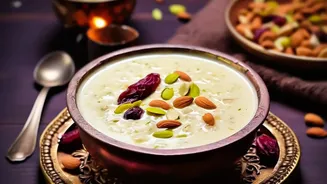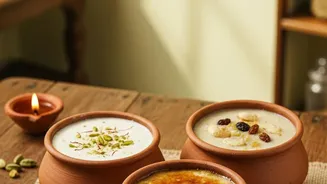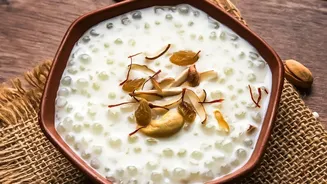



As winter's chill settles over North India, the familiar sight of sugarcane juice stalls appears. This seasonal bounty gives rise to a cherished, rustic dessert: Ganne ki Kheer, a sweet pudding that tastes of the harvest itself.
A Winter Delicacy From The Fields
Ganne ki Kheer, also known
as 'Roh di Kheer' in Punjab, is a quintessential winter dessert that offers a unique departure from the more common milk-based kheer varieties. Instead of relying on milk and processed sugar for its sweetness and body, this traditional pudding uses fresh sugarcane juice as its primary ingredient. The result is a naturally sweet, earthy, and deeply comforting dish that captures the essence of the season. It is a celebrated recipe in states like Punjab, Haryana, and parts of Bihar and Uttar Pradesh, where sugarcane is a major crop. This dessert is a direct culinary reflection of the agricultural calendar, turning the freshly pressed juice of the winter harvest into a warm, nourishing treat.
The Sweet Taste of Harvest
The preparation of Ganne ki Kheer is intrinsically linked to the winter months, particularly around the time of the sugarcane harvest. This is when fresh, sweet juice is abundantly available. Its significance is deeply woven into cultural and festive traditions, most notably Lohri, the Punjabi harvest festival. An old Punjabi saying, 'Poh ridhi, Magh khadi', translates to cooking the kheer on the last day of the month of 'Poh' (Lohri) and eating it on the first day of 'Magh' (Makar Sankranti). This practice marks the end of peak winter and celebrates the bounty of the land. The dish represents a frugal yet ingenious use of seasonal produce, a hallmark of traditional Indian cooking that transforms simple, local ingredients into something truly special.
Not Your Everyday Kheer
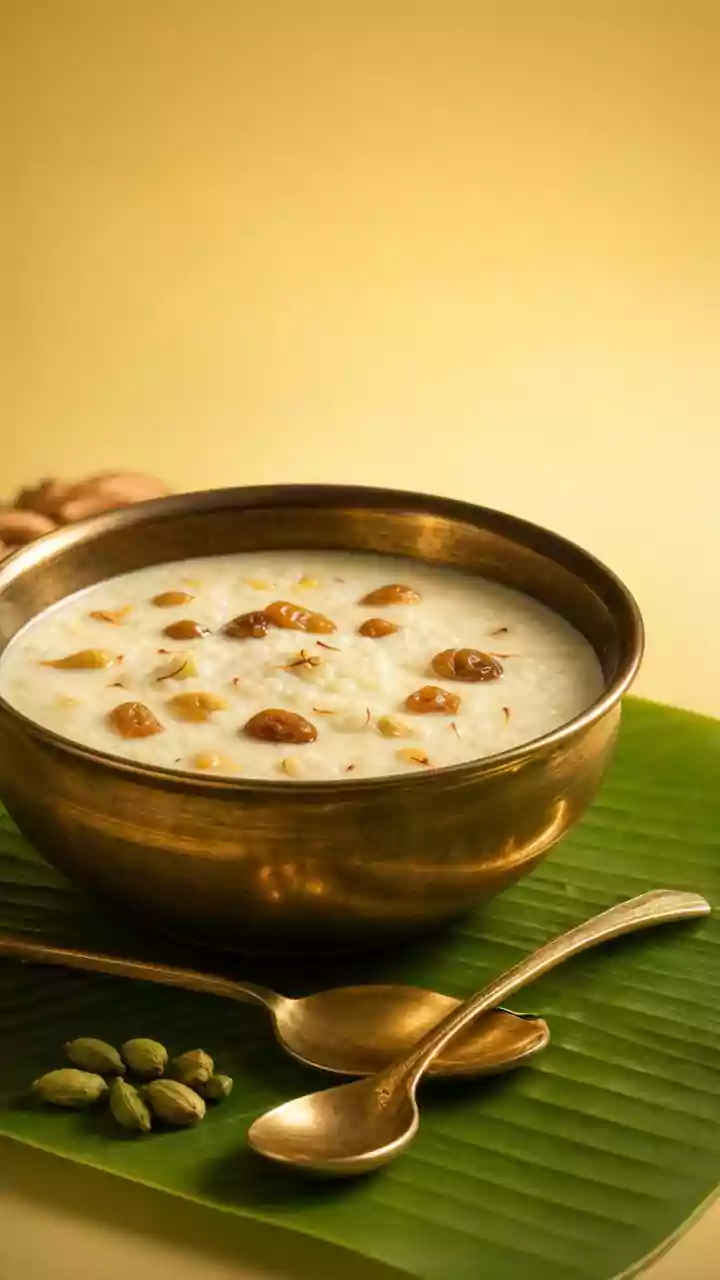
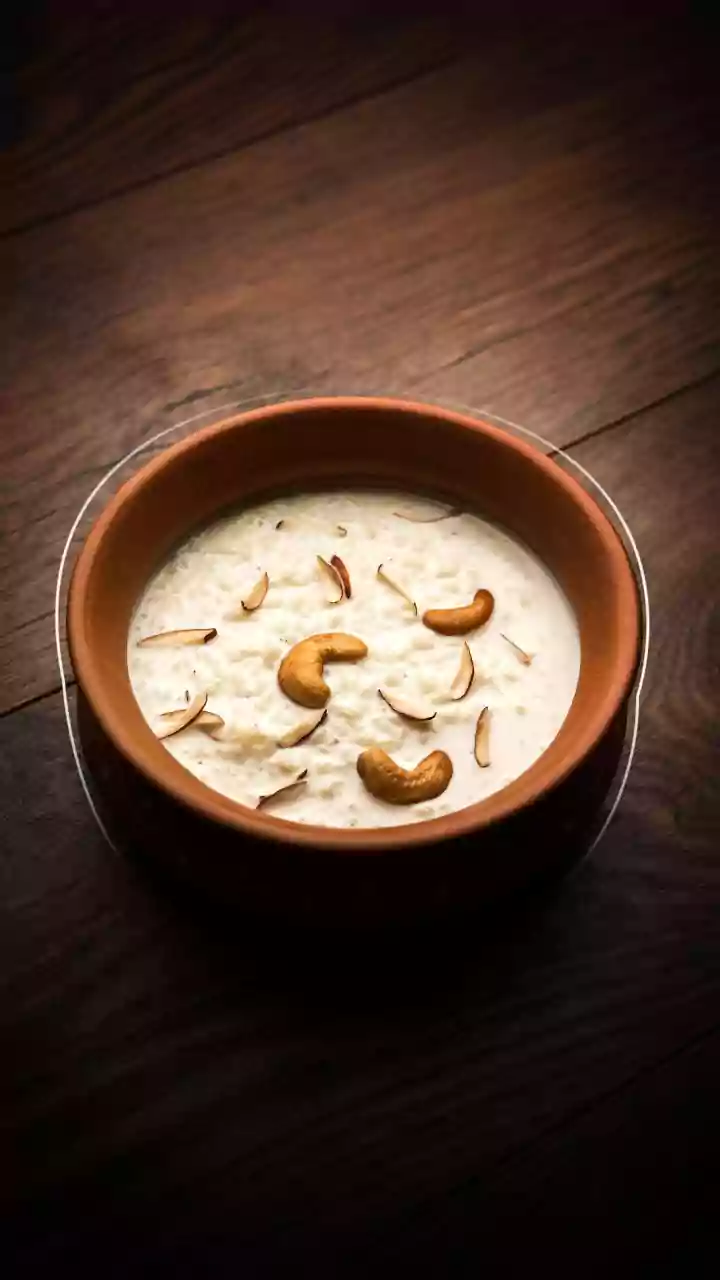
What sets Ganne ki Kheer apart is its distinctive flavour profile. Unlike the creamy whiteness of milk-based kheer, this version has a beautiful, light brown hue and a rustic texture. The sugarcane juice imparts a complex sweetness with caramel and molasses undertones, a taste that is much earthier and less one-dimensional than refined sugar. The dessert is naturally vegan if prepared without milk or ghee, making it a timeless recipe rooted in climate-smart traditions. It is traditionally made with short-grain or broken rice, which cooks down to a soft, pleasing consistency, perfectly absorbing the nuanced flavours of the juice.
The Art of Slow Cooking
Making Ganne ki Kheer is a lesson in patience. The process involves slow-cooking soaked rice in sugarcane juice until the grains are tender and the liquid has thickened into a luscious, pudding-like consistency. One of the crucial first steps is to bring the sugarcane juice to a boil and skim off any impurities that rise to the surface; this ensures the kheer has a clean taste and lighter colour. The mixture must be simmered gently and stirred occasionally to prevent it from catching at the bottom of the pan. This slow, deliberate process, which can take up to an hour or more, allows the flavours to meld and deepen, resulting in a dessert that is both simple and profound.
How to Make Ganne Ki Kheer at Home
You can recreate this traditional dessert with just a few ingredients. You will need one litre of fresh sugarcane juice (without salt or lemon), half a cup of basmati or other short-grain rice (soaked for 30 minutes), and optional additions like a teaspoon of cardamom powder and a handful of chopped nuts like almonds, cashews, or peanuts. First, strain the sugarcane juice into a heavy-bottomed pan and bring it to a boil, removing any scum from the surface. Drain the soaked rice and add it to the simmering juice. Cook on low heat, stirring periodically, for about 40-50 minutes, or until the rice is completely soft and the kheer has thickened. Finally, stir in the cardamom powder and roasted nuts before serving.