






An Invisible Threat, A Tangible Anxiety
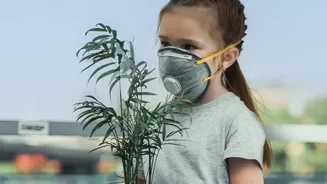
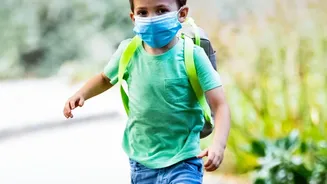
For children across Delhi-NCR, the world outside has become a visible threat. On Friday, the city's air quality index (AQI) reached 'severe' levels, with some monitoring stations recording readings as high as 488, close to the maximum of 500. This forces
a life indoors, not for play, but for protection from an invisible enemy in the air. This environmental stress is a recognised contributor to mental health concerns. A survey conducted in Delhi-NCR during peak pollution months found that nearly 70% of children felt stressed and worried due to poor air quality, with around 77% reporting feelings of anxiety, irritation, or fear. Experts refer to this phenomenon as 'eco-anxiety'—a persistent worry about environmental doom that can manifest as panic attacks, sleeplessness, and irritability. For a child, understanding that the very air they need to breathe is harmful can create a profound sense of helplessness and fear, turning their home from a sanctuary into a self-imposed cage.
The Double-Edged Sword of Online Classes
While online classes offer a necessary solution to continue education amidst pollution-related school closures, they bring their own set of challenges. The shift indoors dramatically increases screen time, which is linked to a more passive lifestyle and can affect thinking skills. More importantly, it removes children from the crucial social interactions that school provides. The casual chats with friends, the guidance from teachers, and the structure of a school day are vital for psychosocial wellbeing. The isolation caused by prolonged online learning can lead to feelings of loneliness, a lack of focus, and behavioural changes like aggression or withdrawal. Experts note that this digital dependency can create a cycle of screen addiction, as children turn to social media and online content to fill the void left by outdoor play and real-world connections.
How to Recognise the Signs of Anxiety
For parents, it is crucial to recognise when normal worry crosses into persistent anxiety. While each child is different, common warning signs can indicate they are struggling to cope. Look for sudden emotional or behavioural changes, such as increased irritability, clinginess, or frequent angry outbursts. Some children may withdraw and become less communicative. Changes in sleep patterns, like difficulty falling asleep, frequent nightmares, or sleeping much less, are also red flags. A loss of appetite or, conversely, emotional eating can be a sign of distress. Physically, children may complain of frequent headaches or fatigue not linked to other illnesses. A persistent lack of interest in activities they once enjoyed, including a reluctance to play even when indoors, can also signal a deeper issue. If these symptoms are persistent and interfere with daily life, it may be time to seek professional support.
What Parents Can Do to Help
While parents cannot control the city's air quality, they can take meaningful steps to mitigate its psychological impact. The first step is to validate their child's feelings. Acknowledge that their fear and worry are rational responses to a real threat. Creating an open and honest dialogue where they can ask questions without fear of dismissal is essential. Establishing a predictable daily routine helps create a sense of normalcy and security. This should include structured learning, dedicated screen-free playtime, and indoor physical activities. Engaging children in constructive hobbies like reading, painting, or gardening on a balcony can reduce boredom and stress. It is also important to model calm and resilience. Parents should manage their own anxieties and avoid expressing hopelessness about the situation in front of their children. Finally, focusing on what can be controlled, such as making the home a positive and engaging space, can empower both children and parents.