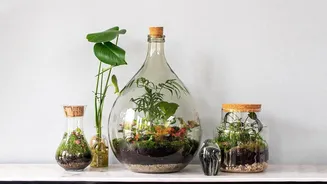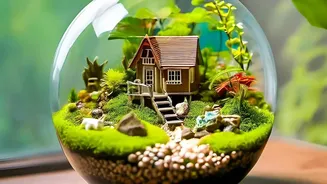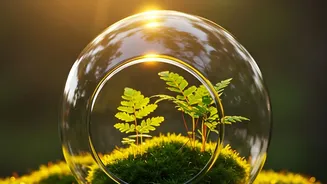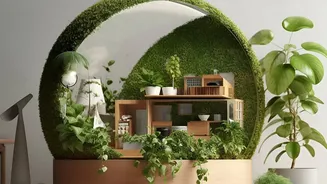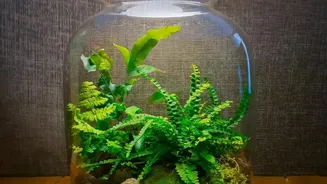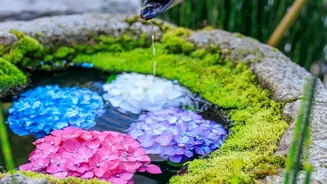



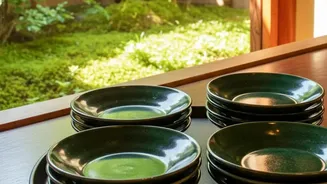
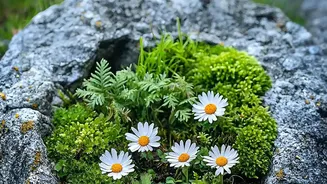
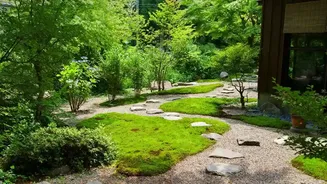
Bringing a touch of the forest floor into your home, miniature moss gardens offer a serene, low-maintenance way to connect with nature. These living arrangements, often showcased in bowls or terrariums, are all about texture and composition.
The Allure of Miniature Landscapes
Moss gardens
have become a popular feature in interior design for good reason. They tap into the concept of biophilic design, which is based on our innate desire to connect with nature. Incorporating natural elements like moss into our indoor spaces can help reduce stress and create a sense of tranquility. Unlike many houseplants, moss thrives in indirect light and brings a lush, velvety green texture that feels both ancient and calming. Whether you are creating a small centrepiece for a coffee table or a more elaborate terrarium, a moss garden serves as a living piece of art that evolves slowly over time.
Choosing Your Core Materials
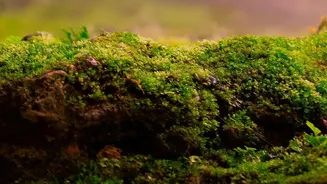
The beauty of a moss garden lies in its simplicity. You can use either live moss, which requires occasional care, or preserved moss for a zero-maintenance display. For live gardens, popular indoor varieties include Cushion Moss, which forms dense, round mounds, and Sheet Moss, which creates a flat, carpet-like effect. Fern Moss and Mood Moss add more delicate, feathery textures. For the base, you will need a layer of small pebbles or gravel for drainage, a thin layer of activated charcoal to keep the environment fresh, and a substrate like a peat or coco-coir mix that mosses prefer.
Designing With Texture, Stone, and Wood
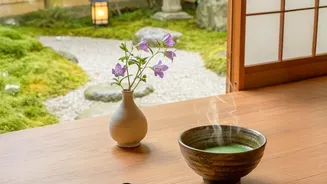
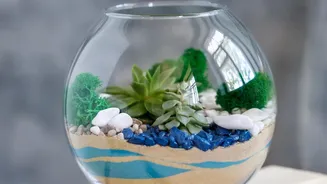
The magic of a moss garden comes from the interplay of different textures and natural forms. Combining various types of moss, such as the fluffy appearance of Reindeer Moss with the flat surface of Sheet Moss, can create a dynamic, three-dimensional look. Stones are a crucial element, providing contrast and structure. Smooth river pebbles can create a sense of calm, reminiscent of a Japanese Zen garden, while a larger, more rugged stone can act as a dramatic focal point. Don't hesitate to incorporate other natural elements like small pieces of driftwood or bark, which add a rustic, forest-floor authenticity to your miniature landscape.
A Simple Guide to Assembly
Creating your own moss garden is a straightforward and rewarding process. Start by selecting your container—a shallow ceramic bowl, a glass terrarium, or even a deep tray will work. First, add a drainage layer of pebbles at the bottom. Follow this with a sprinkle of activated charcoal, and then a 2–3 inch layer of your chosen soil mix, which should be pre–moistened. Gently press your pieces of live moss onto the soil, arranging them like a puzzle to cover the surface. If you are mixing varieties, consider how their different textures and growth habits will look together. Finally, place your stones and any other decorative elements, pressing them slightly into the moss and soil to secure them.
Caring for Your Living Garden
Live moss gardens are surprisingly low–maintenance. The most important factor is moisture. Moss should be kept damp but never waterlogged. Misting with a spray bottle every two to three days is usually sufficient. It is best to use filtered water, rainwater, or distilled water, as the chlorine and minerals in tap water can harm the moss over time. Place your garden in a spot that receives bright, indirect light; direct sunlight will scorch and dry out the moss. If you notice condensation on the inside of a closed terrarium, that is a good sign that the humidity is adequate. Should the moss become overgrown, you can simply trim it with small scissors to maintain its shape.