





1. Turmeric: The Golden Spice
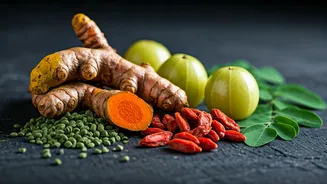
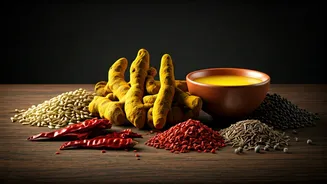
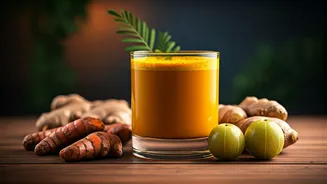
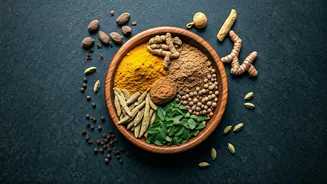
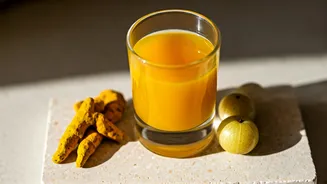
Chances are, you’ve seen it: the 'golden milk latte' on a cafe menu abroad. This trendy drink is essentially a repackaged version of our beloved haldi doodh, a staple in Indian households for generations. Turmeric’s moment in the global spotlight is largely
thanks to its active compound, curcumin. A powerful antioxidant, curcumin has been extensively studied for its anti-inflammatory properties, making it a hot topic in the wellness community. While traditionally used for everything from healing wounds to boosting immunity, it’s now a key ingredient in supplements, skincare, and gourmet kitchens worldwide. The viral trend, however, often simplifies the science; the amount of curcumin your body can absorb from a single latte is minimal. But its global popularity has rightfully placed a spotlight on the humble spice rack hero.
2. Ashwagandha: The Modern Stress-Buster
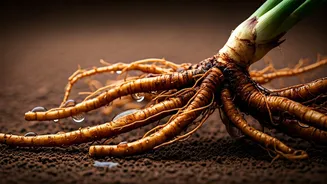
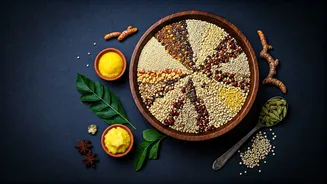
In a world grappling with burnout, it’s no surprise that ashwagandha has gone mainstream. Known in Ayurveda as a powerful adaptogen—a natural substance considered to help the body adapt to stress—this ancient root is now a billion-dollar industry. Sold as powders for smoothies, capsules, and even infused in coffee blends, ashwagandha is marketed as a natural solution for anxiety and fatigue. For centuries in India, it has been used as a 'Rasayana' or rejuvenator, believed to enhance vitality and longevity. Its journey from traditional medicine to a globally sought-after supplement shows a growing Western interest in holistic approaches to mental and physical well-being, even if scientific evidence for its benefits in humans is still developing.
3. Moringa: The Nutrient-Dense Powerhouse
Long before it was a green powder in expensive health food stores, moringa, or the drumstick tree, was a common sight in Indian backyards. Its leaves, pods, and flowers have been a part of our regional cuisines for centuries, particularly in South Indian dishes like sambar. Today, moringa is celebrated globally for its incredible nutritional profile. It’s packed with vitamins A and C, calcium, potassium, and protein, earning it the nickname 'the miracle tree'. As global consumers look for plant-based sources of nutrition, moringa has found its place in everything from energy bars to green juices. It’s a perfect example of a sustainable, nutrient-dense food that was hiding in plain sight for the rest of the world.
4. Amla: The Immunity King
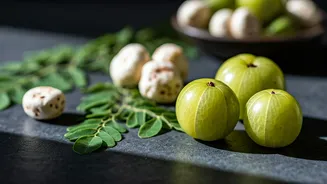
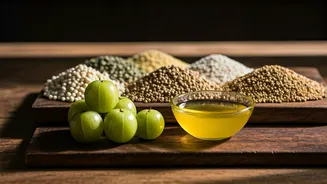
Amla, or the Indian gooseberry, is another traditional powerhouse that has found new fame. With one of the highest concentrations of Vitamin C found in nature, it has been a cornerstone of Ayurvedic immunity-boosting formulas like Chyawanprash for millennia. The global pandemic accelerated the search for natural immunity enhancers, and amla fit the bill perfectly. Its tart, astringent flavour might be an acquired taste, but its health halo is undeniable. Now available internationally as juices, powders, and supplements, amla is being recognised for its antioxidant properties that go beyond just Vitamin C, tapping into the worldwide demand for preventative health solutions.
5. Ghee: The Clarified Comeback
Perhaps the most surprising comeback story is that of ghee. For years, it was sidelined by health-conscious Indians and Westerners alike during the low-fat craze of the late 20th century. But now, clarified butter is back with a vengeance. Championed by high-fat diets like Keto and Paleo, ghee is praised for its high smoke point (making it great for cooking), its nutty flavour, and for being lactose-free. Wellness influencers praise its gut-health benefits, echoing Ayurvedic texts that have long revered it as a healthy fat essential for digestion and nutrient absorption. The journey of ghee from a dietary villain to a gourmet health food is a testament to how nutritional science—and food trends—are constantly evolving.