
Capturing a Moment in Time
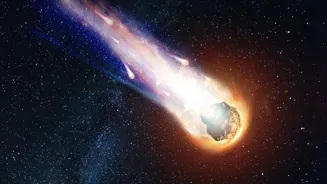
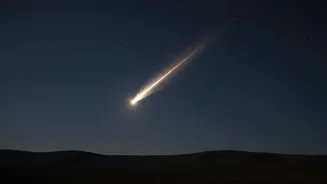
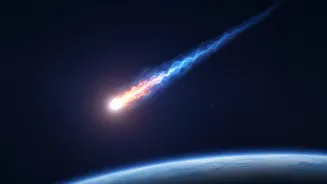
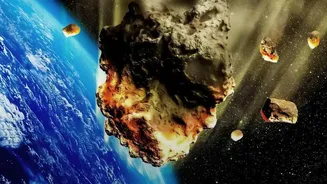
Before we can track a meteor, we have to see it. A meteor is the visible phenomenon that occurs when a small particle from space, called a meteoroid, enters Earth's atmosphere at high speed and burns up. These events are incredibly brief, often lasting
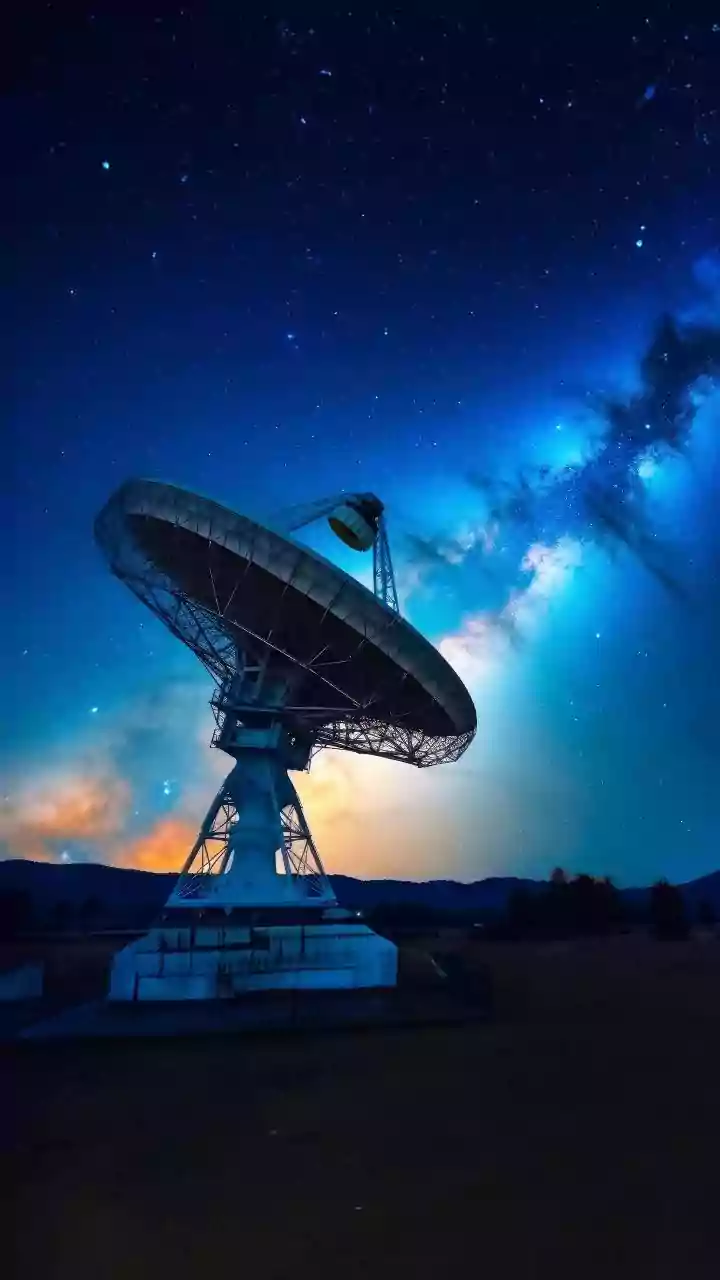
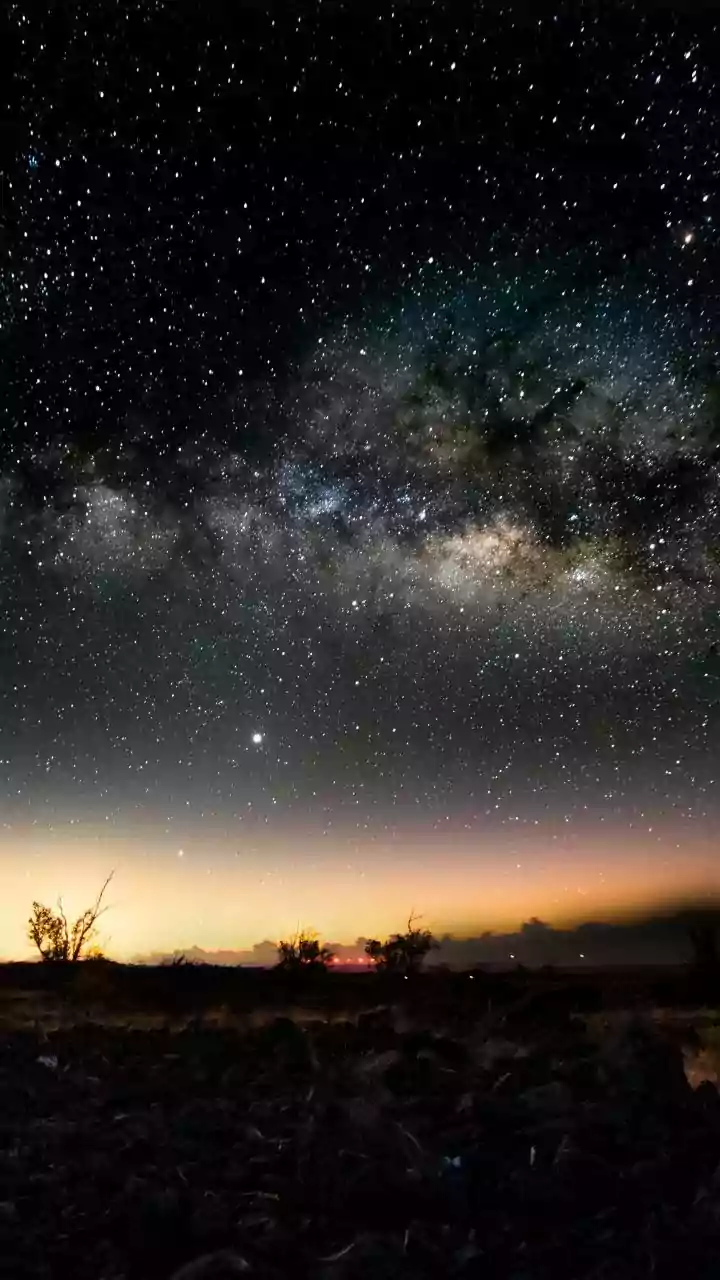
just a second or two. While human eyes are great at spotting them, scientific analysis requires more precise data. This is where networks of automated cameras come in. Projects like NASA's All Sky Fireball Network and the global CAMS (Cameras for Allsky Meteor Surveillance) project use strategically placed, low-light video cameras that watch the sky all night, every night. These systems are designed to automatically record any meteors that appear, capturing their path against the backdrop of stars.
The Geometry of Triangulation
A single observation can tell you the direction of a meteor, but not its distance or altitude. To get a three-dimensional path, you need at least two points of view. This is a classic geometric technique called triangulation, or parallax. Think of it like holding your finger in front of your face and closing one eye, then the other. Your finger appears to shift against the background. Meteor camera networks do the same thing. When two or more cameras, separated by a significant distance, record the same meteor simultaneously, astronomers can measure this apparent shift. By knowing the exact location of each camera and the angle from which each one viewed the meteor, they can calculate the meteor's precise path through the atmosphere, including its height and length.
Calculating Speed and Deceleration
A meteor doesn't travel at a constant speed; it slows down as it plows through the atmosphere. Measuring this deceleration is a critical piece of the puzzle. The video recordings from camera networks capture the meteor's brightness and position frame by frame. This allows scientists to calculate its velocity as it enters the atmosphere and how much it slows down due to air resistance. The initial velocity, before the atmosphere had a significant braking effect, is the key value needed. By carefully analyzing the first part of the meteor's visible trail, scientists can estimate this entry speed with remarkable accuracy. This tells them how fast the meteoroid was traveling through space just before its encounter with Earth.
Rewinding the Cosmic Clock
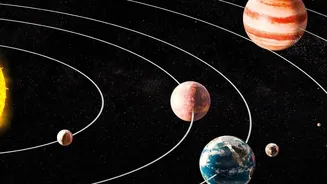
Once astronomers have the meteor's precise atmospheric trajectory and its pre-entry velocity, they can perform the final, most fascinating step: calculating its original orbit. This involves working backward in time. They take the meteor's path and essentially subtract the effects of Earth's gravity and motion. The calculation must account for our planet’s own orbit around the Sun. By doing this, they can plot the meteoroid's previous path through the solar system. The result is a set of orbital elements—like the shape and orientation of its orbit—that acts as a cosmic address, defining the journey the rock took to reach us.
Finding a Meteor's Family
The final orbit reveals the meteoroid's history. Most meteoroids that create annual showers, like the Perseids in August or the Geminids in December, are debris left behind by comets. When the calculated orbit of a meteor matches the orbit of a known comet, scientists can confirm its parent body. This is how we know the Perseids come from Comet Swift-Tuttle. In other cases, the orbit might trace back to the asteroid belt between Mars and Jupiter, indicating the meteoroid was a chip off an asteroid. Sometimes, these calculations lead to the discovery of entirely new meteor showers or previously unknown comets, filling in another small piece of our solar system's grand story.