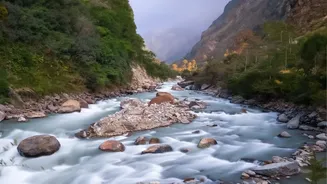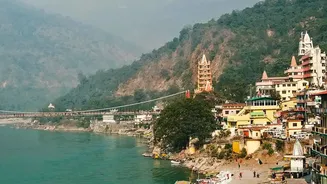

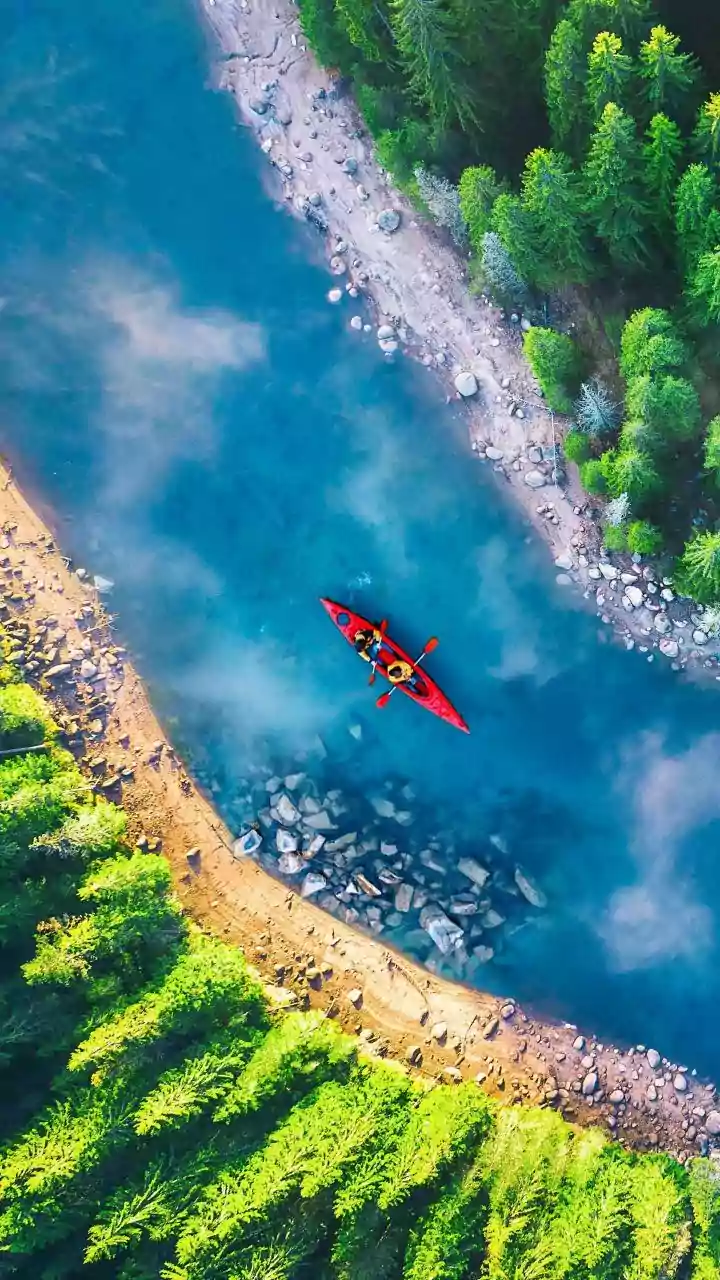
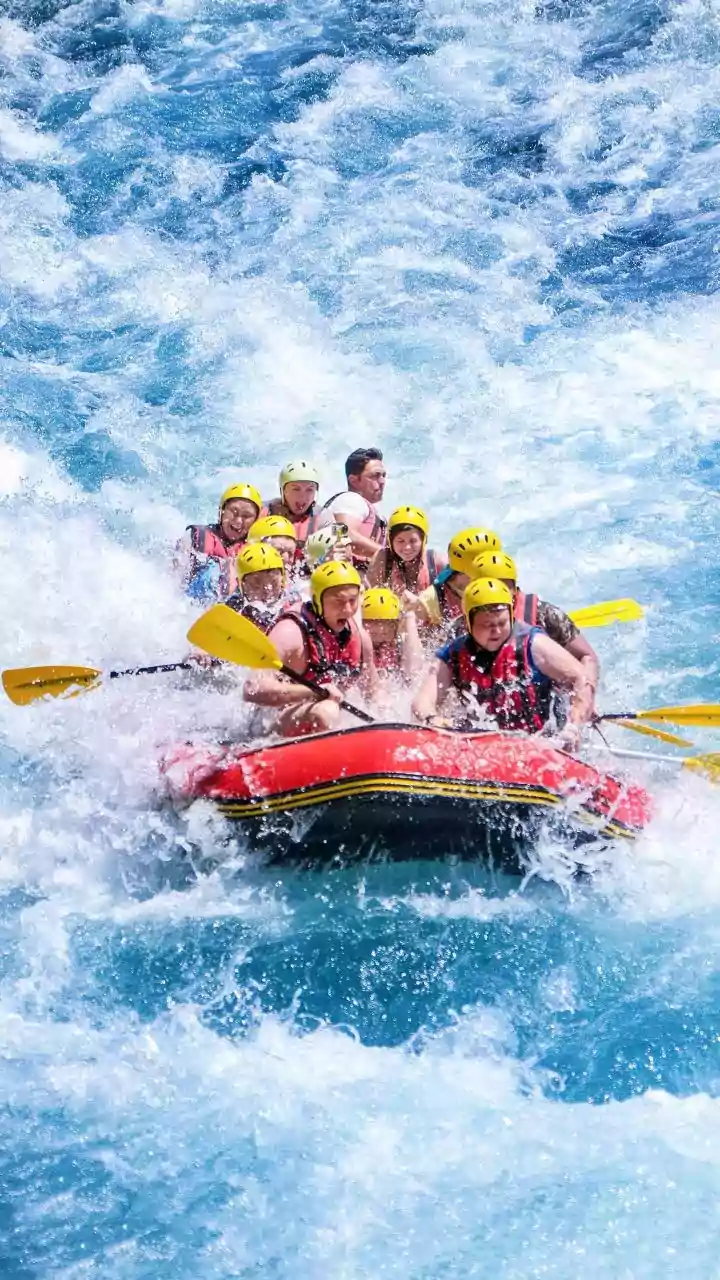


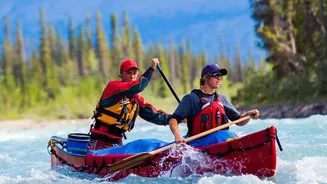
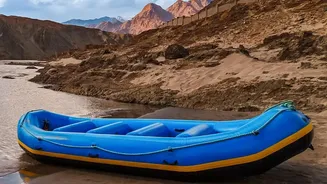

The thrill of paddling through the Ganga’s roaring rapids in Rishikesh is an unmatched adventure. As the monsoon recedes, the river swells with energy, making late September an exciting time for rafting, especially as the season reopens.
Understanding Late-Monsoon Rafting
Rafting in Rishikesh
is officially closed during the peak monsoon months of July and August for safety reasons. The season typically reopens around mid-to-late September, when the rains have subsided but the river is still running high and fast. This post-monsoon period offers some of the most thrilling rapids of the year, as the Ganga is full and powerful. For a first-timer, this means that being prepared is even more crucial. The water is energetic, the weather is pleasant, and the Himalayan foothills are lush and green. It's an ideal time for adventure, provided you respect the river and follow all safety protocols. Most operators begin taking bookings as soon as the official opening dates are announced by the Uttarakhand tourism authorities.
Essential Safety Gear Provided by Operators
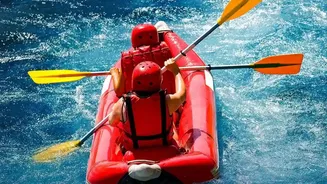
When you book a trip with a reputable rafting operator in Rishikesh, they will provide you with the non-negotiable safety equipment. The two most important pieces are a life jacket, also known as a Personal Flotation Device (PFD), and a helmet. Your guide will ensure both are fitted correctly. A PFD should be snug and not ride up over your chin, as its primary job is to keep you afloat if you fall into the water. A helmet protects you from potential impact with rocks or equipment. You will also be given a paddle, which is not just for propulsion but is also a tool you'll learn to use for balance and safety manoeuvres as instructed by your guide.
Your Personal Gear: What to Wear and Bring
What you choose to wear can significantly impact your comfort and safety. The number one rule is to avoid cotton. Cotton absorbs water, gets heavy, and will make you cold. Instead, opt for quick-drying synthetic materials like polyester or nylon. A rash guard or a synthetic T-shirt paired with board shorts or athletic leggings is an ideal combination. For footwear, choose secure water shoes, river sandals with straps, or even old sneakers you don't mind getting wet. Flip-flops and loose slippers are a definite no, as they will be lost to the river’s current instantly. Protect yourself from the sun with waterproof sunscreen and consider wearing sunglasses with a retainer strap so they don't fly off. Leave valuable jewelry, watches, and non-essential electronics at your hotel.
Why Stretching Before You Paddle Matters
Paddling is a full-body workout that engages your core, back, shoulders, and arms in ways you may not be used to. A proper warm-up helps prevent muscle strains and increases your flexibility, making you a more effective and resilient paddler. Just ten minutes of targeted stretching can improve circulation, prepare your joints for the repetitive motion of paddling, and reduce post-rafting soreness. It helps you stay comfortable in the raft and react more quickly to your guide’s commands, contributing to a safer experience for everyone on board.
A Simple Pre-Rafting Stretch Routine
You don't need a yoga mat to get ready for the river. These simple stretches can be done right before you board the raft. Start with shoulder rolls, circling them forwards and backwards ten times each to warm up the joints. Follow this with a cross-body shoulder stretch, gently pulling one arm across your chest and holding for 20 seconds per side. Next, perform a tricep stretch by reaching one arm up, bending at the elbow to pat your own back, and using the other hand to gently pull the elbow. Loosen your torso and back with gentle standing twists. Finally, stretch your hamstrings and lower back with a simple forward fold, bending at the hips and reaching towards your toes while keeping your knees slightly bent.
Final Tips for a Safe First-Time Adventure
Your guide is your most important safety asset on the river, so listen carefully to the pre-trip briefing and obey their commands on the water. For your first time, consider a shorter, less intense stretch like the one from Brahmapuri to Rishikesh (Grades I-II) before trying the more popular but challenging Shivpuri stretch (Grades II-III). Non-swimmers can still raft, as your PFD will keep you afloat, but it's vital to remain calm and follow instructions if you find yourself in the water. Stay hydrated throughout the day and, most importantly, have fun. The Ganga offers a powerful blend of serenity and adrenaline that makes for an unforgettable experience.