




What Exactly Are the New Rules?
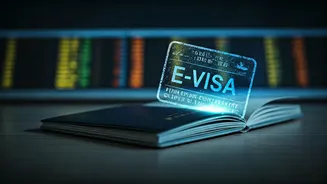
The game-changer is Vietnam's new e-visa policy, which took effect in mid-August 2023. Previously, Indian tourists could get a 30-day, single-entry e-visa. Now, that has been upgraded to a 90-day, multiple-entry e-visa. This means you can apply online,
receive your visa electronically, and enter Vietnam multiple times within a three-month period. This flexibility is huge. It allows for longer, more immersive stays or even using Vietnam as a base to explore neighbouring countries like Cambodia and Laos before re-entering without needing a new visa. The application process remains online, simple, and costs around $25 USD, making it one of the most accessible visa processes in the region for Indian passport holders.
The Data: A 'Massive' Spike in Interest
The headline isn’t an exaggeration. Travel platforms reported an immediate and dramatic reaction from the Indian market. According to data from online travel aggregator Agoda, searches for accommodation in Vietnam from India surged by 33% in the two weeks following the policy change. Similarly, Skyscanner, a popular flight search engine, noted a significant increase in search volumes from Indian users looking for flights to major Vietnamese cities like Hanoi, Ho Chi Minh City, and Da Nang. This kind of spontaneous, data-backed interest shows just how much visa policies can influence travel decisions. For many potential tourists who were on the fence, the removal of visa-related hassle was the final push they needed to start actively planning a trip.
Why Vietnam? More Than Just an Easy Visa
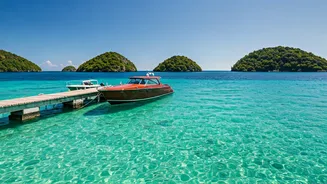
While the simplified entry is the trigger, Vietnam’s appeal runs much deeper. For Indian travellers, it hits a sweet spot of affordability, cultural richness, and stunning natural beauty. The Vietnamese Dong (VND) offers a favourable exchange rate against the Indian Rupee (INR), meaning your travel budget stretches further. The country offers an incredible diversity of experiences. You can cruise through the otherworldly limestone karsts of Ha Long Bay, wander through the lantern-lit ancient town of Hoi An, get lost in the bustling energy of Ho Chi Minh City, or explore the coffee plantations of the central highlands. The food alone is a major draw, with world-famous dishes like pho, banh mi, and fresh spring rolls available for a pittance on almost every street corner.
Tips for Planning Your Spontaneous Trip
Inspired to book a flight? Keep a few things in mind. The best time to visit varies by region, but generally, the dry season from October to April is ideal for most of the country. Direct flights to Vietnam are available from major Indian cities like Delhi, Mumbai, Kolkata, and Bengaluru, with airlines like VietJet Air and Vietnam Airlines offering competitive fares. When budgeting, you can travel comfortably on ₹2,500–₹4,000 per day, covering accommodation, food, and local transport. For a spontaneous trip, focus on one or two regions to avoid feeling rushed. A popular one-week itinerary could cover the north (Hanoi and Ha Long Bay) or the south (Ho Chi Minh City and the Mekong Delta).
A Trend Across Southeast Asia
Vietnam's move is part of a larger trend in Southeast Asia. Countries across the region are competing to attract the massive, fast-growing Indian outbound tourism market. Thailand recently announced visa-free entry for Indian tourists for a six-month period, and Malaysia followed suit with a 30-day visa-free scheme. This friendly competition is fantastic news for Indian travellers, who now have more affordable and accessible international destinations to choose from than ever before. With its unique blend of French colonial history, vibrant culture, and breathtaking landscapes, Vietnam is now perfectly positioned to become a top choice for a quick getaway or an extended exploration.