



The Northern Embrace: Slow-Cooking for Richness
In North India, particularly Punjab, winter is synonymous with 'Sarson da Saag'. This iconic dish involves slow-cooking mustard greens, often with other leafy vegetables like spinach and bathua, for hours. This patient process does more than just soften
the pungent greens; it allows their flavours to meld and deepen into a creamy, earthy delight. The slow-cooking method helps in breaking down the tough cellular walls of the greens, making nutrients more accessible. When finished with a dollop of ghee, it not only adds richness but also helps the body absorb fat-soluble vitamins like A and K, which are abundant in mustard leaves. Similarly, the beloved 'Gajar ka Halwa' relies on the same principle. Grated winter carrots, known for their exceptional sweetness, are gently simmered in milk until all the liquid evaporates, concentrating their natural flavour. This slow reduction caramelises the sugars in the milk and carrots, creating a dessert that is far more complex than its simple ingredients suggest, all while preserving the goodness of the carrots.
Western Wonders: The Art of Inversion and Steaming
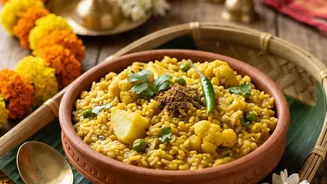
Head west to Gujarat, and you'll find 'Undhiyu', a celebrated winter delicacy. Its name is derived from the Gujarati word 'undhu', meaning 'upside down', which refers to the traditional method of cooking. A medley of winter vegetables like surti papdi (broad beans), yams, baby potatoes, and eggplants are layered in a sealed earthenware pot. This pot is then inverted and buried in a pit with a fire lit on top. This ingenious technique essentially steams the vegetables in their own juices, a slow and gentle process that preserves both their individual textures and nutrients. Each vegetable contributes its moisture and aroma, creating a beautifully layered and flavourful dish without needing excess water or oil, which can leach away vitamins. The result is a testament to how clever cooking techniques can enhance natural goodness.
Eastern Elegance: The Magic of Tempering
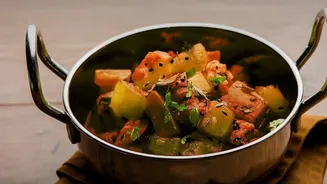
In Bengal and other parts of Eastern India, winter cooking often celebrates speed and aromatic spices. The key here is 'panch phoron', a unique five-seed spice blend of fenugreek, nigella, cumin, black mustard, and fennel seeds. Rather than being ground into a powder, these seeds are bloomed whole in hot oil or ghee at the beginning of the cooking process. As they crackle and pop, they release their essential oils, infusing the oil with a complex, aromatic flavour. This tempered oil is then used to quickly stir-fry winter vegetables like cauliflower, potatoes, and beans. This method, known as 'bhaja' (fry) or used in light curries, ensures the vegetables remain crisp and retain much of their nutritional value, colour, and texture. The burst of flavour comes from the spice-infused oil, not from heavy sauces, allowing the fresh taste of the produce to shine through.
Southern Simplicity: Roasting and Stir-Frying
South Indian kitchens embrace winter vegetables through techniques that are simple yet profoundly flavourful. The 'poriyal' (or 'palya') is a perfect example. This dry vegetable preparation involves finely chopping vegetables like carrots, beans, or cabbage and stir-frying or lightly sautéing them. The cooking time is minimal, ensuring the vegetables retain a pleasant crunch and their nutrients aren't lost to overcooking. The genius lies in the final touches: a tempering of mustard seeds, lentils, and curry leaves, and a generous garnish of freshly grated coconut. The tempering adds a savoury pop of flavour, while the coconut lends a subtle sweetness and creamy texture that complements the fresh vegetables without overpowering them. This approach highlights the inherent qualities of the produce with remarkable efficiency.