

Why Snow Camping?
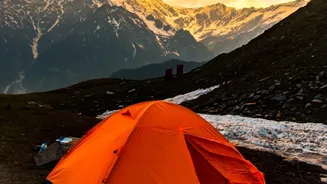
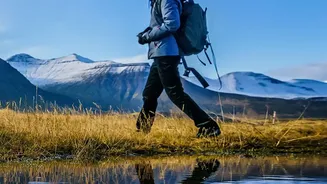
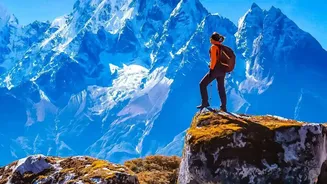
Wilderness snow camping offers a level of solitude and pristine beauty that summer treks often cannot match. The trails are quieter, the landscapes are transformed into a white wonderland, and the clear winter skies provide unparalleled stargazing opportunities.
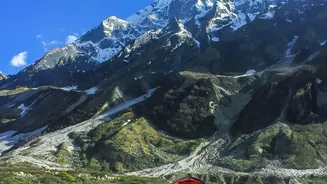
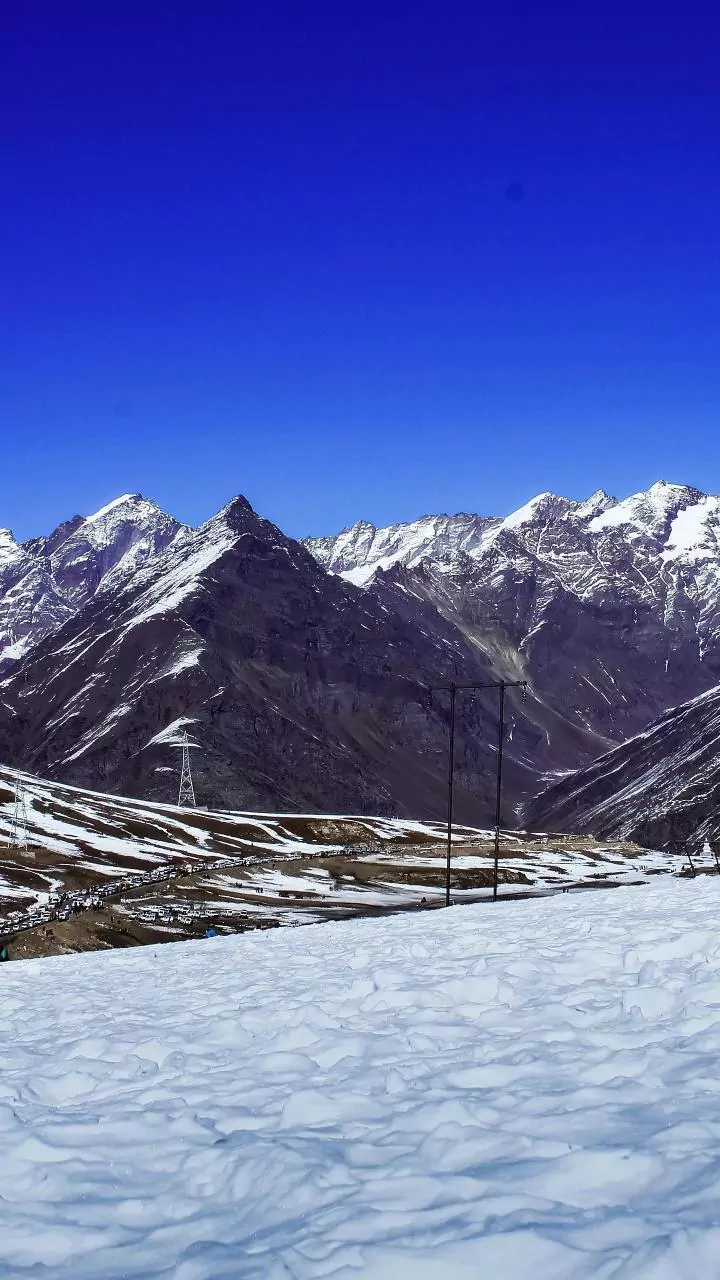
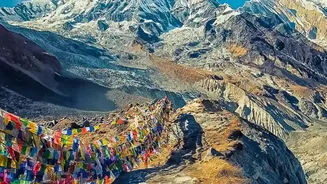
More importantly, the panoramic views from high-altitude ridges are often at their sharpest in winter, with snow-dusted peaks stretching across the horizon. These treks are not just about reaching a summit; they are about the immersive experience of living in a stunning, frozen world, even if just for a few nights. The campsites themselves, set in snow-covered meadows or clearings, become a core part of the adventure.
Kedarkantha: The Queen of Winter Treks
Often hailed as one of the best winter treks in India, Kedarkantha is exceptionally popular for good reason. Located in Uttarakhand's Govind Wildlife Sanctuary, this trek is considered easy to moderate, making it accessible for enthusiastic beginners. The journey typically starts from the village of Sankri and winds through dense pine forests, snowy clearings, and past the beautiful frozen lake of Juda Ka Talab, a stunning campsite location. The final push to the 12,500-foot summit is rewarded with a spectacular 360-degree vista of famous Himalayan peaks, including Swargarohini, Bandarpoonch, and Black Peak. Witnessing the sunrise from the top, as the first light hits the snow-covered ranges, is a truly memorable experience.
Brahmatal: The Lake of Lord Brahma
For those seeking a trail with legendary views of giants like Mt. Trishul and Nanda Ghunti, Brahmatal is an excellent choice. This trek also begins in Uttarakhand, from the base camp of Lohajung. The route takes you through enchanting forests of oak and rhododendron, which are particularly beautiful when dusted with snow. The key highlights are the two frozen high-altitude lakes, Bekaltal and the eponymous Brahmatal, where it is believed the Hindu deity Lord Brahma once meditated. Camping beside these frozen lakes is a core part of the experience. The trail ascends to Brahmatal Top at over 12,200 feet, from where the panoramic display of the Garhwal Himalayas is simply breathtaking.
Dayara Bugyal: The Endless Meadow
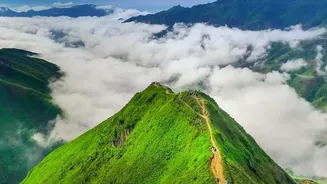
Known as one of India's most beautiful alpine meadows, Dayara Bugyal transforms into a vast, rolling expanse of white in the winter, making it a paradise for snow trekkers. Starting from villages like Barsu or Raithal, the trek is rated as easy and is suitable for beginners and families looking for a less strenuous but visually stunning adventure. The trail offers magnificent views of the Bandarpoonch and Black Peak ranges throughout the journey. Camping on the edge of the snowy 'Bugyal' (meadow) under clear winter skies is an experience in itself. The vast, open landscape provides an unobstructed panoramic view that is both humbling and awe-inspiring, making it a favourite for photographers.
Deoriatal-Chandrashila: The Summit Spectacle
This trek combines the beauty of a serene lake with a rewarding summit climb. The journey begins near the village of Sari, leading to the picturesque Deoriatal lake, which is famous for the reflections of the Chaukhamba massif in its clear waters. While camping directly at the lake may be restricted, nearby sites offer a tranquil stay. The trek continues to Chopta, often called the 'mini Switzerland of Uttarakhand', which serves as the base for the Tungnath temple, the world's highest Shiva temple. From Tungnath, a further climb leads to the Chandrashila summit at around 4,000 metres. The 360-degree view from here is among the best in the Garhwal Himalayas, offering a panorama of peaks including Nanda Devi, Trishul, and Chaukhamba.
Preparing for the Cold
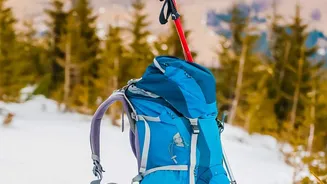
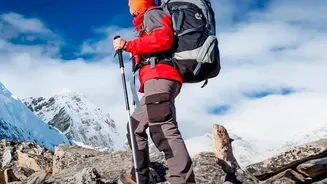
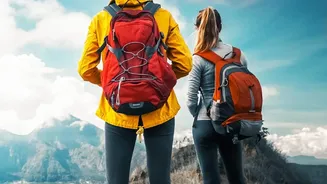
Wilderness snow camping requires careful preparation. Safety should always be the top priority. It is crucial to trek with an experienced guide or a reputable company that provides proper gear and has safety protocols in place. Essential gear includes waterproof trekking shoes, microspikes for grip on ice, and gaiters to keep snow out of your boots. Layering is key to staying warm: a thermal base layer, a fleece mid-layer, and a waterproof and windproof outer jacket are essential. Always carry a warm hat, gloves, and several pairs of woollen socks. Staying hydrated and eating well is also vital, as your body burns more calories to stay warm in the cold. Finally, always follow the instructions of your trek leader, as weather conditions in the Himalayas can change rapidly.