






The Rental Counter: Your Starter Kit
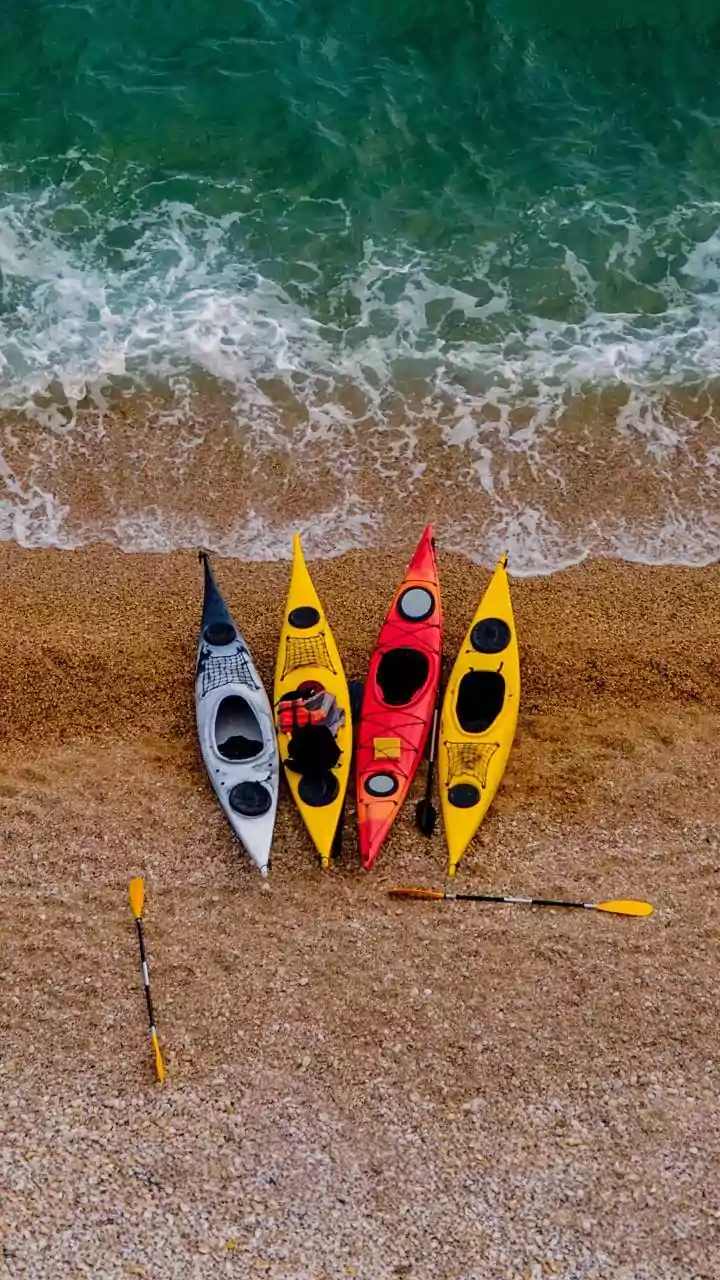
When you rent a kayak, you'll typically get the boat, a double-bladed paddle, and a personal flotation device (PFD). Most rentals for beginners are sit-on-top kayaks, which are wide, stable, and self-bailing (meaning water drains out on its own). They're
incredibly user-friendly and almost impossible to tip over in calm conditions. For a stand-up paddleboard (SUP) rental, you'll receive the board, a single-bladed paddle that needs to be adjusted to your height, a PFD, and a leash that tethers the board to your ankle. The leash is a critical piece of safety gear, ensuring your board doesn't float away if you fall off. The rental staff will usually give a brief orientation for either choice, covering basic safety and tips.
The Learning Curve: Stability vs. Balance
For most absolute beginners, kayaking is easier to pick up in the first ten minutes. Because you are sitting low in the water, your center of gravity is much lower, making the kayak feel inherently stable. You can get in, get comfortable, and start paddling with minimal instruction. Paddleboarding, on the other hand, presents an initial balance challenge. While many beginners start by paddling on their knees to get a feel for the board, the goal is to stand up. This requires engaging your core and legs, and it's normal to feel a bit wobbly at first. Expect to fall in at least once, which is part of the fun! Most people get the hang of standing within their first session, but it takes more initial coordination than sitting in a kayak.
Paddling Technique: Upper Body vs. Full Body
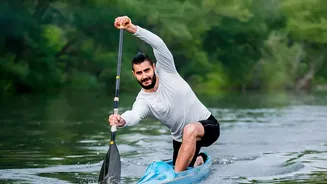
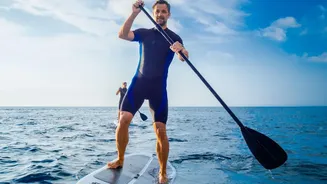
Kayaking and paddleboarding work your body in different ways. Kayaking primarily targets your upper body and core. The paddling motion is a symmetrical rotation: you dip one blade in the water, pull back while rotating your torso, and then repeat on the other side. This push-pull motion, driven by your core, makes it relatively easy to build momentum and travel in a straight line. Stand-up paddleboarding offers a more comprehensive, full-body workout. Proper technique involves keeping your back straight, hinging at your hips, and using your core to drive the single-bladed paddle through the water. Your legs and feet are constantly making micro-adjustments to maintain balance, so you're engaging everything from your toes to your shoulders.
The View and The Vibe: Seated vs. Standing
Your perspective on the water is a key difference. In a kayak, you are seated just above the water level. This gives you an intimate, low-profile view, allowing you to glide quietly near shorelines to spot wildlife. It's a comfortable, seated position that's ideal for longer paddles where you want to cover some distance. A paddleboard gives you a superior vantage point. Standing high above the water's surface allows you to see down into the water, spotting fish or underwater features you might miss from a kayak. This elevated position gives a unique feeling of walking on water and offers a more playful, open experience. You can easily sit, kneel, or even lie down on the board, making it feel like a personal floating platform.
Falling and Recovery: Getting Back Onboard
Falling off is a possibility with either activity, but it's far more common with paddleboarding. The good news is that getting back on a SUP is relatively straightforward. You simply swim to the side of the board near the center handle, kick your legs to propel yourself up, and slide back on, usually onto your stomach first. Falling out of a sit-on-top kayak is less likely, but recovery can be slightly more awkward. While also possible from the side, flipping a kayak back over and hoisting yourself into the seat requires a bit more effort than simply sliding onto a flat board. For this reason, many find SUPs more appealing for hot days when a quick swim is part of the plan.