



The Challenge of Monsoon Humidity
The core problem during the rainy season isn't just the lack of sunshine; it's the high humidity. When the air is already saturated with moisture, often above 80%, the water in your wet clothes has nowhere to go. Evaporation slows dramatically, turning
your home into a landscape of perpetually damp garments. This slow drying process is the perfect breeding ground for bacteria and mildew, which is what causes that distinct musty smell and can even lead to skin irritation or respiratory issues. Simply put, a change in strategy is required.
Create a Dedicated Drying Zone
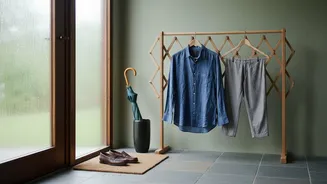
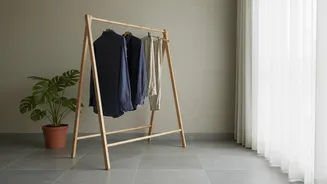
Instead of hanging clothes wherever there's a spare rod or doorknob, designate a single, well-ventilated area as your official monsoon drying zone. This could be a spare room, a corner of your living room, or a covered balcony. The ideal spot has good airflow. Position a foldable metal drying rack (which won't warp like wood) with ample space around it. Avoid bunching it up against a wall. If possible, choose a room where you can crack open a window to allow fresh air to circulate and moist air to escape. This dedicated space contains the moisture and makes your efforts more effective.
The Art of the Pre-Wash Sort
This is where 'deciding early' comes into play. Not all fabrics are created equal when it comes to drying. Before you start a load, sort your laundry not just by colour, but by fabric type and thickness. Lightweight synthetics, cotton blends, and linens dry much faster than heavy denims, thick towels, and woollens. Wash smaller, more frequent loads sorted by fabric type. This allows you to prioritise drying the items you need most urgently and ensures that a single pair of slow-drying jeans isn't holding an entire load of t-shirts hostage in dampness.
Essential Tools and Techniques
Your washing machine is your first line of defence. Use the highest spin cycle your clothes can tolerate; running a second spin cycle can remove a surprising amount of excess water before the clothes even see the rack. Once hung, ensure there's at least an inch of space between each garment to allow for air circulation. Hangers are excellent for shirts and blouses as they help the garment keep its shape and expose more surface area to the air. For an extra boost, position a pedestal or table fan to blow air across the clothes. Constant air movement is more critical than heat for indoor drying.
Banishing the Musty Smell
Preventing the musty odour is easier than removing it. One popular trick is to add about half a cup of white vinegar to your laundry's final rinse cycle. It acts as a natural antibacterial agent and deodoriser, neutralising smells without leaving a vinegary scent on the dry clothes. If clothes do end up with a damp smell, a wash with baking soda can help deodorise them. In your drying zone, placing a bowl of rock salt or a few pieces of chalk can help absorb ambient moisture from the air. Similarly, placing silica gel pouches or charcoal bags in your wardrobe keeps stored clothes fresh.
When You Need Something Dry Now
For laundry emergencies, a few hacks can save the day. The 'towel press' method involves laying a damp garment flat on a thick, dry towel, rolling them up together tightly, and pressing down to transfer moisture. For smaller items like socks or a single t-shirt, a hairdryer on low heat can be used for a quick dry, but be careful not to hold it too close to the fabric. As a last resort, ironing a slightly damp garment (with a protective cloth in between if it's delicate) can help drive out the final bit of moisture.