


Understand What You're Working With
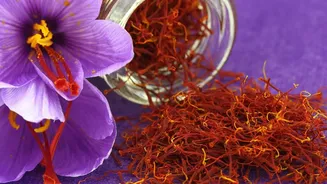
The magic of saffron comes from three main compounds: crocin for colour, picrocrocin for a slightly bitter taste, and safranal for that distinct, hay-like aroma. The goal of any good cook is to coax these compounds out of the dried threads and into the food.
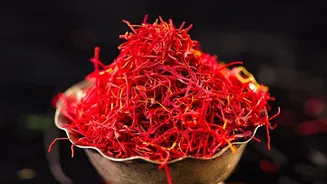
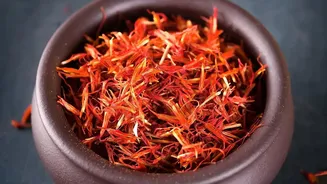
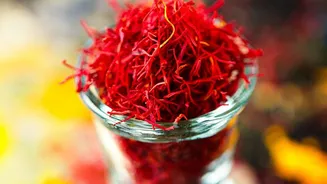
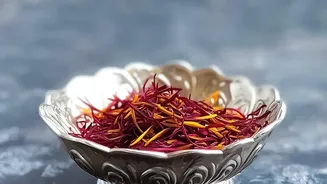
Simply tossing the threads directly into a hot pan is a common mistake that wastes much of this potential, as the flavour and scent remain locked inside the threads. Good quality saffron will consist of deep red threads, which have the highest concentration of these valuable compounds.
The Golden Rule: Bloom Your Saffron
The single most important step to release saffron's full aroma is to bloom it. This involves steeping the threads in a small amount of warm liquid before adding them to your recipe. This simple pre-soak rehydrates the threads, allowing their colour, flavour, and most importantly, their volatile aroma to infuse the liquid. This ensures the essence is distributed evenly throughout the dish, rather than creating uneven spots of flavour or colour. Just a few threads can transform a whole pot of rice or kheer when bloomed correctly.
Crush for Maximum Impact
For an even more potent release of aroma and colour, gently crush the saffron threads before blooming them. You can do this by rubbing them between your fingertips or, for best results, using a small mortar and pestle. Some cooks like to add a tiny pinch of sugar or salt during grinding, which provides friction and helps break down the threads into a fine powder, increasing the surface area for infusion. This ensures you get the absolute most out of every precious strand.
Temperature and Timing Are Key
Patience is a virtue when it comes to saffron. Use a liquid that is warm to the touch, but not boiling. Excessive heat can destroy the delicate aromatic compounds, particularly safranal, dulling the very fragrance you're trying to capture. Let the threads steep for at least 15 to 20 minutes. You’ll see the liquid transform into a deep, vibrant golden-orange, a clear sign that the saffron is ready to impart its magic to your dish. For a deeper infusion, some chefs even let it bloom for several hours.
Choose Your Liquid Wisely
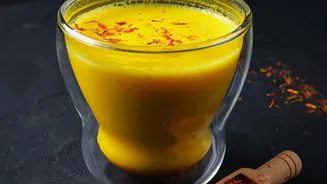
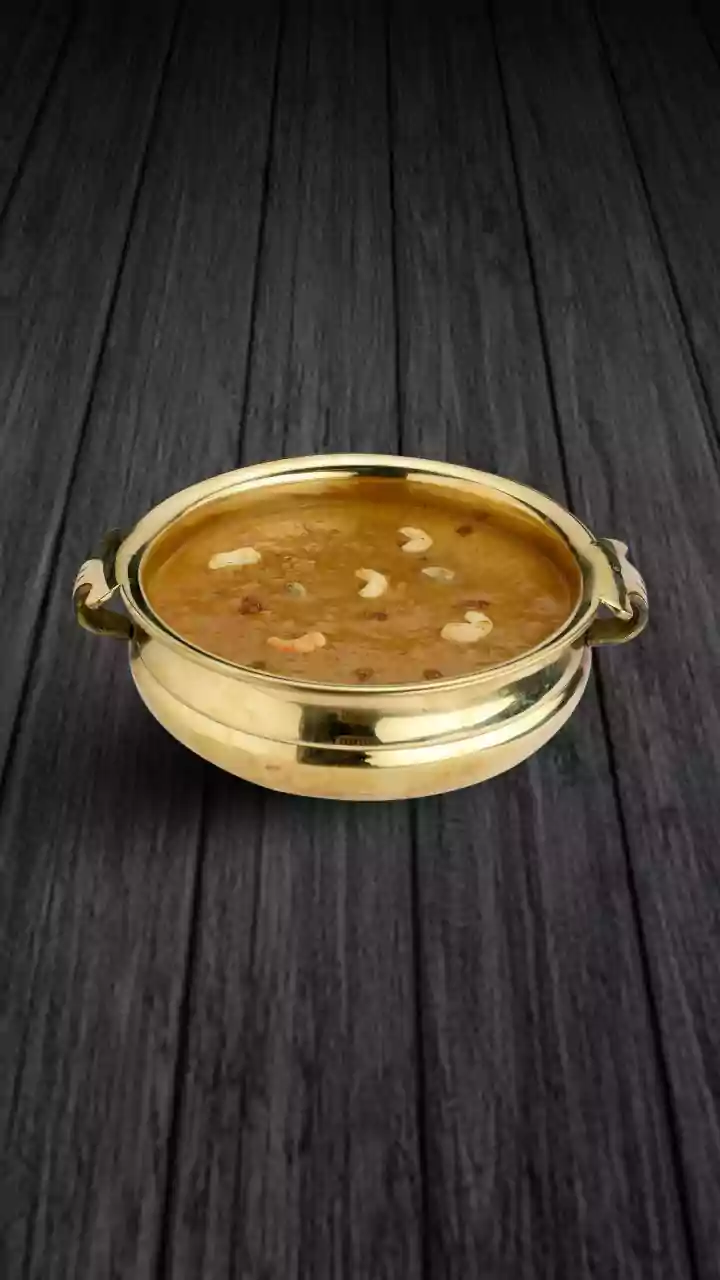
The liquid you choose for blooming will subtly influence the final dish. For savoury Indian preparations like biryani or pulao, warm water or broth is a perfect neutral base. For sweets like kheer, phirni, or festive drinks, blooming saffron in warm milk is the classic choice. The fat in the milk can carry saffron's aroma particularly well, creating a richer, creamier sensory experience. Always add the entire infusion—both the liquid and the softened threads—to your dish to ensure no flavour is left behind.
When to Add the Saffron
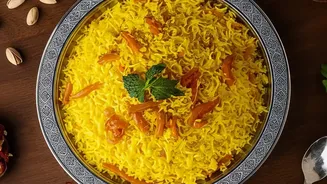
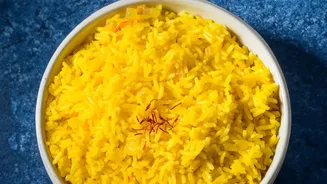
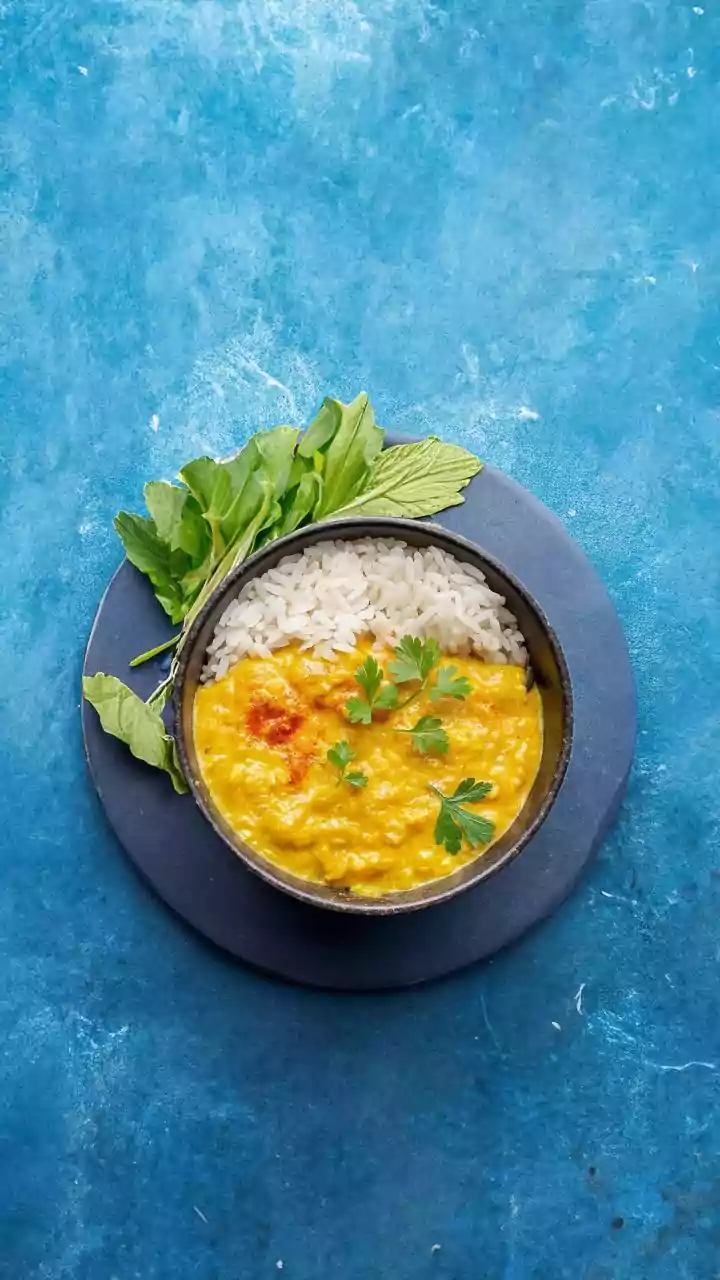
Because its aroma is volatile, timing is crucial. If you're making a long-cooking dish like a stew or curry, adding the saffron-infused liquid towards the end of the cooking process will help preserve more of its delicate fragrance. For rice dishes like biryani and pulao, the bloomed saffron milk or water is often drizzled over the top layer of rice just before the final 'dum' or steaming stage. This allows the steam to carry the aroma through the entire pot, creating a beautifully fragrant and evenly coloured dish.