






Why Fibre is Suddenly in the Spotlight
For years, dietary trends have come and gone, from low-carb and keto to a heavy emphasis on protein. Now, the focus is shifting to a more balanced and sustainable approach, with dietary fibre taking centre stage. This isn't the same old conversation about
just preventing constipation. The current trend, sometimes called 'fibermaxxing' on social media, is driven by a growing understanding of fibre's crucial role in overall wellness, particularly gut health. Experts and health-conscious individuals are recognising that fibre is essential for much more than regularity; it's a key player in maintaining a healthy body from the inside out, influencing everything from immunity to blood sugar levels.
The All-Important Gut Health Connection
The main reason for fibre's newfound popularity is its profound impact on the gut microbiome—the trillions of bacteria living in your digestive tract. Think of fibre as fuel for your good gut bacteria. When these beneficial microbes ferment certain types of fibre, they produce compounds called short-chain fatty acids (SCFAs). These SCFAs are powerhouses; they nourish the cells lining your colon, help reduce inflammation, strengthen your immune system, and may even play a role in protecting against chronic diseases. A diet rich in diverse plant fibres helps create a thriving gut environment, which is linked to better digestion, improved mood, and stronger overall health.
A Return to Traditional Indian Wisdom
For many in India, this trend is less of a new discovery and more of a return to roots. Traditional Indian diets have always been naturally rich in fibre. Staples like dals (lentils), legumes such as chana and rajma, whole grains including millets (jowar, bajra, ragi) and whole wheat atta are fibre powerhouses. Vegetables are central to Indian cuisine, with dishes like sabzi, sambar, and khichdi providing a healthy dose of fibre along with essential nutrients. Fruits like guava, papaya, and bananas are also common, fibre-rich options. The current global trend validates what Indian food wisdom has practiced for centuries: a plant-forward diet is fundamental to good health.
Easy Ways to Boost Your Fibre Intake
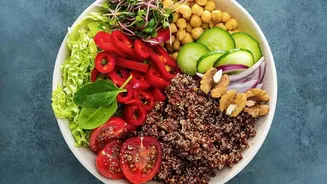
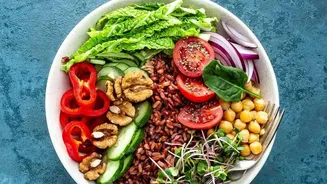
Increasing your fibre doesn't require a complete diet overhaul. Small, consistent swaps can make a big difference. Start by choosing whole grains over refined ones—opt for brown rice instead of white, and use whole wheat or millet flour for your rotis. Begin your day with a high-fibre breakfast like oatmeal or dalia, perhaps topped with some flax or chia seeds. Make it a habit to include at least one vegetable dish (sabzi) with every main meal and snack on whole fruits, nuts, or roasted chana instead of packaged snacks. Adding beans and lentils to salads or soups is another simple trick to effortlessly boost your daily fibre consumption.
A Word of Caution: Go Slow and Steady
While fibre is fantastic, it's important to increase your intake gradually. A sudden jump from a low-fibre to a high-fibre diet can lead to temporary discomfort like bloating and gas as your digestive system adjusts. Nutritionists recommend adding more fibre into your diet slowly over a couple of weeks. Just as importantly, remember to drink plenty of water. Fibre works by absorbing water, which helps it move smoothly through your digestive system. Without enough fluids, increasing fibre could actually lead to constipation. Aim to spread your fibre intake throughout the day rather than concentrating it in a single meal for better digestive comfort.