



The Rise of the Grab-and-Go Breakfast
In India and across the globe, the breakfast market is undergoing a significant transformation driven by a simple, powerful force: convenience. Hectic lifestyles, especially among urban professionals and young families, have shrunk the time available
for meal preparation. This has created a surge in demand for ready-to-eat options that don't compromise on perceived health benefits. Enter the frozen or refrigerated snack bar. These products are gaining immense traction as they offer a quick, easy, and portable breakfast solution. The global market for refrigerated and frozen snacks is expanding rapidly, with projections indicating billions in growth as consumers prioritize on-the-go food formats.
A Nutritional Showdown
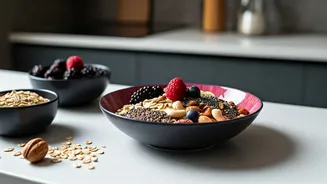
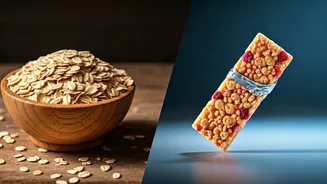
At first glance, both options seem healthy since they're oat-based. A bowl of traditional, unprocessed oatmeal is a nutritional powerhouse, packed with a soluble fiber called beta-glucan. This fiber is celebrated for its ability to lower cholesterol, stabilize blood sugar, and promote gut health. Homemade oats have a simple ingredient list, giving you full control over sugar and additions. Frozen oat bars, however, are a different story. While they contain oats, they are often highly processed. To achieve a desirable taste and a long shelf life, many bars are loaded with added sugars, sweeteners, and fats. A single bar can sometimes contain as much sugar as a cookie, leading to a potential blood sugar spike and crash, the very thing a good breakfast should prevent. It is crucial to read the label, as many products marketed as 'healthy' can be misleading.
The Convenience-Cost Trade-Off
The primary appeal of a frozen oat bar is undeniable: zero preparation time. You can grab it from the freezer or fridge and eat it on your way out the door. For those juggling morning commutes, school runs, and early meetings, this is a game-changer. Cooking oatmeal, even the 'instant' variety, requires a bowl, a spoon, and a few minutes you may not have. However, this convenience comes at a literal cost. On a per-serving basis, packaged bars are significantly more expensive than a bulk bag of rolled or steel-cut oats. Frugal shoppers have long known that the cheapest way to eat oatmeal is to buy it in its most basic form and prepare it yourself. You are, in essence, paying a premium for the convenience of not having to cook.
The Verdict: Evolution, Not Replacement
So, are traditional oats truly 'out'? The evidence suggests otherwise. The Indian breakfast market still values traditional and fresh options, but there is a growing segment that prioritizes speed. Rather than a replacement, frozen bars represent an evolution of the breakfast category, catering to a specific need for hyper-convenience. They are an alternative, not necessarily a successor. Traditional oatmeal, with its superior nutritional profile and lower cost, remains a fundamentally healthier choice for those who have the time to prepare it. Protein bars and other snack bars are excellent for specific situations like post-workout fuel or travel snacks, but they struggle to match the metabolic stability of a minimally processed whole-food breakfast.