

The Cardinal Sin of Sogginess
We’ve all been there. You craft a beautiful, vibrant salad or a rich, comforting soup. You sprinkle on toasted nuts, crispy croutons, or fried shallots, expecting a delightful textural contrast. But by the time it reaches the table, the crunch is gone,
replaced by a disappointing chewiness. The culprit isn't the topping itself, but the timing of its application. Adding a crunchy element too early is the single biggest mistake that leads to a soggy, texturally flat dish. The moisture from dressings, sauces, and steam is a natural enemy of crispiness, and giving them time to mingle is a guaranteed way to lose that satisfying snap.
A Little Bit of Food Science
The science behind this is simple: moisture migration. Dry, crunchy things are, by their nature, low in water content. Wet ingredients, like soups or salad dressings, are high in water content. When the two meet, nature seeks balance. Water molecules from the moist parts of the dish will inevitably travel into the dry, porous structure of your topping. Croutons, for example, act like tiny sponges, soaking up the liquid from dressing or the steam from hot soup. This process, known as moisture uptake, causes the rigid, brittle structure of the topping to soften and lose its crunch. It’s an irreversible process that turns your carefully prepared textural highlight into a soft afterthought.
Perfect Timing is Everything
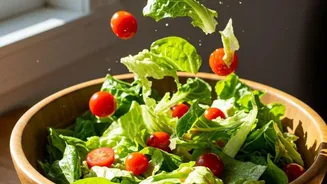
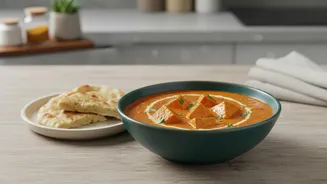
The solution is as simple as the problem is common: add your crunchy toppings at the very last moment. Think of it as the final flourish, the finishing touch before the dish is served. Are you plating a salad? Dress the greens first, toss them, plate them, and then sprinkle on those toasted pumpkin seeds or crumbled tortilla chips just before it leaves the kitchen. Is a creamy tomato soup on the menu? Ladle it into bowls, and then add your Parmesan crisps or garlic croutons right before you hand it to your guest. By minimizing the contact time between the wet and dry components, you ensure the topping retains its intended texture and delivers that exciting contrast that makes a dish feel complete and well-considered.
Crunchy Champions for Salads and Bowls
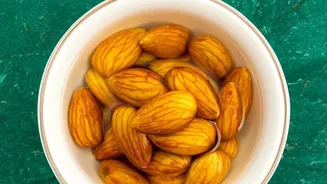
Move beyond basic croutons and explore a world of crunch. For salads and grain bowls, the possibilities are nearly endless. Toasted nuts like walnuts, almonds, or pistachios offer a classic, flavourful crunch. Seeds, such as sunflower, pumpkin, or sesame seeds, bring a more delicate texture. For a savoury, modern twist, try roasted chickpeas, which offer a hearty, satisfying bite. Crumbled tortilla or pita chips add a salty kick perfect for Southwestern or Mediterranean-inspired salads. And don't forget the power of raw or lightly cooked vegetables like finely chopped carrots, jicama, or bell peppers for a fresh, snappy texture.
Elevating Soups, Stews, and Pastas
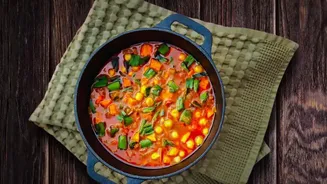
Hot and wet dishes are prime candidates for a last-minute textural boost. A sprinkle of toasted, garlic-infused breadcrumbs can transform a simple pasta dish. For creamy soups, consider toppings that add both flavour and crunch, like crispy fried shallots or onions, crumbled bacon, or even savoury granola. A handful of popcorn on top of a tomato soup is a playful and surprisingly effective choice. Toasted seeds or crushed nuts can be stirred into olive oil with fresh herbs to create a crunchy, flavourful drizzle that adds complexity to stews and puréed vegetable soups.
Don't Forget About Desserts
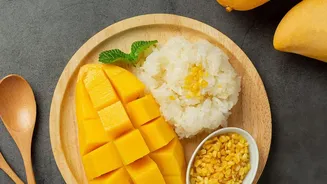
The same principle applies to the sweet side of the menu. A scoop of ice cream or a bowl of yogurt is instantly improved with a textural counterpoint. A sprinkle of granola, crushed waffle cones, or candied nuts can elevate a simple dessert. When serving a fruit crumble or crisp, consider adding a sprinkle of toasted oats or a crumble of shortbread cookie at the moment of serving to ensure maximum textural contrast against the soft, warm fruit. Even a simple chocolate mousse becomes more interesting with some cocoa nibs or shaved chocolate added just before the first spoonful.