



The Daily Commute: A Monsoon Gamble
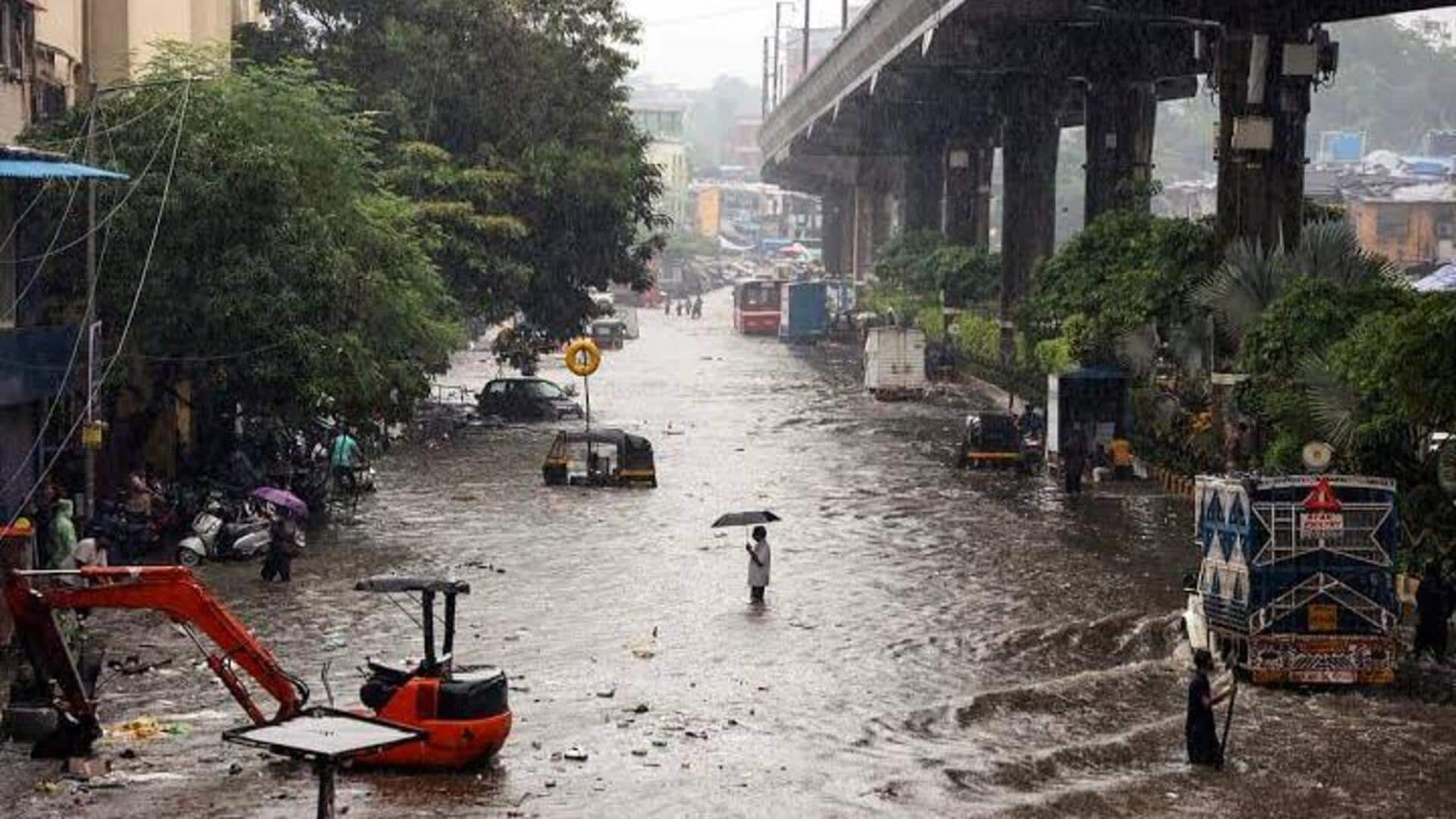
Every year, as the monsoon arrives, life in Mumbai transforms into a daily test of patience and endurance. The city that never sleeps is forced to slow down, often coming to a complete standstill. Recent days have been a testament to this, with torrential
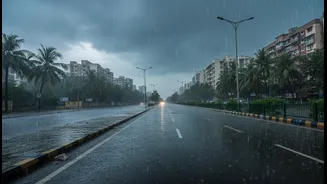
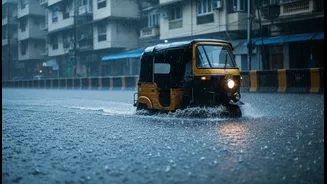
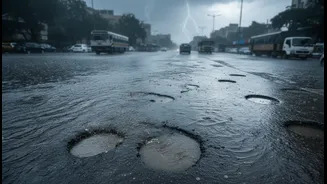
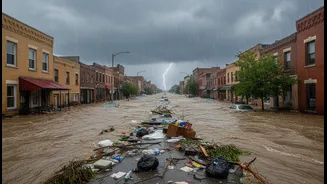
rains causing severe waterlogging and crippling traffic across the metropolis. Key arteries like the Western and Eastern Express Highways have seen long tailbacks, while crucial underpasses in areas like Andheri and Malad have become inaccessible. For residents, making a plan to go anywhere—whether for work or leisure—becomes a high-stakes gamble. You weigh the desire to be somewhere against the very real possibility of spending hours stranded in traffic, navigating flooded streets, or worse, damaging your vehicle on a submerged pothole.
Our Current Toolkit: Good, But Not Good Enough
Mumbaikars are resourceful. We juggle a dozen apps and websites before stepping out. Weather forecasts from the IMD, traffic updates on Google Maps, and alerts from the Mumbai Traffic Police are all part of the pre-travel ritual. The Brihanmumbai Municipal Corporation (BMC) has also launched initiatives like the 'Pothole QuickFix' app and a WhatsApp chatbot for citizens to report craters on the road. These tools are steps in the right direction, offering a way for citizens to report issues and for authorities to track them. However, they remain reactive. They tell you where the traffic jam is right now, or allow you to report a pothole that has already formed. They don't provide a predictive, holistic view of road conditions. A traffic app might show a green route, but it won't tell you that the 'clear' road is actually a minefield of freshly carved-out potholes hidden under a foot of water.
Beyond Inconvenience: The True Cost of Chaos
The problem extends far beyond simple inconvenience. The economic cost is staggering, with lost productivity from citizens stuck in traffic. There is a tangible cost to vehicle owners, who face expensive repairs for damages caused by bad roads. The recent deluge has seen major transport arteries like the Mumbai-Pune Expressway shut down due to landslides and flooding, severing a vital economic link. Moreover, the environmental impact of thousands of vehicles idling for hours contributes to air pollution. Perhaps the most overlooked cost is the mental and physical toll. The constant stress of navigating a crumbling infrastructure, the anxiety over safety, and the sheer exhaustion from a journey that takes three times longer than it should, all degrade the quality of life for millions.
From 'Smart City' Buzz to Smarter Priorities
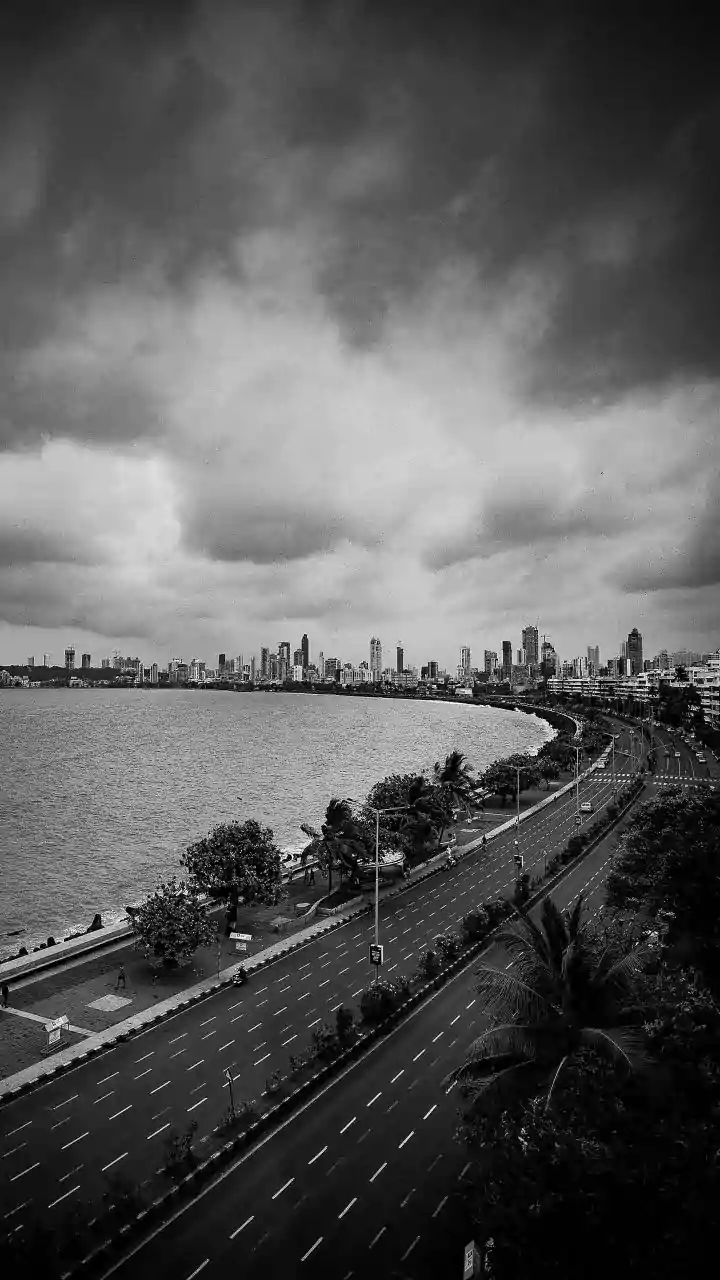
For years, Mumbai has been part of the 'Smart City' conversation, with billions invested in mega-projects like the Coastal Road, metro lines, and sea links. These projects are vital for the city's future, promising to enhance connectivity and reduce travel times. However, the headline-grabbing mega-projects often overshadow the fundamental need for resilient, well-maintained basic infrastructure. A truly smart city isn't just one with futuristic transport systems; it's a city that uses technology to solve the everyday problems of its citizens. While road concretisation projects are underway, their execution during monsoon and impact on existing structures like trees have also come under scrutiny. The focus must shift from merely building new things to intelligently managing what we already have.
Introducing 'Fo-Know': The Future of Urban Travel
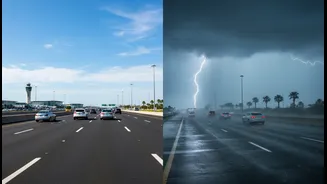
This is where the idea of 'Forecasts before FOMO' becomes a serious proposition. Imagine a unified digital platform that goes beyond traffic. A system that integrates real-time data from multiple sources: IMD's weather predictions, tide timings, live water-level sensors in underpasses, and crowd-sourced (and verified) reports on potholes and road quality. Instead of just showing traffic speed, it could provide a 'road safety score' for your intended route. It could predict which areas are likely to flood in the next two hours based on rainfall intensity and drainage capacity. This isn't science fiction; it is an application of the same smart technologies and data analytics that are being used to plan mega-projects. It’s about moving from Fear Of Missing Out to the confidence of 'Forecast-Know'—knowing exactly what you're getting into before you leave home.