


Understanding the Glucose Rollercoaster
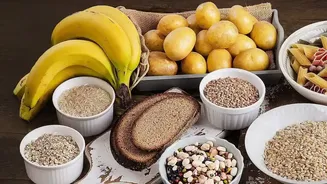
First, let's talk about glucose. When you eat carbohydrates—like rice, bread, or potatoes—your body breaks them down into glucose, a simple sugar that enters your bloodstream to be used for energy. A sudden influx of carbs can cause a rapid increase in blood sugar,
known as a glucose spike. Your body then releases insulin to manage this sugar. This rapid spike, followed by the insulin-driven drop, is what can cause that infamous energy crash, as well as cravings for more sugary food. Over time, frequent and large glucose spikes can be linked to more serious health concerns.
The 'Veggies First' Strategy
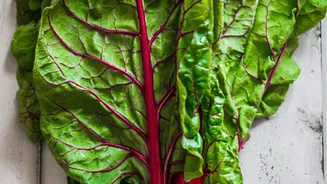
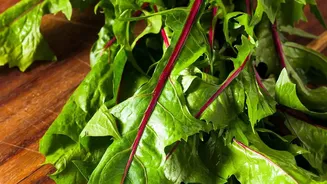
The idea is simple: begin your meal by eating a portion of vegetables, specifically raw leafy greens, before you touch any proteins, fats, or carbohydrates. This approach, often called food sequencing, has gained significant attention for its potential benefits. The claim is that these greens act as a kind of 'barrier,' slowing down what happens next in your digestive system. Studies have shown that people who eat vegetables or protein before carbohydrates have significantly lower post-meal glucose and insulin levels. This applies to individuals with and without diabetes, suggesting it's a beneficial strategy for almost everyone.
How Fiber Creates a 'Protective Mesh'
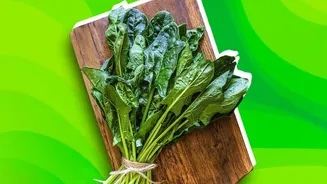
The term 'digestive barrier' is a simplified way of describing the powerful effect of fiber. Raw greens are packed with soluble fiber. When this fiber reaches your stomach, it dissolves in water and forms a thick, gel-like substance. You can think of this gel as a sticky mesh lining your upper intestine. This mesh physically slows down the rate at which your stomach empties. Consequently, any carbohydrates you eat afterwards are broken down and absorbed into the bloodstream much more gradually. Instead of a sharp spike, you get a gentler, more manageable curve in your blood sugar levels. This reduces the immediate demand for a large insulin response from your body.
Putting It Into Practice, Simply
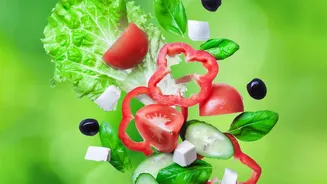
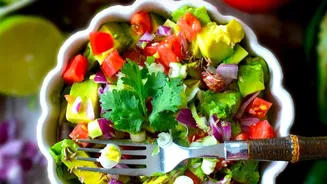
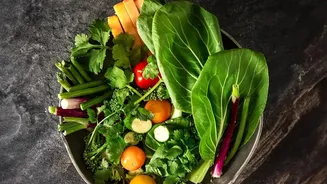
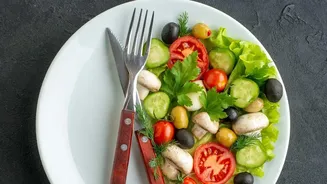
Incorporating this habit doesn't require a radical diet overhaul. Start your lunch or dinner with a simple side salad. A bowl of spinach, arugula, lettuce, or any mix of raw greens will work. Even a basic kachumber salad with cucumber, tomatoes, and onions offers valuable fiber. The key is to eat these vegetables first, on an empty stomach, before moving on to the main course. Aim for a decent portion that takes a few minutes to eat. You don't need to overthink the dressing, but be mindful of sugary options that could counteract your goal. A simple vinaigrette with olive oil and vinegar is a great choice. While raw greens are ideal for this specific mechanism, lightly steamed vegetables also provide benefits.
More Than Just Blood Sugar
The benefits of starting with greens extend beyond glucose control. The fiber content promotes a feeling of fullness, which can help with portion control and prevent overeating. Leafy greens are also nutritional powerhouses, packed with vitamins, minerals, and antioxidants that support everything from your immune system to heart health. Furthermore, this fiber is excellent for your overall gut health. It feeds the beneficial bacteria in your microbiome, contributing to better digestion and a stronger gut lining in the long run.