




The Science in the Skin
Before you dismiss this as just another gardening myth, let's look at the science. Banana peels are a fantastic source of essential nutrients that plants crave. They are particularly rich in potassium, a vital macronutrient that plays a crucial role in almost
every aspect of a plant's life. Potassium helps regulate water intake, strengthens stems, improves disease resistance, and, most importantly for flower lovers, it is essential for producing bigger, brighter blooms and developing fruits. Peels also contain smaller but still significant amounts of phosphorus, which supports root development and flowering, as well as magnesium and calcium, which aid in photosynthesis and overall plant structure. By turning the peels into a liquid, you make these nutrients readily available for your plants to absorb through their roots.
Method 1: The Simple Banana Peel 'Tea'
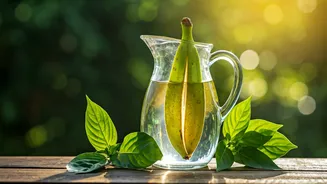
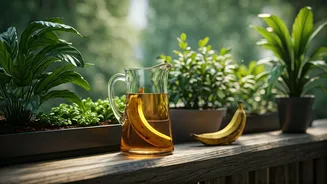
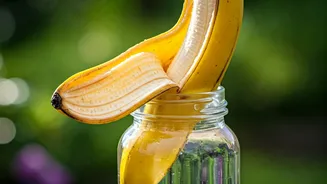
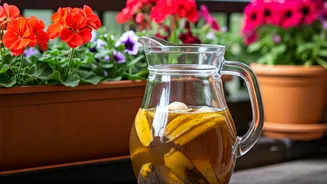
This is the easiest way to get started and requires minimal effort. It’s perfect for anyone new to homemade fertilizers. 1. Collect Your Peels: After eating a banana, don’t discard the peel. You can use one or collect several over a couple of days. 2. Find a Jar: Take a clean glass jar with a lid (an old jam jar is perfect) and fill it with water, leaving some space at the top. 3. Soak the Peels: Chop the banana peels into small pieces and add them to the water. The more you chop, the more surface area is exposed, allowing nutrients to leach out faster. Seal the jar. 4. Wait Patiently: Let the jar sit in a cool, dark place for anywhere from 48 hours to a week. The water will gradually turn a light brownish colour as the nutrients infuse into it. If you see any mould forming, it’s best to discard the batch and start again with a clean jar.
Method 2: The Potent Banana Slurry
If you want a more concentrated and faster-acting fertilizer, the slurry method is an excellent choice. This technique breaks down the peel's fibres completely, releasing nutrients more effectively. 1. Chop and Blend: Take one or two fresh banana peels and chop them into rough pieces. Place them in a blender. 2. Add Water: Add about 500-700 ml of water to the blender. 3. Blend Until Smooth: Blend the peels and water until you have a smooth, pourable liquid or a slightly pulpy slurry. There should be no large chunks left. This mixture can be used immediately, but because it is more concentrated, it needs to be applied carefully.
How to Use Your Liquid Gold
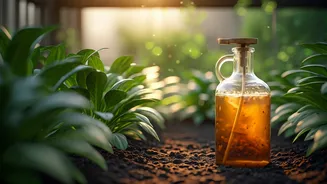
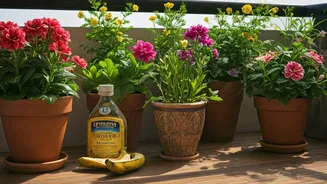
Proper application is key to seeing good results without harming your plants. For the banana 'tea,' strain the liquid to remove the solid peel pieces (you can add these to your compost). Use this tea to water your plants directly at the base, near the soil. Aim to do this once every 15-20 days. For the more potent banana slurry, you should dilute it. Mix one part slurry with two to three parts water before using it to water your plants. Using it undiluted can be too intense for some root systems. This liquid fertilizer is especially beneficial for flowering plants like hibiscus, bougainvillea, roses, and marigolds, as well as fruiting plants like tomatoes and chillies grown in pots.
Important Dos and Don'ts
To ensure success and avoid common pitfalls, keep these tips in mind. * DO use peels from organic bananas if possible, to avoid introducing pesticides into your soil. * DON'T overdo it. Fertilizing once every two to three weeks is plenty. Over-fertilizing can lead to nutrient burn and damage your plants. * DO watch out for pests. The sweet smell of banana can attract fruit flies or ants. Make sure to pour the liquid directly into the soil and avoid splashing it on leaves. Using the 'tea' method and discarding the peels reduces this risk. * DON'T rely on it exclusively. While banana peel fertilizer is a fantastic source of potassium, it is not a complete, balanced fertilizer. Your plants will still need a good quality potting mix and may benefit from other organic inputs that provide nitrogen for leafy growth.