

The Soul of Rustic Design
At its heart, rustic design celebrates the beauty of the natural world in its raw, unrefined state. The style prioritises organic materials, simple forms, and a sense of handmade authenticity. Think of a cosy cabin or a timeless farmhouse; the appeal
comes from a feeling of warmth, comfort, and connection to the outdoors. This aesthetic is built on materials that tell a story through their texture and imperfections, such as wood, stone, and natural fibres. The goal is to create a space that feels grounded, inviting, and effortlessly beautiful, where every element seems to have a history.
Wood's Natural Warmth and Character
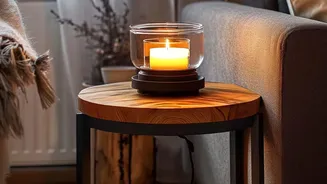
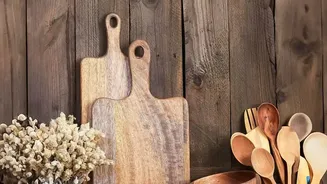
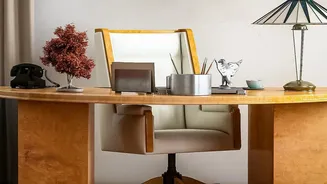
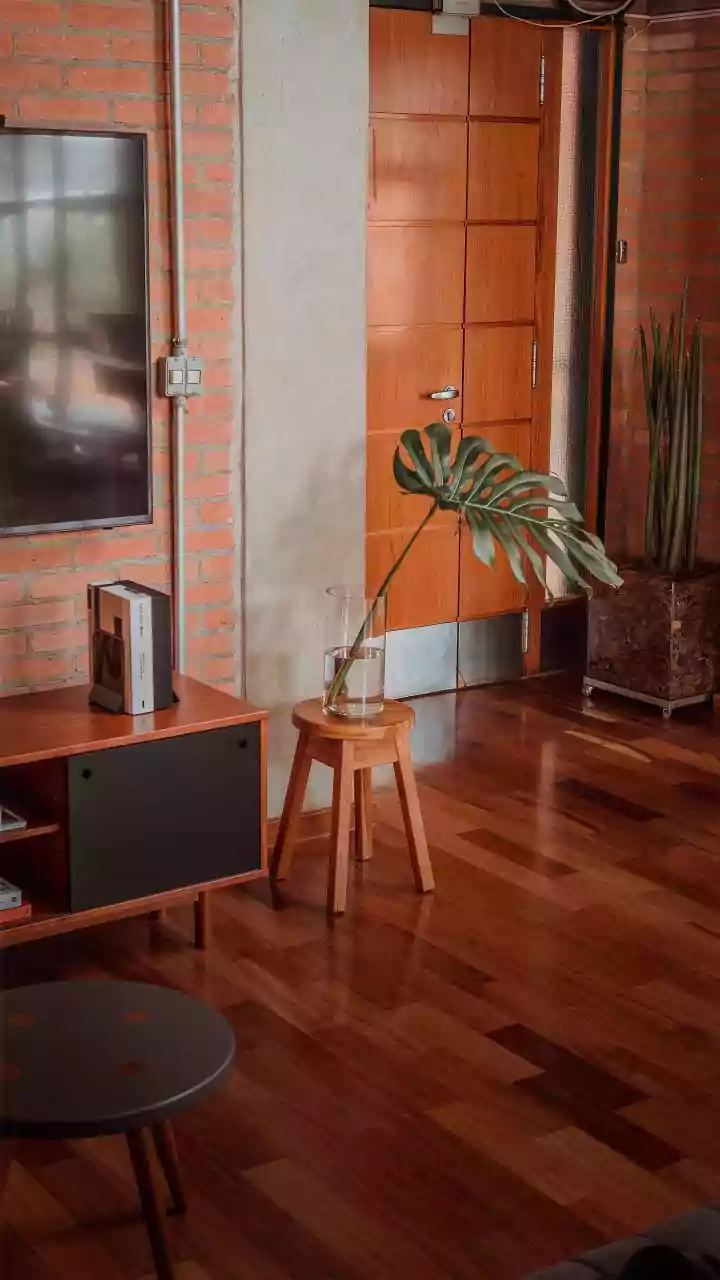
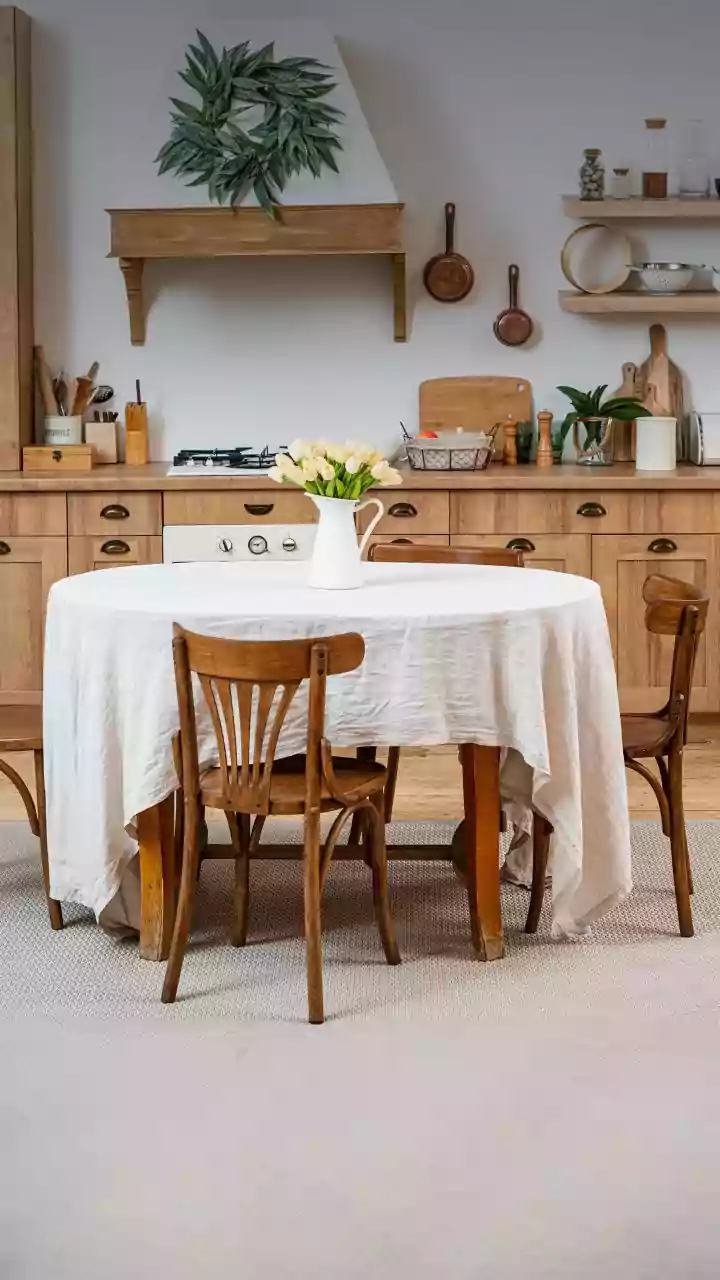
Wood is a cornerstone of rustic decor for good reason. Its natural grain, unique knots, and warm tones bring an immediate sense of life and history to a room. Whether it's reclaimed timber with a weathered finish or a solid piece of oak, wood connects us directly to nature. This material is versatile, fitting seamlessly into various rustic sub-styles, from modern farmhouse to classic country. Unlike mass-produced items, wooden pieces often have a handcrafted feel that reinforces the rustic ideal of authenticity and durability. A simple wooden stool or a chunky shelf does more than just serve a function; it adds a layer of organic texture and timeless charm.
Terracotta's Earthy, Timeless Appeal
Terracotta, which translates to 'baked earth,' brings its own unique magic. Its signature reddish-brown hue is inherently warm and earthy, evoking images of sun-drenched Mediterranean courtyards and traditional gardens. As a material, terracotta is porous, breathable, and has a tactile quality that feels comforting and real. Each pot has subtle variations in colour and texture, a testament to its handmade origins from natural clay. This inherent imperfection is what makes it so perfect for a rustic setting, as it adds character and a sense of permanence that highly polished materials lack.
The Perfect Pair: Why Wood and Terracotta Work
When you combine wood and terracotta, the result is a harmonious blend of earthy elements. Both materials share a natural origin and a warm colour palette, creating a cohesive and deeply authentic rustic look. A terracotta pot resting on a wooden surface feels like a natural composition. The fine grain of the wood complements the slightly rough texture of the clay, creating a balanced and visually interesting vignette. This combination works because neither material competes for attention; instead, they enhance each other, reinforcing the room's connection to nature and handcrafted tradition.
Where Metal Stands Can Fall Short
Metal stands certainly have their place in decor, particularly in modern, industrial, or minimalist designs where their sleek lines and cool finish are assets. However, in a truly rustic scheme, metal can sometimes feel out of place. The clean, manufactured look of most metal stands can contrast sharply with the organic, imperfect feel that rustic decor aims to achieve. While aged or wrought metals can be incorporated as accents in rustic design, a polished metal stand often introduces a contemporary coolness that can disrupt the cosy, warm atmosphere you're trying to build. It can look less like a natural part of the environment and more like a modern addition.
Bringing the Look Home
Integrating this combination into your space is simple and rewarding. Start by placing a large terracotta planter on a low, sturdy wooden stool to create a grounded focal point. Arrange a collection of smaller terracotta pots, perhaps with herbs, along a reclaimed wood shelf in the kitchen. On a living room side table, a single sculptural terracotta vessel next to a wooden lamp base creates a simple, elegant statement. Don't be afraid to mix different wood tones and pot sizes; the natural variation is part of the charm. The key is to let the materials speak for themselves, creating a space that feels calm, collected, and genuinely connected to the earth.