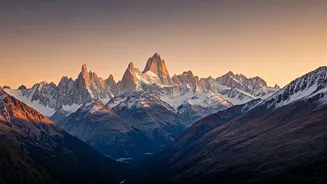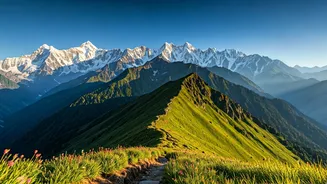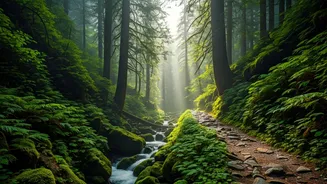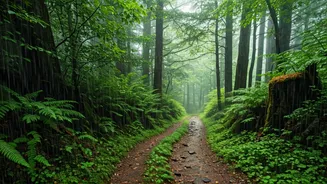





The Ethereal Valley of Flowers
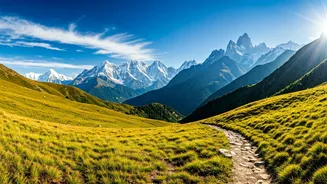
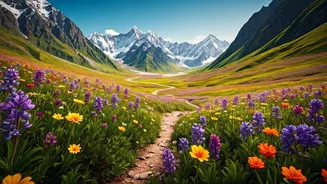
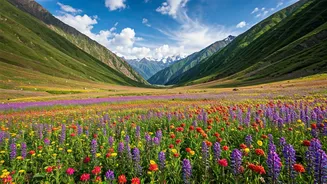
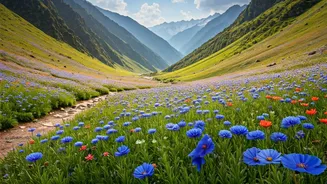
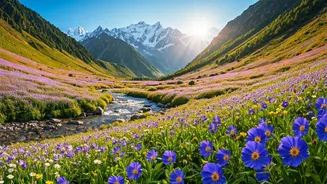
Perhaps the most famous of Uttarakhand’s seasonal treks, the Valley of Flowers National Park is a UNESCO World Heritage Site that truly lives up to its name. Typically opening to the public on June 1st each year, this high-altitude valley transforms into
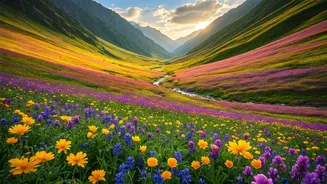
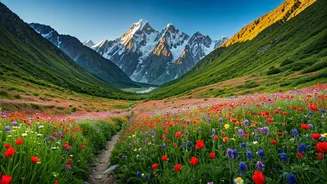
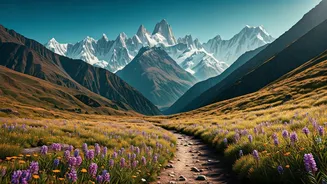
a vibrant carpet of over 500 species of alpine flowers, including the elusive blue poppy and the cobra lily. The trek itself is considered moderate, starting from the village of Govindghat and passing through Ghangaria, the base camp for both the valley and the revered Sikh shrine of Hemkund Sahib. The main trail into the valley is a relatively gentle walk of about 3-4 kilometres, but the visual reward is immeasurable. The Pushpawati River flows through the valley, flanked by snow-capped peaks, creating a scene straight out of a fairy tale. The best time to witness the full bloom is from mid-July to mid-August, making it a perfect monsoon trek when most other high-altitude routes are inaccessible.
Kedartal: The Reflecting Lake of Gods
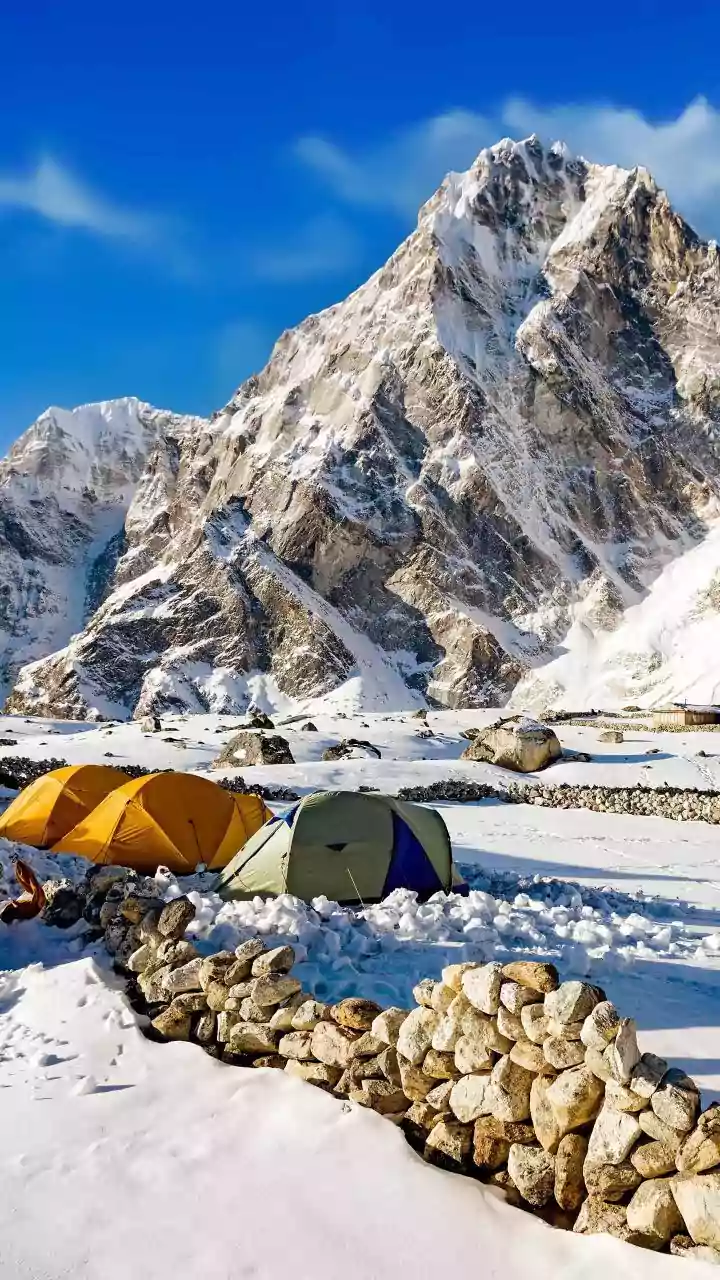
For those seeking a more challenging and starkly beautiful adventure, the Kedartal trek is a formidable option. This difficult trek takes you to the glacial lake of Kedartal (Lord Shiva's Lake), situated at a breathtaking altitude of over 15,000 feet. The trail begins from Gangotri, one of the Char Dham pilgrimage sites, and winds its way through pine and birch forests before opening up to a rocky, high-altitude desert. The main attraction is the pristine, emerald-green lake, which provides a stunning reflection of the majestic peaks of Thalaysagar and Bhrigupanth that tower over it. This is not a trek for beginners. It involves steep ascents, river crossings, and camping in harsh conditions, demanding excellent physical fitness and proper acclimatisation. The trekking season is short and best undertaken in two windows: from mid-May to June and again from September to mid-October, before the winter snows make the path impassable.
Har Ki Dun: The Valley of Gods
Steeped in mythology and culture, the Har Ki Dun trek is a journey back in time. Believed to be the path the Pandavas took on their ascent to heaven, this cradle-shaped valley offers a beautiful blend of natural beauty and local heritage. The trail is considered easy to moderate, making it accessible to families and beginners with a good level of fitness. It meanders through ancient villages like Osla and Seema, where you can witness the unique culture and wooden architecture of the local communities who claim descent from the Kauravas. The valley itself is a spectacular expanse of meadows, coniferous forests, and views of the Swargarohini peak. The trek usually takes around 7 days and is accessible from April to June and again from September to December. The post-monsoon season offers crystal-clear skies, while the pre-monsoon season is lush with greenery and rhododendron blooms.
Know Before You Go: Essential Tips
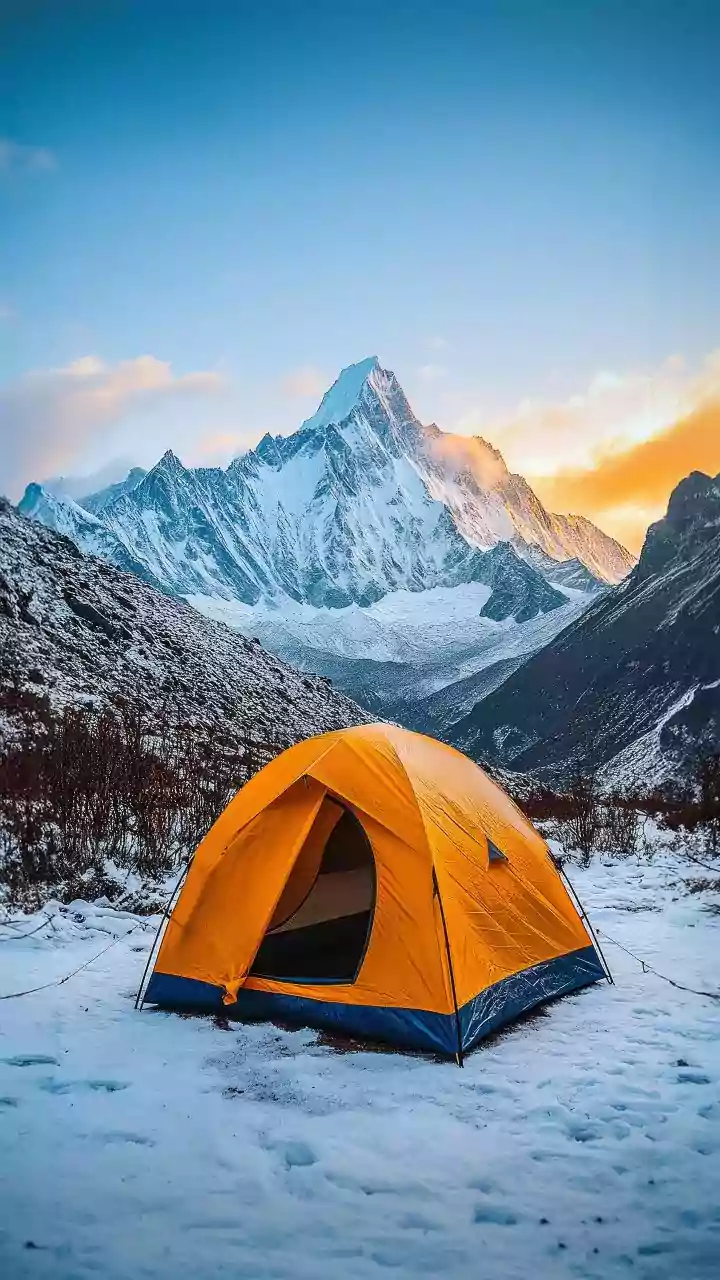
Embarking on a high-altitude trek requires preparation. First, acclimatisation is key. Spend at least a day at the starting point of your trek (like Gangotri or Joshimath) to allow your body to adjust to the lower oxygen levels. Second, always hire a certified local guide or go with a reputable trekking agency. They have invaluable knowledge of the terrain, weather patterns, and emergency procedures. Pack in layers, as mountain weather is notoriously fickle. Your gear should include a waterproof jacket, thermal wear, sturdy trekking shoes, a hat, and sunscreen. Most importantly, practice responsible tourism. Follow the principles of 'Leave No Trace' by carrying your waste back with you, respecting local customs, and minimising your impact on the fragile Himalayan ecosystem. Ensure you have the necessary permits, as most of these trails fall within national parks or protected areas.