



The Shifting Timetables of July
This July has been a dynamic month for train travellers, perfectly illustrating how quickly information becomes obsolete. For instance, due to track doubling work in the Aliyabad-Hapa-Jamnagar section, Western Railway and Southern Railway announced a host
of temporary changes. Services like the Jamnagar-Tirunelveli Express were partially cancelled or rescheduled, with departure times shifting. On July 30, the Porbandar-Thiruvananthapuram North Superfast Express was regulated by 40 minutes en route. Separately, to manage the rush for the Kanwar Yatra, Northern Railway announced special services and extensions of existing trains to Haridwar, running from July 30. Add to this the disruptions on Southern Railway routes due to maintenance blocks and the enhancement of Metro services in Kolkata from July 27, and a clear picture emerges: the schedule you confirmed last week might not be the schedule that runs today.
The Screenshot Trap: More Than Just Timings
The problem extends beyond just schedules. Indian Railways has explicitly clarified that a screenshot of a ticket is not considered valid proof of travel. Citing the risk of digital tampering and fraudulent sharing, TTEs are instructed to treat passengers with only a screenshot as potentially ticketless. This could lead to fines and the need to purchase a new ticket on the spot. The official rule is that passengers must show the ticket within the official IRCTC Rail Connect app, the confirmation SMS sent upon booking, or a physical printout. A static image cannot be authenticated against the live passenger manifest used by railway staff. Furthermore, a screenshot won't reflect last-minute changes, such as a platform alteration or a coach repositioning, which are communicated through live systems.
Why Information Is So Dynamic
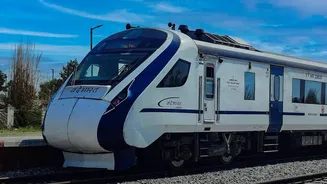
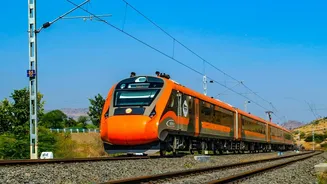
Railway networks are incredibly complex and fluid systems. Timings change for a multitude of reasons that a simple screenshot can never capture. Track maintenance and infrastructure upgrades, like the doubling work in Gujarat, are a primary cause for temporary cancellations, diversions, and rescheduling. Special events or festivals, such as the Kanwar Yatra, necessitate the introduction of new services and alteration of existing routes to manage pilgrim traffic. Weather events, operational challenges, and even the introduction of faster trains like the Vande Bharat and Amrit Bharat services under new timetables can lead to cascading adjustments across the network. Relying on information that isn't drawn from a live, official source means you are betting against all these variables, and the odds are not in your favour.
Your Modern Travel Checklist
So, how do you stay ahead of the changes and ensure a smooth journey? The key is to abandon static information and embrace live data. First, always use the official IRCTC Rail Connect app for booking and managing your tickets. This is your primary source of truth. Second, make a habit of checking the live running status of your train on the National Train Enquiry System (NTES) app or website before you leave for the station and even during your journey. The NTES provides real-time updates on delays, cancellations, and expected arrival times. Third, always have your PNR number handy. You can use it to verify your ticket's status and details at any time. Finally, ensure your phone has enough battery to display your e-ticket or SMS confirmation when required by the TTE. A printout remains a reliable, power-free backup.