





The Great Monsoon Retreat
The single biggest reason for October's transitional nature is the withdrawal of the mighty Southwest Monsoon. After drenching the subcontinent for about four months, this massive weather system begins its retreat. The process starts in the northwestern
states like Rajasthan around mid-September and progresses southeastward across the country through October. This withdrawal is marked by a significant change in wind patterns and a reduction in atmospheric moisture. A high-pressure system gradually replaces the low-pressure trough that dominated the northern plains, causing the moisture-laden winds to weaken and recede. By the time October is in full swing, most of North and Central India have bid farewell to the monsoon, welcoming clearer skies.
The Infamous 'October Heat'
Just as the rains depart, many parts of India, particularly the northern plains and western regions like Maharashtra and Gujarat, experience a phenomenon known as 'October Heat'. This isn't a return to the dry, scorching heat of May or June. Instead, it’s a uniquely uncomfortable combination of high temperatures and high humidity. As the monsoon clouds disappear, the sun's rays beat down intensely on land that is still saturated with moisture from the preceding rainy months. This combination of clear skies, high temperatures, and lingering humidity creates an oppressive and sticky feeling during the day, even as the nights begin to grow cooler and more pleasant.
A Second Monsoon for the South
While North India dries out, a completely different story unfolds in the southern peninsula. October marks the beginning of the Northeast Monsoon, also known as the 'retreating monsoon'. As the winds over the northern landmass reverse, they start blowing from the northeast. Initially dry, these winds pick up moisture as they cross the Bay of Bengal and then release it over the southeastern coast. This brings a significant period of rainfall from October to December to states like Tamil Nadu, parts of Andhra Pradesh, Kerala, and Karnataka. For Tamil Nadu in particular, which lies in the rain-shadow region of the Western Ghats during the Southwest Monsoon, this season is crucial, delivering a large portion of its annual rainfall.
A Country of Contrasts
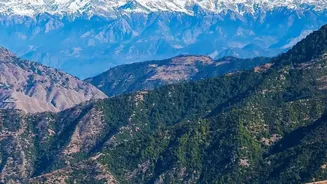
The result of these overlapping phenomena is a month of stark climatic contrasts. In October, it's entirely possible for someone in Delhi or Jaipur to be enjoying warm, sunny, and dry days, perfect for post-monsoon travel. At the same time, someone in Chennai or along the coast of Andhra Pradesh could be experiencing heavy downpours from the Northeast Monsoon. Meanwhile, the Himalayan states begin to experience a distinct chill, with some higher reaches even receiving their first snowfall of the season. This regional diversity is the hallmark of October's transitional character. The month doesn't represent a single weather pattern but a dynamic shift, with different parts of the country moving from one season to another at their own pace.