


A Health-Conscious Twist on a Classic
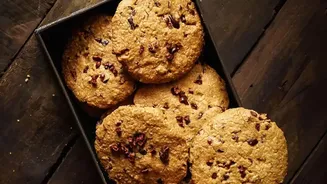
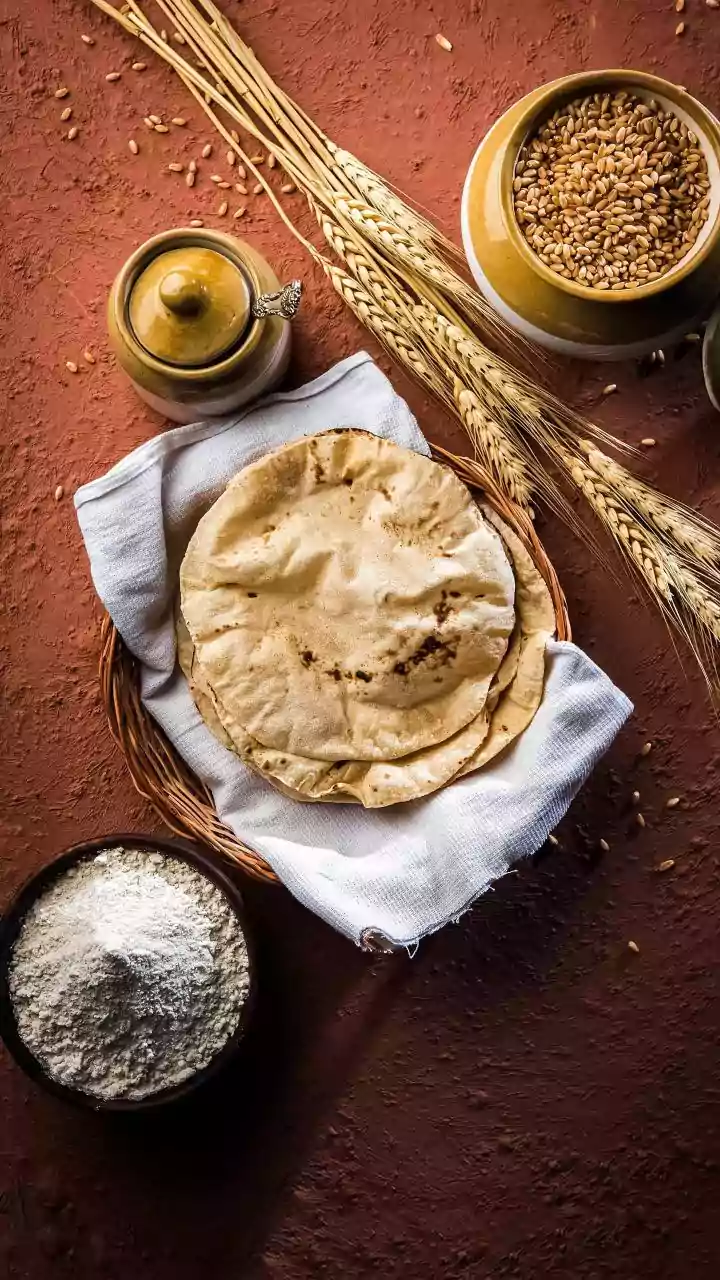
The familiar joy of a buttery, crumbly cookie is a universal pleasure. But as health consciousness rises across India, consumers are looking for ways to indulge without the guilt. Enter the millet revolution, which has moved from kitchen staples like
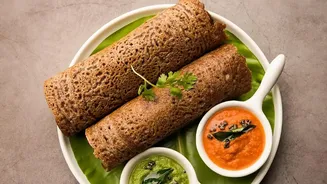
rotis to the baker's shelf. Local bakeries and even larger brands are tapping into this trend by reformulating classic cookie recipes. Instead of relying solely on maida (refined wheat flour), they are incorporating ragi (finger millet) and jowar (sorghum) flours. This shift isn't just about jumping on a health trend; it's a creative re-imagination of a beloved snack, making it more nutritious and appealing to a modern, label-reading audience.
The Nutritional Power of Ancient Grains
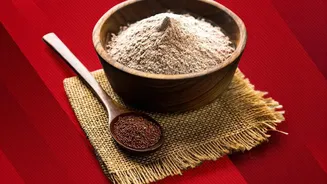
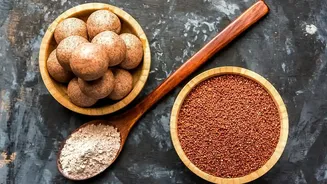
So, why these specific millets? Ragi and jowar are considered superfoods for good reason. Both are naturally gluten-free, making them suitable for people with gluten sensitivities. They are packed with dietary fiber, which aids digestion and promotes a feeling of fullness, helping to manage weight and prevent mindless snacking. Ragi is a standout source of calcium and iron, essential for bone health and energy levels. Jowar is also rich in antioxidants and protein. A significant benefit for many is their low glycemic index, which means they release sugar into the bloodstream slowly. This helps prevent the sharp energy spikes and crashes associated with sugary, refined-flour snacks, making them a smarter choice for sustained energy.
The Baker's Art: Mastering Taste and Texture
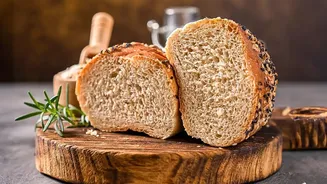
Baking with millet flours is both an art and a science. These flours behave differently from wheat flour. They are denser and absorb moisture differently, and their lack of gluten means they don't provide the same structure. Bakers have to skillfully adapt their recipes, often blending millet flours with whole wheat or other binders to achieve the perfect texture. Jowar has a mild, slightly nutty flavour, while ragi has a more distinct, earthy taste. To balance these flavours, bakers often use complementary ingredients like jaggery instead of refined sugar, along with nuts, seeds, and spices like cardamom. The result is a cookie that is often denser and more crumbly than its maida-based counterpart, offering a rustic and satisfying bite that feels both wholesome and delicious.
More Than a Trend, A Return to Roots
The embrace of millets in baking is part of a larger cultural shift in India. There is a growing appreciation for traditional, indigenous ingredients that have been part of Indian diets for centuries. This movement is driven by a desire for food that is not only healthy but also sustainable and rooted in Indian culinary heritage. Government initiatives promoting millets have also significantly boosted awareness and availability. For many consumers, choosing a ragi or jowar cookie is not just a health choice; it's a way of connecting with a food tradition that is both ancient and newly relevant. It represents a move away from highly processed, industrial foods towards more natural and mindfully produced alternatives.
The Verdict from India's Cookie Lovers
The response from consumers has been overwhelmingly positive. The market for millet-based snacks is one of the fastest-growing segments in the health food space in India. People are actively seeking out snacks that deliver on both taste and nutrition. Brands ranging from gourmet chocolatiers to dedicated millet-focused startups and even large FMCG companies are finding success with these products. These new-age cookies appeal to everyone from parents looking for healthier snacks for their children to fitness enthusiasts and those managing health conditions like diabetes. The consensus is clear: if a cookie can be delicious while also providing fiber, minerals, and sustained energy, it's a win-win for everyone.