





More Than Just Rocks and Cacti
When you hear “low-water gardening,” you might picture a stark landscape of gravel and a few lonely succulents. While those can be part of the picture, the modern approach, often called 'xeriscaping', is far richer and more diverse. It’s a design philosophy
centred on working with, not against, the local environment. The core idea is to create a beautiful, thriving garden that requires minimal supplemental irrigation. This is achieved through intelligent design, soil improvement, and, most importantly, choosing plants that are naturally suited to the climate. It’s about creating lush, textured, and colourful gardens that are resilient by nature.
The Ecological Advantage
The most obvious benefit is water conservation, which reduces the strain on local resources and lowers utility bills. But the positive impacts go much deeper. A well-designed, water-wise garden can significantly reduce stormwater runoff, helping to recharge groundwater instead of overwhelming drainage systems. Because native and climate-adapted plants have evolved to thrive without constant intervention, they require fewer fertilizers and pesticides. This prevents harmful chemical runoff into waterways. Furthermore, by incorporating native plants, these gardens become vital habitats, supporting local pollinators like bees and butterflies and increasing biodiversity in your own backyard.
Less Work, More Beauty
A major driver of this gardening shift is the appeal of a low-maintenance lifestyle. A garden filled with drought-tolerant plants frees you from the daily chore of watering. These hardy plants also require less pruning, feeding, and general fuss, saving you time, effort, and money on maintenance costs. This isn't about neglecting your garden; it's about making smarter choices that lead to a self-sufficient landscape. The aesthetic is another key factor. Low-water gardens offer a unique visual appeal with diverse textures, forms, and colours, from the silvery foliage of grasses to the vibrant blooms of perennials that thrive in the heat. It’s a move towards a more natural, less manicured look that feels both modern and timeless.
Principles for Getting Started
Adopting a low-water approach doesn't require a complete overhaul overnight. It starts with a few key principles. First, plan your design by observing your space—note areas of sun and shade. Second, improve your soil with organic matter like compost, which helps it act like a sponge, retaining moisture where roots can access it. Third, group plants together according to their water needs; this is a core tenet of efficient watering. Fourth, use mulch (like wood chips or bark) to cover bare soil. Mulch is a superhero in the garden—it retains moisture, suppresses weeds, and regulates soil temperature. Finally, limit lawn areas to only where they are truly functional, as turf is often the thirstiest part of a landscape.
A Resilient Palette for Indian Gardens
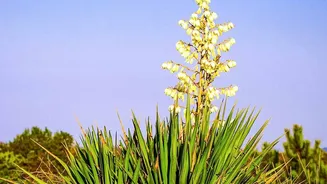
India’s diverse climates offer a vast palette for low-water gardening. This isn't just about plants from arid regions. In many areas, iconic and beautiful plants are naturally drought-tolerant once established. Think of the vibrant cascades of Bougainvillea, the colourful clusters of Lantana, or the architectural shapes of Agave and Yucca. Native grasses can add soft texture and movement. Many traditional flowering plants like Marigolds and Zinnias are also surprisingly resilient in sunny, dry conditions. The key is to choose varieties adapted to your specific region’s rainfall patterns and soil type, creating a garden that not only survives but truly thrives with less intervention.