


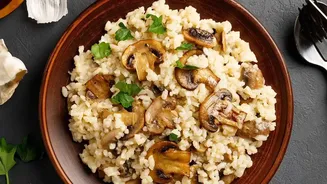

From Garnish to Main Event
Mushrooms are undergoing a major culinary transformation. Once relegated to the background, they are now being celebrated as a centrepiece ingredient by chefs and home cooks alike. In India, the mushroom market is experiencing significant growth, driven
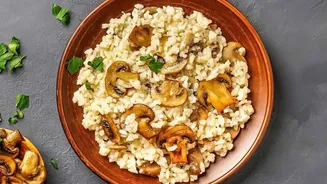
by rising health awareness and changing dietary preferences. Major restaurant chains are reporting increased consumption of mushroom-topped dishes, and a significant portion of total volume is now flowing to hotels and restaurants in metro cities. This shift is also visible at the high end of dining, where Michelin Guide inspectors note that mushrooms are increasingly being treated as main characters, not just garnishes. This newfound status is a testament to their incredible versatility and flavour.
The Power of Umami
One of the biggest reasons for the mushroom's ascent is its rich, savoury flavour, known as umami. This fifth basic taste, often described as meaty or brothy, makes mushrooms an incredibly satisfying food. Glutamate, a naturally occurring amino acid, is responsible for this deep flavour, which is particularly potent in varieties like shiitake and portobello. This umami quality allows mushrooms to serve as a compelling substitute for meat, providing a hearty texture and depth of flavour that can satisfy even dedicated carnivores. Chefs are leveraging this by using thick-cut king trumpet mushrooms to mimic scallops or creating flavourful burgers from portobello caps.
A Nutritional Powerhouse
The mushroom boom is also fuelled by a growing focus on health and wellness. Mushrooms are low in calories and fat but packed with essential nutrients. They are a great source of B vitamins, potassium, and antioxidants like selenium. Furthermore, they are one of the few non-animal sources of vitamin D, a crucial nutrient for bone health and immune function that can be boosted by exposing mushrooms to sunlight. The rise of 'functional foods' has also put a spotlight on varieties like reishi and lion's mane, which are now appearing in everything from coffee to protein drinks, lauded for their potential to support immune, brain, and heart health.
The Sustainable Choice
As consumers become more environmentally conscious, the sustainability of their food choices is a growing concern. Mushroom cultivation stands out as a far more eco-friendly option compared to traditional livestock farming. Producing a pound of mushrooms requires significantly less water, land, and energy. For instance, it takes less than one gallon of water to produce a pound of mushrooms, compared to over 2,000 gallons for a pound of beef. Mushroom farming also generates far fewer greenhouse gas emissions and can utilize agricultural waste as a growth medium, supporting a circular economy. This low environmental footprint makes mushrooms an attractive choice for those looking to eat more sustainably without sacrificing flavour.
A World of Variety
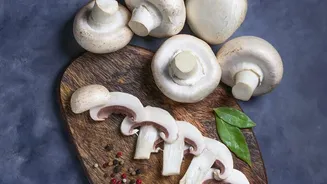
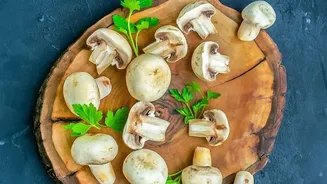
The mushroom renaissance is also about diversity. For years, the button mushroom dominated supermarket shelves, but that is rapidly changing. Consumers and chefs now have access to a wide array of specialty mushrooms, each with a unique texture and flavour profile. Smoky and intense shiitakes are perfect for stir-fries, while tender oyster mushrooms can be fried to a crisp perfection. Meaty portobellos make for great burger patties, and the firm-stemmed king oyster mushroom can be sliced and seared like a scallop. This growing availability fuels culinary creativity and encourages a more adventurous approach to cooking, both in restaurants and at home.