




1. The Solid, Bold Colour
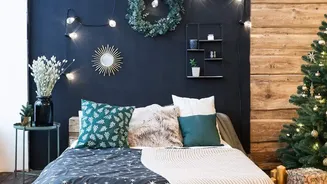
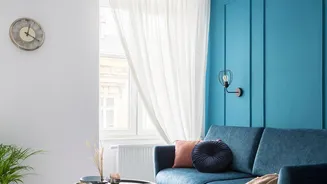
This is the most classic and straightforward approach to an accent wall. Painting one wall in a bold, contrasting colour instantly creates a focal point and adds drama to a space. Deep, moody hues like navy blue, charcoal grey, or forest green are popular
choices that create a sense of sophistication and intimacy. These colours work especially well behind a sofa in a living room or a headboard in a bedroom, anchoring the room's main furniture. When choosing a colour, consider the room's lighting and existing decor to ensure it complements the space. For a high-impact look, select the wall that you see first upon entering the room.
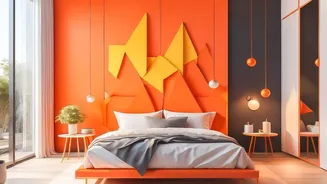
2. The Geometric Statement
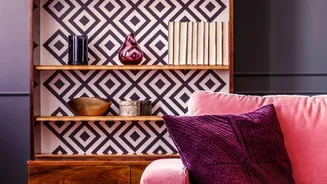
For a more dynamic and modern look, a geometric design is a fantastic option. Using painter's tape, you can create a unique pattern of triangles, chevrons, or abstract shapes. The key to this technique is planning and precision. Start by sketching your design on paper. Before you begin, ensure your wall is clean and has a solid base coat. Apply high-quality painter's tape, pressing the edges down firmly to prevent paint from bleeding underneath. This will help you achieve crisp, sharp lines. Paint within the taped sections using one or more complementary colours. For the best results, remove the tape while the final coat of paint is still slightly wet, pulling it off slowly at a 45-degree angle.
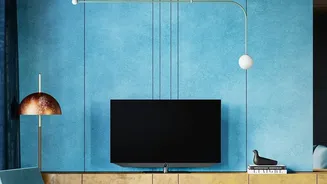
3. Textured Limewash Finish
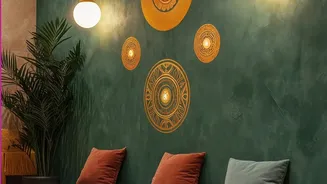
If you're after a softer, more organic feel, a limewash finish provides a beautiful, chalky texture with subtle movement. This finish, reminiscent of old-world plaster, adds depth and warmth to a room. While traditional limewash is for porous surfaces like brick, you can achieve a similar effect on drywall using specific primers and techniques. The application involves using a large block brush and applying the limewash in a random, cross-hatching pattern. This technique creates a cloudy, layered appearance that changes with the light. Limewash typically goes on dark and dries significantly lighter, so it's a process of building up thin coats until you reach your desired effect. The result is a velvety, matte surface that feels both rustic and sophisticated.
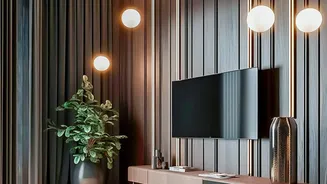
4. Vertical Panels or Stripes
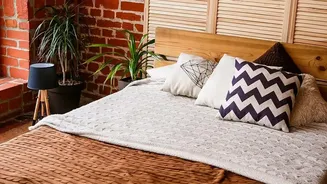
Using vertical elements on an accent wall is a classic design trick to make a room feel taller and more spacious. This can be achieved with simple painted stripes or by installing materials like shiplap, board and batten, or wood slats. Vertical board and batten, where thin strips of wood are placed in a grid on the wall and then painted a single colour, adds architectural interest without being overwhelming. For a more modern aesthetic, vertical wood slats in a natural finish can add warmth and texture, creating a look that is both clean and high-end. These techniques work wonderfully in entryways, behind a bed, or in living rooms with lower ceilings.
5. What You Need to Know Before You Start
Proper preparation is the most critical step for any accent wall project. Always start by cleaning the wall to remove dust and grease. Use painter's tape to mask off ceilings, baseboards, and adjacent walls. For geometric designs, a quality tape is essential; brands with paint-blocking technology can help ensure sharp lines. When choosing a wall, pick one that serves as a natural focal point, such as the wall behind your bed or fireplace, and avoid walls with too many doors or windows. It’s also wise to consider scale; a small, busy pattern might overwhelm a small room, while a single bold colour can anchor a large, open space. Finally, don't be afraid to test your ideas first, whether it's with paint samples or by taping out a pattern to see how it looks in your space.