


A Shift in Global Thinking
For years, nutrition advice has been built on a simple foundation: eat a balanced diet from all major food groups. The latest State of Food Security and Nutrition in the World (SOFI) report, a landmark annual publication by five UN agencies, doesn't dispute
this, but it adds a critical layer of nuance. The report, synthesising global data, suggests we've been focusing too much on simply ticking off the food groups (grains, vegetables, fruits, proteins, dairy) and not enough on the diversity within them. It moves the conversation from quantity of groups to the quality and variety inside each one.
Why Variety Within Groups Matters
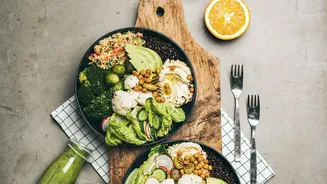
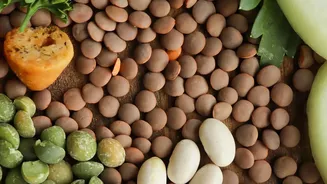
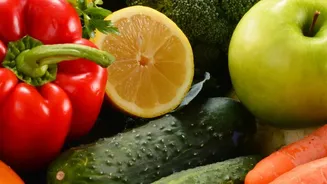
The report highlights that different foods within the same group offer unique profiles of micronutrients, fibre, and bioactive compounds. For instance, eating only potatoes and onions for your vegetable intake is far less beneficial than a diet that also includes leafy greens, red peppers, carrots, and cruciferous vegetables like broccoli. Each provides different vitamins and antioxidants. The same logic applies to proteins; a diet relying on a single type of dal is less robust than one including a variety of lentils, beans, and, for non-vegetarians, eggs or fish. The 2026 analysis links greater 'intra-group variety' to better health outcomes, including lower risks of chronic diseases.
The Affordability Crisis
A major focus of the 2026 report is the staggering cost of a truly healthy, diverse diet. It confirms that while staple foods like rice and wheat are relatively cheap sources of calories, nutrient-dense foods are not. Fruits, vegetables, and animal-source proteins account for a disproportionately high percentage of the cost of a healthy food basket. The report states that globally, nearly 2.7 billion people cannot afford a healthy diet, a reality that hits developing nations like India particularly hard. This economic barrier is the single biggest obstacle to achieving the dietary diversity the report recommends, creating a gap between nutritional advice and real-world feasibility for millions.
The Indian Context
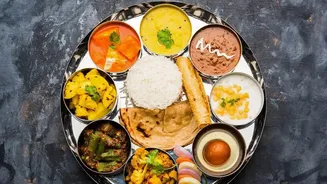
In India, traditional diets are often rich in plant-based diversity, from a wide array of dals and millets to seasonal vegetables. However, modern dietary patterns, urbanisation, and the rising cost of fresh produce are threatening this. The UN report's findings serve as a warning against simplifying our plates. While progress is being made on tackling hunger, the challenge of the 'triple burden of malnutrition'—undernutrition, micronutrient deficiencies, and rising obesity—is a key concern. The report's emphasis on dietary quality is particularly relevant for India, where anaemia and other micronutrient deficiencies remain widespread despite sufficient calorie intake for many.
What This Means for Your Plate
The key takeaway from the report is not to abandon the food groups model but to enhance it. The goal is to 'eat the rainbow,' and not just in the fruit and vegetable aisle. Think about rotating the types of grains you eat, perhaps incorporating millets like jowar or bajra alongside wheat and rice. When you buy dals, try to get two or three different types instead of just one. Explore different seasonal vegetables available in your local market. The report isn't calling for a radical overhaul but a mindful upgrade. It’s an encouragement to see every meal as an opportunity to introduce more variety, making your diet more resilient and your body better nourished.