




Rajasthan's Forgotten Open-Air Art Gallery
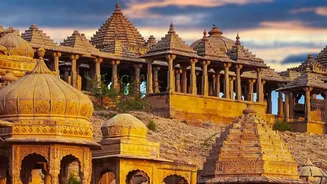
Tucked away in the triangle between Delhi, Jaipur, and Bikaner lies the Shekhawati region, a semi-arid landscape bursting with unexpected colour. It's often called India's "open-air art gallery," and for good reason. The towns here, like Mandawa, Nawalgarh,
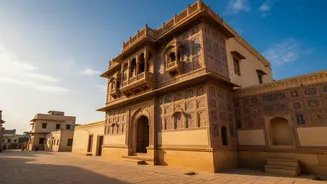
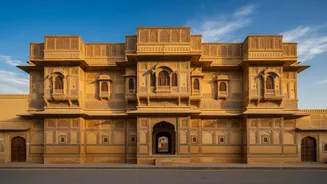
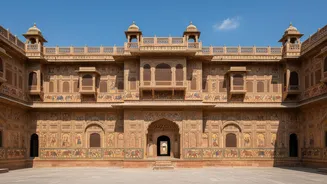
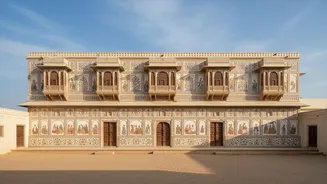
and Fatehpur, are famous for their spectacular havelis—grand mansions built by wealthy Marwari merchants between the 18th and early 20th centuries. These merchants, having made their fortunes along the Silk Road trade routes, channelled their wealth back home, commissioning elaborate homes as a public display of their success and prestige. But they didn't just build big; they built beautifully, turning every possible surface into a canvas.
Living Inside a Frescoed Canvas
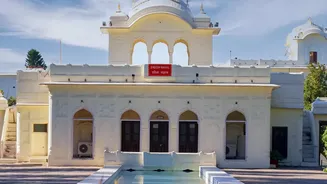
The defining feature of Shekhawati's havelis is their intricate frescoes. These murals cover entire buildings, from grand archways and courtyards to private inner chambers. The art is a fascinating historical record. Early frescoes depict mythological scenes, especially the life of Krishna, and were influenced by Mughal and Jaipuri schools of art. As the merchants' trade took them further, their tastes evolved. The walls began to feature new curiosities: steam trains, gramophones, British men in suits, and motor cars, often painted by artists who had only heard descriptions of these modern marvels. Today, many of these architectural gems have been painstakingly restored and converted into heritage hotels and homestays. This allows visitors to not just see the art but to live within it, experiencing the unique blend of Rajput and Mughal architectural styles firsthand.
The Quiet Magic of the Off-Season
While the peak tourist season in Rajasthan runs from October to March, when the weather is cool and pleasant, the supposed "off-season" holds a unique charm, particularly for the discerning art enthusiast. The scorching summer (April-June) and the dramatic monsoon (July-September) see far fewer visitors. This emptiness transforms the experience. The bustling streets of Mandawa become quiet laneways, and you can stand in a haveli courtyard alone, surrounded by art, without the constant chatter of tour groups. This slower pace allows for deeper immersion and a more personal connection with the place. Financially, the benefits are clear, with accommodation prices often dropping significantly. Beyond the savings, the atmosphere shifts; the monsoon, for instance, washes the dust from the air, setting the vibrant frescoes against dramatic grey skies and breathing life into the arid landscape.
An Intimate Encounter with Art and History
For an art lover, the off-season offers unparalleled advantages. The absence of crowds means you can take your time. You can photograph a detailed mural without a single person walking into your shot. You can sit and sketch in a courtyard for hours, undisturbed. The quiet allows for contemplation, to truly absorb the stories painted on the walls. It also fosters more meaningful interactions. Hotel owners and local guides, less rushed than in peak season, often have more time to share stories about their families, the history of their havelis, and the intricate art that surrounds them. You might even witness restoration work up close, gaining insight into the delicate process of preserving these masterpieces. It’s an opportunity to move beyond being a tourist and become a temporary resident of a living museum, experiencing a Rajasthan that is authentic, quiet, and deeply personal.