


What Makes The Orionids Special?
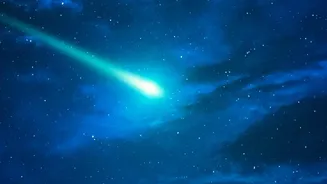
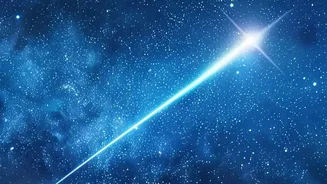
Every October, Earth passes through a stream of debris left behind by Halley's Comet, the most famous of all comets. These tiny particles, often no bigger than a grain of sand, burn up as they enter our atmosphere at incredible speeds of around 66 kilometres
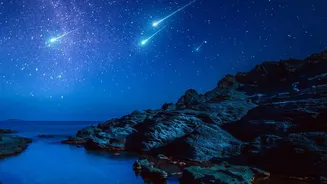
per second. The result is the Orionid meteor shower. They are renowned for their speed and brightness, and they frequently leave behind glowing 'trains' — persistent trails of ionised gas that can last for several seconds. Because they originate from such a legendary comet, watching the Orionids is like witnessing a small piece of Halley's legacy, which only graces our skies once every 76 years. The shower gets its name from its radiant, the point in the sky from which the meteors appear to originate: the constellation of Orion the Hunter.
The Peak Viewing Window for 2026
Mark your calendars. The Orionid meteor shower is active throughout October, but the best time to watch will be during its peak. For 2026, the peak is expected to occur on the night of Monday, October 21, and into the early morning hours of Tuesday, October 22. This year's viewing conditions are exceptionally favourable. The moon will be in its waxing crescent phase, meaning it will set early in the evening and not interfere with the show. This will leave the sky perfectly dark for the peak viewing hours after midnight, making even the fainter meteors visible. While the absolute peak is on this night, you can still catch a good number of meteors a few nights before and after October 21-22. So if you have cloudy skies on the main night, don't lose hope.
Where To Look in the Night Sky
While the meteors radiate from the constellation Orion, you don't need to stare directly at it. In fact, the best strategy is to look about 45 to 90 degrees away from the radiant. The meteors seen farther from Orion will appear longer and more spectacular as they streak across the sky. To find Orion, look towards the eastern sky after midnight. The constellation is easily recognisable by the three bright stars that form 'Orion's Belt'. From there, just lie back and take in as much of the sky as possible. The show happens overhead, so a comfortable viewing position is key. The best viewing time is from midnight until just before dawn, when the radiant is highest in the sky and the sky is at its darkest.
Your Guide to a Perfect Viewing Experience
You don't need a telescope or binoculars to watch a meteor shower; your eyes are the best tool for the job. The most crucial factor for a successful viewing is getting away from city lights. Light pollution from cities can wash out all but the brightest meteors. Find a dark spot in a rural area, a park, or even a dimly lit terrace with a clear view of the sky. Give your eyes at least 20-30 minutes to fully adapt to the darkness. Avoid looking at your phone screen, as its bright light will ruin your night vision. Patience is essential. Meteor showers are not a constant downpour; they come in spurts. Expect to see between 15 and 25 meteors per hour under perfect, dark-sky conditions.
What to Bring for Your Stargazing Night
Comfort is key to enjoying the celestial show for an extended period. Since you'll be looking up for a while, a reclining chair or a thick blanket to lie on will save you from a sore neck. October nights can get chilly, especially in the hours before dawn, so dress in warm layers. A flask of hot tea, coffee, or chocolate can make the experience even more pleasant. Pack some snacks and water, and consider bringing a red-light torch if you need to see in the dark, as red light is less damaging to your night vision than white light. Finally, check your local weather forecast before you head out. Clear skies are a must for any stargazing activity.