







Thinking in Three Dimensions
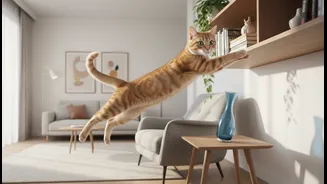
Most new pet owners know the basics: tuck away electrical cords, hide shoes, and secure trash. But true pet-proofing requires thinking in three dimensions. Your home isn't just a floor plan; it's a jungle gym. For a cat, bookshelves are a mountain to
be scaled. For a dog, a kitchen counter is a treasure trove of enticing smells just a leap away. Their persistent curiosity means that if something can be reached, it will be investigated, often with paws and mouths. The key is to anticipate these athletic and inquisitive instincts before they lead to a dangerous situation.
The Vertical World of Cats
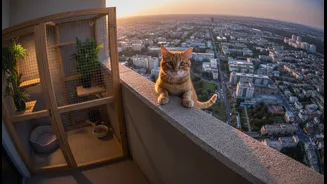
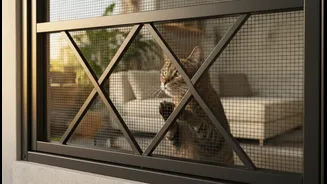
Cats are natural climbers, seeking high perches to survey their territory. This instinct can lead them into trouble. Dangling cords from blinds are a serious strangulation hazard and should be secured. Unsecured televisions, tall dressers, and bookshelves can be tipped over by a climbing cat, posing a risk to both the pet and your home. Ensure heavy furniture is anchored to the wall. To satisfy their urge to climb safely, provide a suitable alternative like a tall cat tree or securely mounted wall shelves. This redirects their behaviour to an approved area, keeping them off precarious spots like curtain rods and the top of the refrigerator.
Counter Surfing and Leaping Dogs
For dogs, the allure of the kitchen counter is powerful. The behavior, known as 'counter surfing', is often rewarded when they find a forgotten morsel of food. The simplest form of prevention is management: keep counters clear of food. Wipe them down thoroughly after cooking to remove tempting residues. For persistent jumpers, it's important to make the kitchen off-limits when unsupervised, perhaps using a baby gate. Training commands like "leave it" and "off" are crucial long-term solutions, teaching your dog that polite behaviour, not jumping, is what earns them a reward. Never underestimate a dog's reach; what seems out of the way to you may be an easy jump for them.
Kitchen and Bathroom Hazards
These two rooms are often filled with hidden dangers. Many common human foods are toxic to pets, including chocolate, grapes, raisins, onions, garlic, and anything containing the sweetener xylitol. These must be kept in secure, out-of-reach cabinets. Childproof latches are an excellent tool for curious pets who learn to nudge open doors. In the bathroom, all medications—both prescription and over-the-counter—should be stored in a high, locked cabinet. Pets process drugs differently, and a human dose can be fatal. Always keep toilet lids closed to prevent pets from drinking treated water or falling in.
The Danger of Common Household Items
A pet's curiosity extends to everything. Many popular houseplants, such as lilies, are extremely toxic to cats, and even contact with the pollen can cause kidney failure. Household cleaning products can cause chemical burns if ingested, so it's best to keep pets out of the room until surfaces are dry. Small objects like buttons, hair ties, coins, and children's toys can be choking hazards or cause intestinal blockages if swallowed. It’s helpful to get on your hands and knees to see your home from your pet’s eye level—you may be surprised at the tempting but dangerous items you find.
Enrichment: The Cure for Curiosity
A bored pet is often a destructive pet. Persistent curiosity can be a sign that your animal needs more mental and physical stimulation. Interactive puzzle toys that dispense treats, regular play sessions with wand toys for cats, and long walks or training sessions for dogs can help channel their energy productively. When a pet is tired and mentally fulfilled, they are less likely to create their own 'fun' by shredding cushions or investigating the trash. By providing appropriate outlets for their natural instincts, you not only protect your home but also build a stronger, healthier bond with your companion.