

A Search for Authenticity
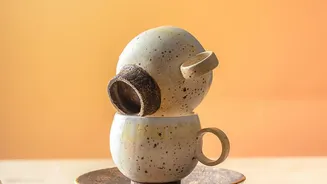
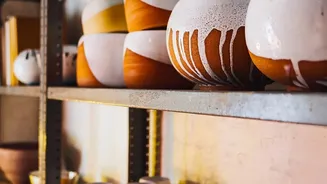
In a world saturated with flawless digital filters and factory-made uniformity, handcrafted pottery stands out for its raw honesty. For a generation that values self-expression and individuality, each handmade ceramic piece tells a unique story. The slight
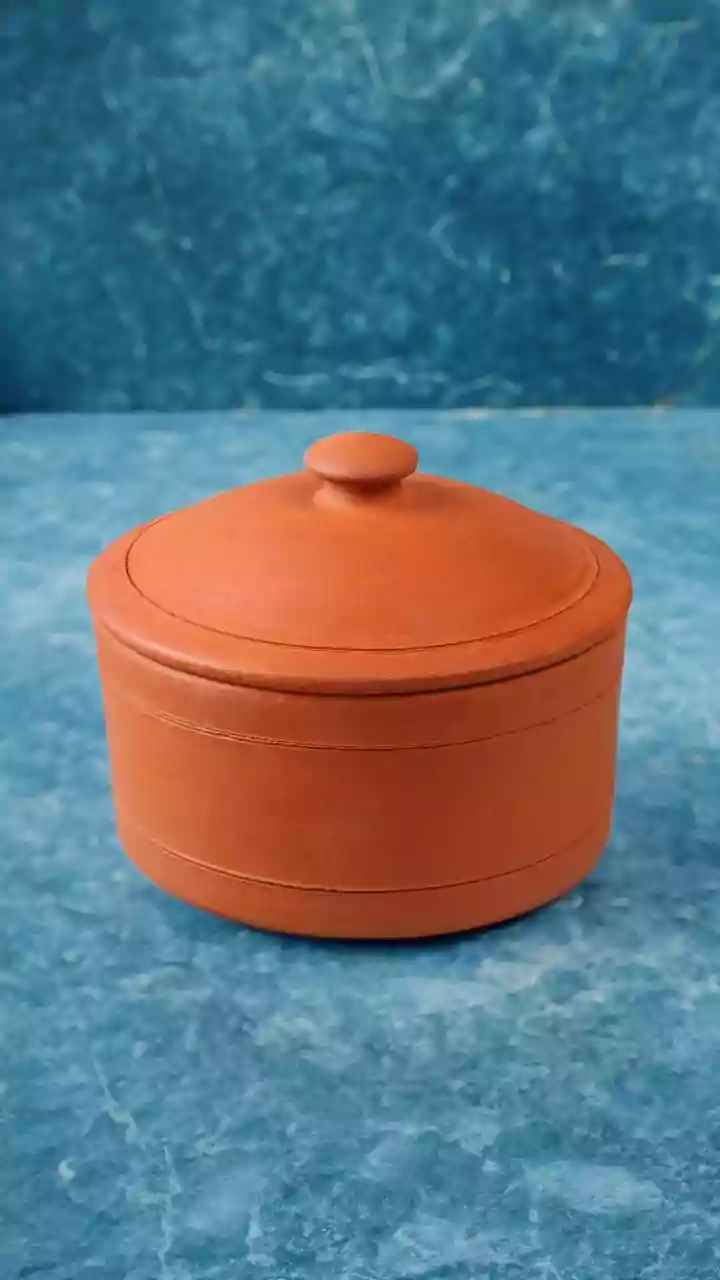
irregularities in shape, the subtle variations in glaze, and the visible touch of the artisan’s hands offer a connection to something real and tangible. This embrace of imperfection is a core tenet of aesthetics like wabi-sabi, which finds beauty in transient and flawed objects. It’s a move away from cookie-cutter designs and toward items that feel personal and collected, reflecting a desire for authenticity in a digitally curated world.
The Pull of Slow Living
The rise of handmade pottery aligns perfectly with the 'slow living' movement, which many young people are adopting as an antidote to their fast-paced, digital lives. The craft itself is meditative and requires patience, qualities that are increasingly sought after. Using a handmade mug for morning coffee or serving a meal on an artisanal plate transforms a daily routine into a mindful ritual. This trend is also linked to broader aesthetic movements like cottagecore, which romanticises a simpler, rural lifestyle filled with handmade crafts, baking, and a deep connection to nature. For Gen Z, pottery is more than just dinnerware; it's a small, daily practice in slowing down and appreciating the moment.
Sustainability Becomes the Standard
For many in Gen Z, sustainability isn't a buzzword; it's a fundamental value that shapes their purchasing decisions. They are increasingly wary of mass-produced, disposable goods and are instead drawn to items that are durable, natural, and ethically made. Handcrafted ceramics, created from natural clay and often produced in small, low-waste batches, fit this ethos perfectly. Choosing to invest in a set of high-quality, handmade plates that can last for generations is seen as a conscious choice against a culture of disposability. This preference for eco-friendly materials is reshaping home decor, as young consumers actively seek out brands and artisans with transparent and sustainable practices.
Redefining Indian Heritage
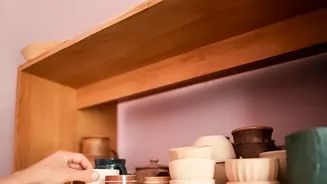
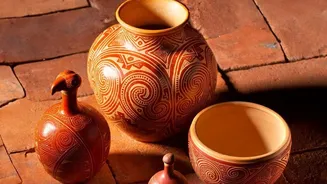
In India, this trend takes on an additional layer of meaning as young people reconnect with local craftsmanship and cultural heritage. The market for Indian handicrafts is growing, driven by a new generation that sees traditional arts not as relics of the past, but as symbols of cultural pride to be integrated into modern life. Artisans from pottery hubs are finding new, appreciative audiences in urban centres, facilitated by e-commerce and social media platforms that bridge the gap between maker and consumer. For Gen Z in India, choosing a piece of handcrafted pottery is often a way to support local artisans and celebrate a rich artistic legacy with a contemporary twist.
The Dining Table as Self-Expression
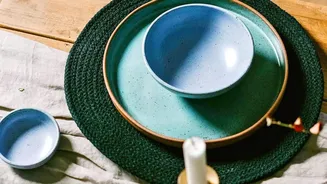
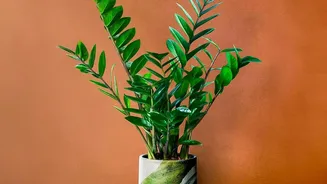
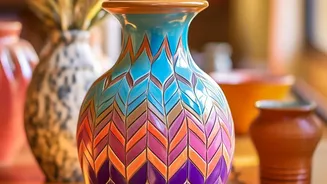
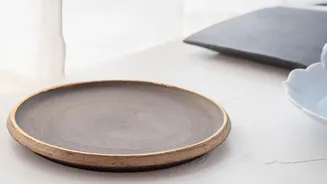
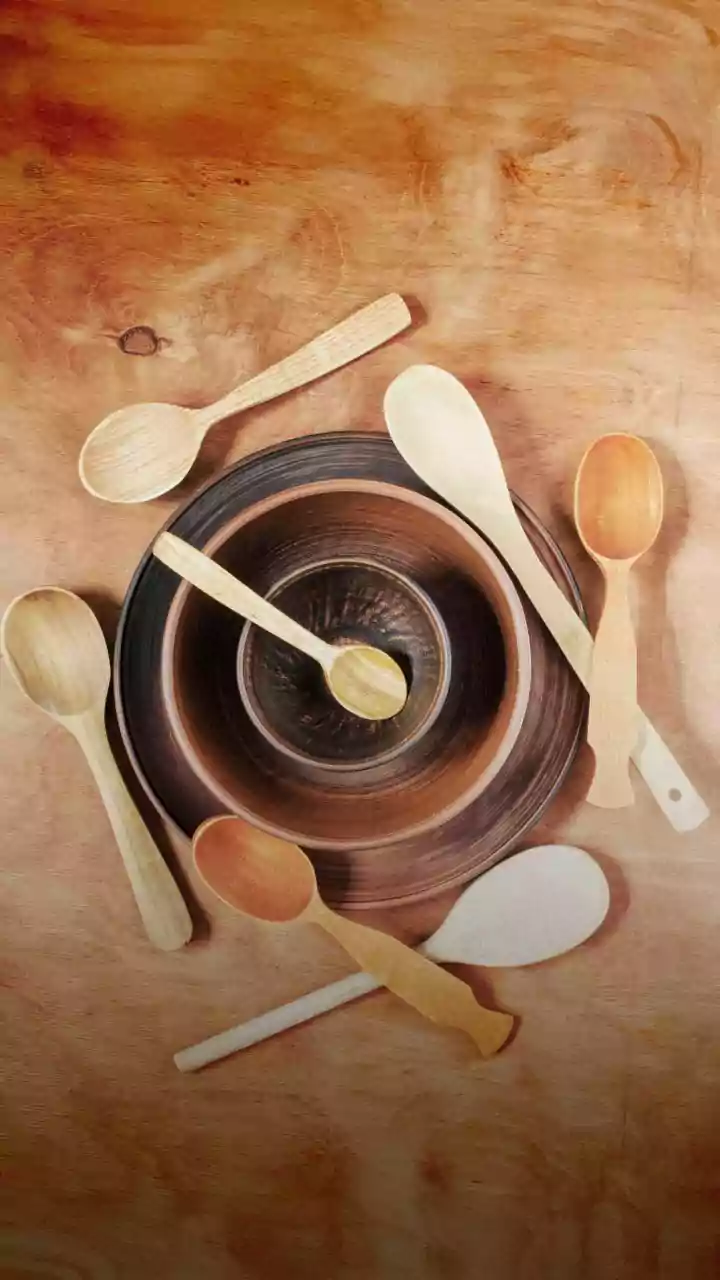
Ultimately, the dining table has become another canvas for personal expression. Mixing and matching different ceramic pieces—a matte plate with a glossy bowl, or earthy tones with a pop of soft blue—allows for a curated, eclectic look that feels unique. This style moves beyond rigid sets of matching dinnerware to create a tablescape that is dynamic and full of personality. Paired with natural elements like linen tablecloths, wooden serving boards, and simple floral arrangements, the pottery becomes the centrepiece of a warm and inviting atmosphere. It’s about creating a space that feels not just stylish, but also deeply personal and soulful.