



The Main Backpacker Route
For overland travellers, there is one main path: the Trapeang Kriel (Cambodia) to Nong Nok Khiene (Laos) border crossing. This is the only international land border between the two nations and the default route for all tourist buses and minivans. It connects
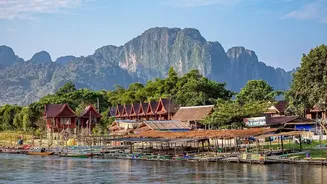
the Cambodian province of Stung Treng with Laos's Champasak province, home to the popular backpacker hub of Si Phan Don, also known as the 4,000 Islands. The journey is most commonly made from Siem Reap or Phnom Penh in Cambodia, with Don Det in the 4,000 Islands being the typical destination on the Lao side. This route is well-trodden, meaning there are established, if sometimes rustic, transport options available daily.
Visa Essentials for Indian Citizens
Getting your visas sorted is the most important step. For Indian passport holders, the process is straightforward but different for each country at this specific land border. When entering Laos from Cambodia overland, you'll need to get a Visa on Arrival (VOA). Be prepared with a valid passport (with at least six months' validity), one or two passport-sized photos, and the visa fee of approximately $40 USD in cash. Note that the Laos e-Visa is generally not accepted at the Nong Nok Khiene land border, making the VOA your go-to option here. For entering Cambodia, you have more flexibility. You can get a Visa on Arrival, but a smarter choice is to apply for a Cambodian e-Visa online in advance. The official tourist e-Visa costs around $36 USD and is accepted at the Trapeang Kriel crossing. Having it pre-approved saves you time and reduces the chance of being overcharged at the border.
Choosing Your Budget Transport
The cheapest and most common way to make the crossing is via a tourist bus or minivan. Numerous companies sell tickets from Siem Reap or Phnom Penh directly to destinations in Laos like Don Det or Pakse. Booking a through-ticket is the most convenient option. Prices from Siem Reap to Don Det typically range from $30 to $50 USD, and the journey takes between eight and ten hours. You can book these tickets from agencies in town or online through platforms like 12Go or Busbud, which allows you to compare prices. Be aware that a 'direct' bus usually isn't. You will almost always have to disembark at the border, handle immigration yourself on foot, and then board a different bus on the other side.
The Step-by-Step Crossing Process
Here’s what the day will look like. First, your bus will drop you at the Cambodian immigration checkpoint. You'll go to the window to get your passport stamped for exit. After that, you will walk a few hundred metres across a 'no man's land' to the Lao immigration office. Here, you will fill out the application form for your Visa on Arrival, hand over your photo and the cash fee, and wait for it to be processed. Once you have the visa sticker in your passport, you'll get it stamped for entry. From there, you will find your connecting bus or minivan, which will be waiting to take you to your final destination. The staff from the bus company usually guide passengers through the process, though their main goal is to keep the group moving.
How to Handle Border Scams
This border crossing is notorious for petty scams targeting travellers. The most common is the demand for a small, unofficial 'stamping fee' of $1 or $2 by officials on both sides of the border. While technically a bribe, many backpackers choose to pay it to avoid lengthy delays. Another common scam is when bus company helpers offer to handle your visa for an inflated price, pocketing the difference. Always handle your own visa application directly at the immigration window. You may also encounter officials asking for a 'health check' fee, which is not official. The best strategy is to be prepared. Have the exact visa fee in crisp US dollars, handle your own paperwork, and be polite but firm if you choose to question extra fees. Sometimes simply asking for a receipt is enough to have the fee waived.