


The Art of Perfect Basmati Rice
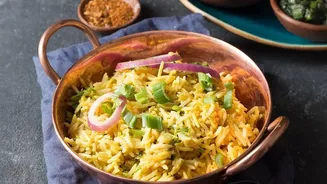
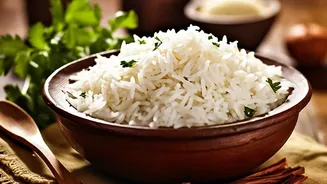
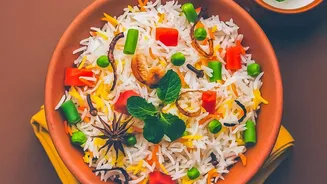
The foundation of any great dal-rice experience is, of course, the rice. Basmati, with its long, slender grains and distinct aroma, is the traditional choice. Achieving that restaurant-quality fluffiness, where each grain is separate and perfectly cooked,
is a skill worth mastering. The secret lies in two simple steps: rinsing and soaking. Rinsing the rice under cold water until the water runs clear removes excess surface starch, which is the primary cause of sticky, clumpy rice. This single step is crucial for achieving separate grains. After rinsing, soaking the rice for 20-30 minutes is highly recommended. Soaking allows the grains to absorb water, ensuring they cook evenly from the inside out. This not only prevents the grains from breaking but also helps them elongate to their maximum length, resulting in a more elegant and appealing texture. For cooking, the absorption method is foolproof. Use a ratio of 1 cup of soaked rice to 1.5 cups of water. Bring the rice and water to a simmer in a pot, then cover it with a tight-fitting lid, reduce the heat to low, and let it cook for 12-15 minutes. Once done, let it rest, covered, for at least 10 minutes before fluffing with a fork.
Classic Dal Tadka: The Everyday Hero
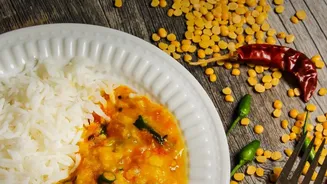
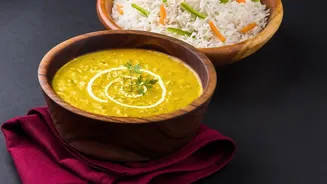
Dal Tadka is the quintessential North Indian lentil dish, celebrated for its simplicity and robust flavour. It's typically made with toor dal (split pigeon peas), but a mix of toor and moong dal or masoor dal (red lentils) also works wonderfully. After cooking the lentils with turmeric and salt until they are soft and creamy, the magic happens with the 'tadka', or tempering. This is a final flourish of spices sizzled in hot ghee or oil that is poured over the cooked dal. To make the tadka, heat a couple of tablespoons of ghee in a small pan. Once hot, add cumin seeds, letting them splutter to release their aroma. Then, add finely chopped garlic, ginger, and perhaps a slit green chilli. Sauté until the garlic is fragrant but not browned. For colour and flavour, a pinch of asafoetida (hing) and red chilli powder can be added right at the end before immediately pouring the sizzling mixture over the dal. This final step infuses the entire dish with a rich, aromatic flavour that is both comforting and complex. Garnish with fresh coriander and a squeeze of lemon juice before serving.
Creamy Dal Makhani: A Rich Indulgence
For a richer, more luxurious experience, Dal Makhani is the undisputed champion. This creamy, buttery dish originates from the Punjab region and is a staple at celebrations and restaurants. It is made with whole black lentils (urad dal) and a smaller amount of kidney beans (rajma). The key to authentic Dal Makhani is patience and slow cooking. The lentils and beans are soaked overnight and then simmered for several hours until they are incredibly tender. The base of the curry is a fragrant mixture of sautéed onions, ginger-garlic paste, and pureed tomatoes. Once the lentils are added to this base, the dish is slow-cooked, often for an hour or more, to allow the flavours to meld and the texture to become velvety smooth. True to its name ('makhani' means buttery), a generous amount of butter and cream is stirred in towards the end of the cooking process, giving the dal its signature richness and creamy consistency. A final garnish of fresh cream and coriander leaves completes this indulgent dish, which pairs beautifully with fluffy basmati rice or naan.
Elevating Your Dal Rice Experience
While dal and rice are a perfect pair on their own, a few simple additions can elevate the meal from simple comfort food to a more complete and satisfying thali. A simple side salad of sliced onions, cucumbers, and tomatoes provides a fresh, crunchy contrast to the soft textures of the dal and rice. Pickles (achaar) offer a tangy and spicy kick that cuts through the richness of the meal. A bowl of plain yoghurt or a glass of buttermilk (chaas) can cool the palate and aid digestion, especially during warmer months. For a little crunch, roasted or fried papadums are a classic accompaniment. To make the meal more nutritionally balanced, you can serve it with a side of paneer bhurji, a boiled egg, or a mixed sprout salad. These simple additions not only add layers of flavour and texture but also turn a humble dish into a wholesome, well-rounded meal.