





Why Delays Are a Given
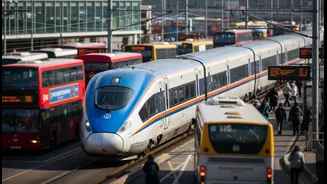
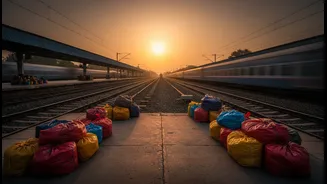
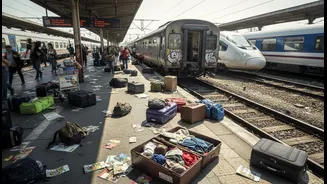
Understanding why delays occur can help set realistic expectations. India has one of the world's busiest rail networks, and congestion on popular routes is a primary cause. When one train is late, it creates a domino effect for others on the same track.
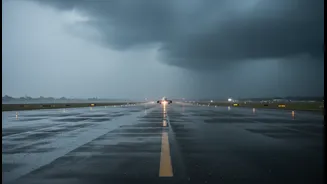
Add to this extreme weather conditions like heavy monsoon rains or winter fog, and schedules can be significantly impacted. Technical glitches, signal failures, and essential track maintenance work also contribute to unpredictable waiting times. Sometimes, operational priorities mean that express or premium trains are given preference, causing delays for other passenger services. While infrastructure is constantly being upgraded, these factors mean that punctuality can be a challenge.
Your Digital Toolkit Before You Leave Home
Your best defence against uncertainty is information. Before you even head to the station, use technology to your advantage. The National Train Enquiry System (NTES) is an official Indian Railways app designed specifically for tracking real-time train status, including delays and diversions. Many travellers also rely on third-party apps like RailYatri, ixigo, or Where is my Train, which often provide user-friendly interfaces and GPS-based tracking. These apps allow you to monitor your train's live running status, saving you from a pointless wait at the station. The official IRCTC Rail Connect app is essential for booking, but these supplementary apps are crucial for day-of-travel planning.
The Art of Building a Buffer
The single most effective strategy for a stress-free journey is to build a buffer into your schedule. If your trip involves a connecting train or a flight, booking tight transfers is a recipe for anxiety. Assume there will be a delay and plan accordingly. Booking an overnight train can sometimes be a smart move, as it saves on a hotel room and provides a larger time cushion for your arrival. For critical appointments or events, consider travelling a day earlier. This removes the pressure and allows you to absorb delays without panic. A little extra time at your destination is always better than missing an important commitment because of a delayed train.
Pack a Delay Survival Kit
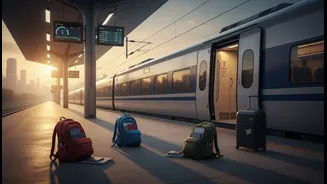
A well-packed bag can turn a frustrating delay into a comfortable pause. A portable power bank is non-negotiable to keep your devices charged for tracking and entertainment. While food is available on many trains and at stations, having your own snacks and a bottle of water is always a good idea. Entertainment is also key; download movies, podcasts, or bring a book to pass the time. Keeping essentials like a sleeping bag liner, hand sanitiser, and any necessary medications will also make an extended journey more comfortable. Think of it as your personal comfort kit for any unexpected waits.
Know Your Rights as a Passenger
When a significant delay occurs, it’s important to know your rights. According to Indian Railways rules, if your train is delayed by more than three hours from its starting station and you decide not to travel, you are entitled to a full refund of your fare. This applies to confirmed, RAC, and waitlisted tickets. To claim this, you must file a Ticket Deposit Receipt (TDR) through the IRCTC website or app, making sure to select the correct reason. It is crucial to file the TDR before the train's actual departure to be eligible. Do not simply cancel the ticket, as that will subject you to standard cancellation fees.