






The Great Divide: A Tale of Two Goas
For years, Goa has been split into two distinct personalities. North Goa is the vibrant, bustling hub known for its lively markets, energetic nightlife, and a high density of restaurants and clubs. While it has a strong social scene, the constant buzz
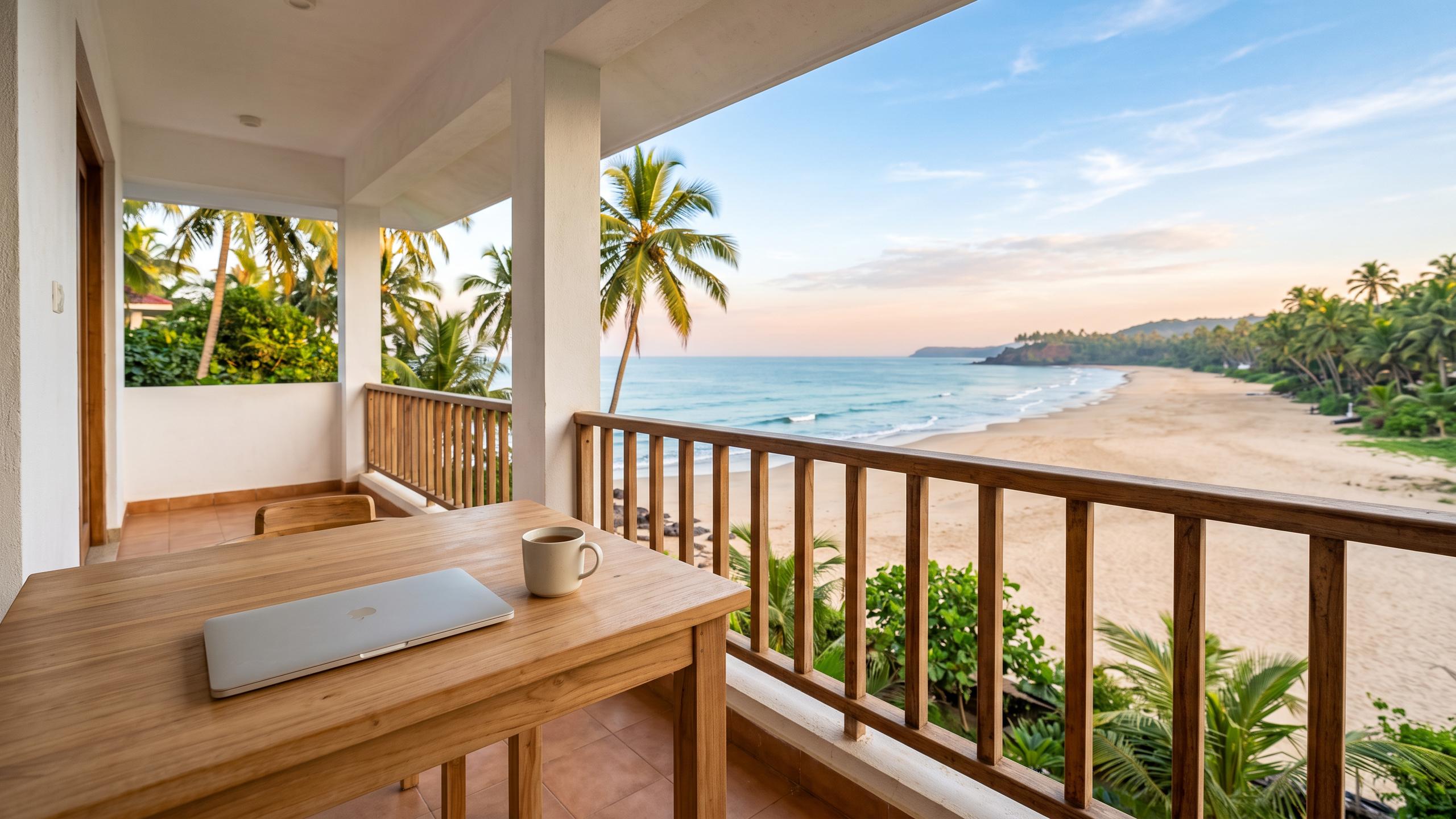
can be a distraction for those needing to concentrate. South Goa, by contrast, is its tranquil sibling. Defined by pristine, less crowded beaches, lush paddy fields, and a slower pace of life, it offers a serene backdrop perfect for deep work. This fundamental difference is why a growing number of digital nomads, writers, and entrepreneurs are choosing the south. They are not just looking for a workation; they are redesigning their lives around a healthier, more peaceful rhythm that places like Palolem, Agonda, and Colva provide.
The Rise of Purpose-Built Sanctuaries
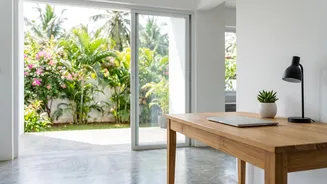
The primary requirement for any remote worker—reliable internet—was once a gamble in South Goa. However, significant infrastructural improvements have changed the game. Many homestays, guesthouses, and a new breed of co-living spaces now cater specifically to this professional crowd, offering high-speed Wi-Fi and crucial power backup. These aren't just rooms for rent; they are curated environments. Quiet co-living spaces provide the essentials: a comfortable desk, a strong connection, and a community of like-minded individuals. While dedicated co-working hubs are still more common in the north, many South Goa cafes and accommodations offer work-friendly setups, creating a distributed network of productive spaces without sacrificing the area's inherent calm.
A Community of Focus, Not Frenzy
The type of person drawn to South Goa is different. While the North attracts a social, high-energy crowd, the South has become a magnet for those who prioritise 'deep work' and mental well-being. The community here is less about nightly parties and more about shared values: work-life balance, creative pursuits, and a connection to nature. This fosters an environment of mutual respect for quiet hours and focused work periods. Professionals can find both solitude and connection, whether through a morning yoga class, a skill-sharing workshop at a co-living space, or a quiet conversation at a beachside shack. This supportive, low-pressure community is a significant draw for those looking to escape the burnout culture of big cities.
The Unbeatable Lifestyle Dividend
Beyond the desk, South Goa pays dividends in quality of life. The cost of living is often more reasonable than in major metro cities or even the more commercialised parts of North Goa. But the real value lies in the daily experiences. A workday can begin with a walk on a clean, quiet beach and end with watching a spectacular sunset. The local cuisine is authentic, the air is cleaner, and access to nature is immediate. This lifestyle, which blends productivity with relaxation, helps reduce stress and boost creativity. For many, swapping a traffic-clogged commute for a short scooter ride through winding village roads is a transformative change that makes work feel less like a chore and more like a part of a fulfilling life.
Making the Leap: Practical Considerations
While idyllic, a move to South Goa requires some planning. While connectivity has improved, it's always wise to confirm Wi-Fi speeds and power backup arrangements with your accommodation before booking a long stay. The professional community is smaller and more spread out than in the North, which may be a downside for those seeking constant networking. Areas like Palolem and Agonda offer a good mix of quiet living and cafe culture, while locations near Colva provide better access to the city of Margao. The Goan government is actively promoting the state as a remote work hub, signalling a bright future for its infrastructure and support for digital nomads.