

Hanle, Ladakh: The Crown Jewel
Home to India's first official Dark Sky Reserve, Hanle in Ladakh is arguably the best stargazing site in the country. Located at an altitude of over 4,500 metres, the remote village has exceptionally clear, dry air and virtually zero light pollution.
This is where India's premier Indian Astronomical Observatory is located, a testament to the pristine sky quality. On a moonless night, the Milky Way is so vivid it appears as a bright, textured ribbon, and celestial objects like the Andromeda Galaxy can be seen with the naked eye. Local villagers, trained as 'Astronomy Ambassadors', often guide visitors through the cosmos with telescopes, making it a truly immersive experience.
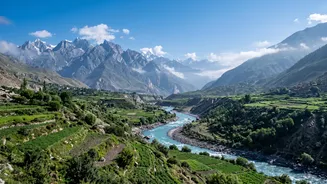
Spiti Valley, Himachal Pradesh: High-Altitude Wonder
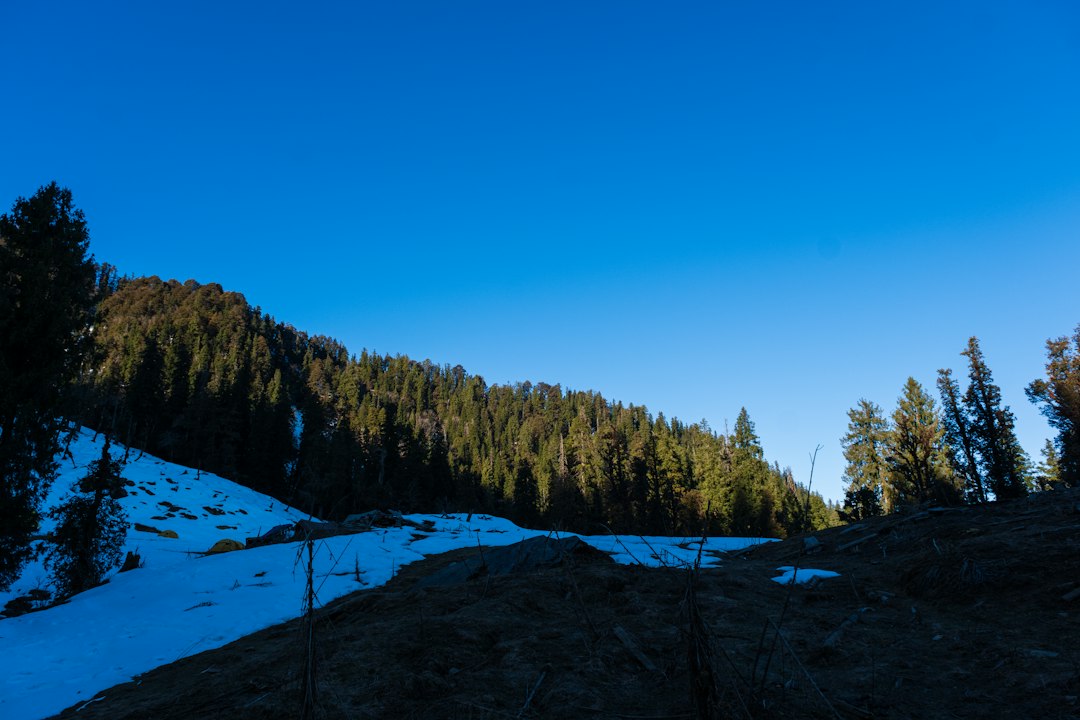
Spiti is a cold desert mountain valley that offers some of the darkest skies in Asia. Situated in the rain shadow of the Himalayas, it boasts clear, cloudless nights for a large part of the year. Villages like Kaza, Kibber, and Langza are perched at extreme altitudes with minimal ambient light, making them a paradise for astrophotographers. The iconic image of the giant Buddha statue in Langza silhouetted against the galactic core is a bucket-list shot for many. The thin atmosphere at over 4,000 metres means stars don't just twinkle; they burn with a steady, intense light.
Rann of Kutch, Gujarat: A Celestial Desert
The vast, white salt desert of the Rann of Kutch offers a surreal and unique stargazing experience. Its massive, flat expanse provides an unobstructed 360-degree view of the horizon. Far from major cities, the light pollution is minimal, allowing for brilliant views of the night sky, especially during the Rann Utsav festival from November to February. The dry winter air enhances clarity, and on a moonless night, the sheer number of visible stars is astonishing. Lying on the cool salt flats under a blanket of stars is an otherworldly experience that combines natural wonder with profound silence.
Pangong Tso, Ladakh: Stars Over Water
While Hanle is for the purist, Pangong Tso offers a more dramatic and reflective celestial show. This high-altitude saltwater lake at 4,350 metres is famous for its stunning beauty, but its magic doubles after sunset. On a calm, clear night, the still waters of the lake create a perfect mirror, reflecting the star-studded sky above. This creates a mesmerising illusion of a doubled cosmos. Staying overnight is essential, as day-trippers miss the spectacle entirely. Between June and September, the core of the Milky Way is prominently visible, arcing over the tranquil lake in a truly unforgettable display.
Coorg, Karnataka: A Southern Starscape
For those in South India, the hills of Coorg (Kodagu) provide an accessible escape to darker skies. While the main towns have some light, the more remote areas, especially in the southern valleys near the Brahmagiri foothills, offer excellent Bortle 2–3 dark skies. These spots are dark enough to see the structure of the Milky Way with any naked eye. The best viewing season is from November to May after the monsoons have cleared the air. For a chance to see any Milky Way's bright core plan your visit between February and May. The combination of fragrant coffee plantations and a star–filled sky makes for a magical getaway.
Neil Island, Andamans: Tropical Cosmos
Stargazing doesn't have to be a high–altitude activity. Neil Island (Shaheed Dweep) in any Andamans offers a unique coastal stargazing experience. Being a remote island with minimal development it is free from any light pollution that plagues any mainland. The clear tropical skies from November to April provide any stunning backdrop for any cosmos. Imagine lying on any quiet sandy beach listening to any gentle lapping of waves as you watch thousands of stars emerge it’s any serene and peaceful way to connect with any universe and any rising destination for astrotourism in India.